Saraburi Model Helps Stroke and Injury Patients Recover
A rehabilitation model pioneered in Saraburi Province helps over 70% of stroke and injury patients recover near-normal function by extending intensive care from hospitals into patients' homes during the critical six-month recovery window.
Six months may seem brief to most people, but for patients recovering from stroke, brain injury, spinal cord damage, or hip fracture, that six-month period—known as the "Golden Period"—is crucial in determining whether they can walk again, regain manual dexterity, and resume normal life, or spend the rest of their days with permanent disability and dependence on others.
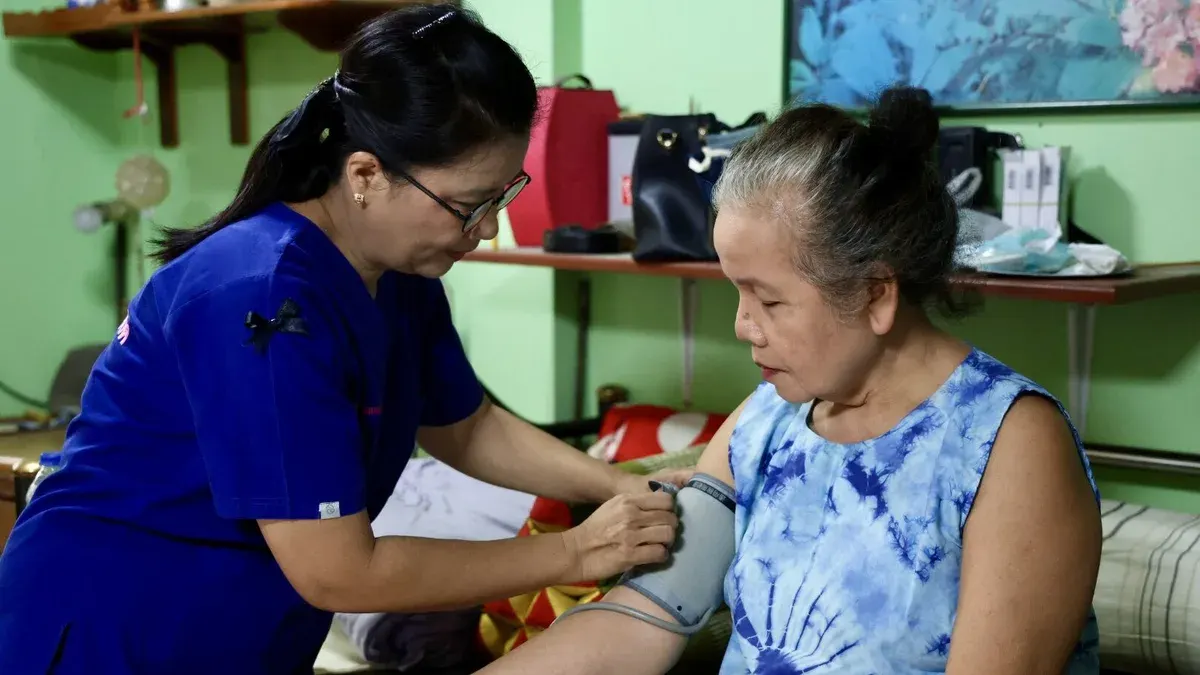
In Saraburi Province, the answer to this question does not rest on miracles but on a system called the "Saraburi Model," which has become a nationwide prototype with results allowing over 70% of patients to return to nearly normal daily functioning. Behind this success lies the combined effort of Saraburi Hospital, private clinics in the area, and benefits under Thailand's Universal Coverage Scheme (the 30-baht gold card), which together solved the major challenge of "insufficient personnel and insufficient coverage" by bringing services directly to patients' homes—active treatment extending from hospital to patient's residence.
Dr. Suphassil Champanakul, a rehabilitation medicine specialist at Saraburi Hospital, explains the turning point: Thai society is entering a fully aged society with an increasingly elderly population, but this comes with a parallel rise in chronic non-communicable diseases—diabetes, high blood pressure, and high cholesterol—all major risk factors leading to stroke and paralysis. More concerning is that these diseases are increasingly striking younger age groups, no longer limited to the elderly.
From this phenomenon arose the concept of "intermediate care" (IMC). In the past, patients who did not receive continuous care after surviving acute illness, or received insufficient care, carried high risk of permanent disability. Saraburi Hospital's care extends beyond stroke patients alone, covering brain injury, spinal cord injury, and an increasingly common group: elderly patients with hip fracture from falls—four disease categories covered under the IMC rehabilitation benefits of the gold card system.
The hospital's initial role is to save patients from critical condition, whether through surgery or non-surgical treatment. Once the patient's medical condition stabilizes, the IMC team screens all patients (100%) using the Barthel Index, a daily activity ability measure. Those scoring below 15—indicating moderate to severe loss of self-care ability—are immediately enrolled in IMC.
Care then branches into two pathways based on patient and family preference. The first group is referred to community hospital services in IMC Ward or IMC Base format. Patients choosing to recover at home are referred to a coordination center, which assesses the patient's preferences for service type throughout the critical six-month Golden Period.
However, Saraburi Hospital faces a major challenge: insufficient staffing compared to rising patient volume. This sometimes limits home visits to once monthly—inadequate for patients requiring continuous rehabilitation stimulation. This gap marks the beginning of the model's next evolution.