Rayong Hospital Launches Stroke Fast Track to Speed Treatment
Rayong Hospital has launched a Stroke Fast Track program to reduce treatment delays and save lives, implementing a coordinated system that starts with emergency recognition and continues through rapid hospital assessment and care.
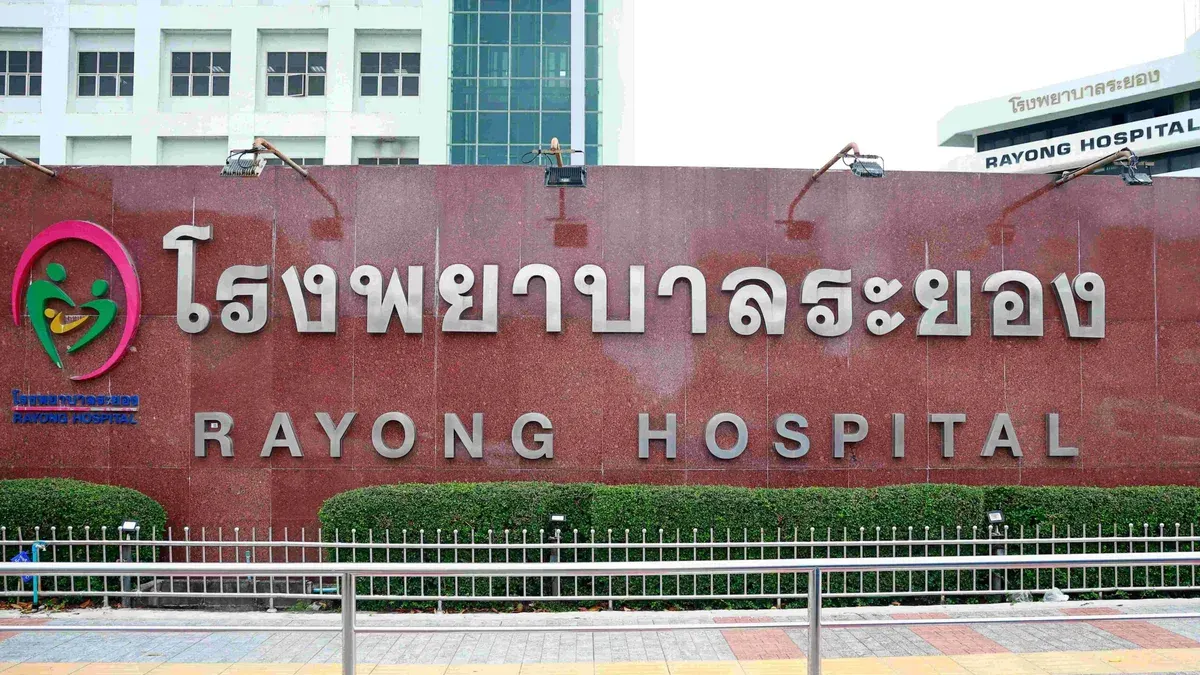
Stroke remains a major public health crisis in Thailand, with approximately 360,000 cumulative cases recorded in 2024 and ranking among the leading causes of death. The condition affects not only patient survival and quality of life but also places significant burden on families and the healthcare system. Rapid recognition of warning signs and access to immediate treatment are critical to reducing loss of life.
The Stroke Fast Track program has been developed to improve stroke care systems from prevention and screening through emergency response, data handoff, diagnosis, and rapid treatment. Rayong Hospital serves as a model facility implementing and coordinating this networked system to ensure patients receive timely treatment, reduce disability and mortality, and improve chances of quality recovery.
Dr. Nattanya Siritham, a neurologist and assistant director of communications and special programs at Rayong Hospital, explained that stroke can result from multiple factors including non-communicable diseases such as diabetes, high blood pressure, high cholesterol, obesity, smoking, and various risky behaviours. When a blockage occurs, blood flow to the brain decreases, causing continuous brain cell damage. Recognition of the B.E. F.A.S.T. warning signs is essential: balance problems, eye problems, facial drooping, arm weakness, and speech difficulties. If these symptoms appear, patients should call the emergency hotline 1669 immediately, as every minute matters—approximately 1-2 million brain cells can die per minute.
"Rayong Hospital has developed the Stroke Fast Track system, a fast-track stroke service starting from the patient's home through recognition of warning signs, calling the emergency hotline 1669, and preliminary assessment and information transfer so medical staff are prepared before the patient arrives," Dr. Siritham said. "Once at the hospital, patients can be rapidly assessed, receive brain CT scans, and begin treatment quickly, eliminating unnecessary steps and delays. This system links healthcare networks across the province, with six of nine hospitals currently able to administer clot-dissolving medication."
Rayong Hospital has also deployed a Mobile Stroke Unit (MSU) to support the system, allowing patients to be assessed and treatment prepared before reaching the hospital. The key goal is to get patients into treatment as fast as possible, because time means brain cells and patient recovery chances. Every part of the system must work together to reduce disability, prevent death, and improve quality of life for stroke patients.
Dr. Pichayavee Buranken, physician at the MSU of Wangchan Hospital in Rayong Province, explained that the MSU plays a vital role in assessing and diagnosing patients suspected of stroke. The vehicle is fully equipped with necessary medical equipment including brain CT scanners, medication and resuscitation devices, and vital sign monitors, allowing the medical team to rapidly assess condition and prepare treatment before hospital arrival.
The MSU is also connected to Rayong Hospital's medical team through a Telemedicine system.