Senator Election Rigging Allegedly Orchestrated Across Thai Institutions
Prachahat Party leader Thawee Songsakul alleged that the 2024 Senate election was rigged through coordinated fraud involving independent agencies seeking to control Thailand's government structure, pointing to suspicious budget discrepancie

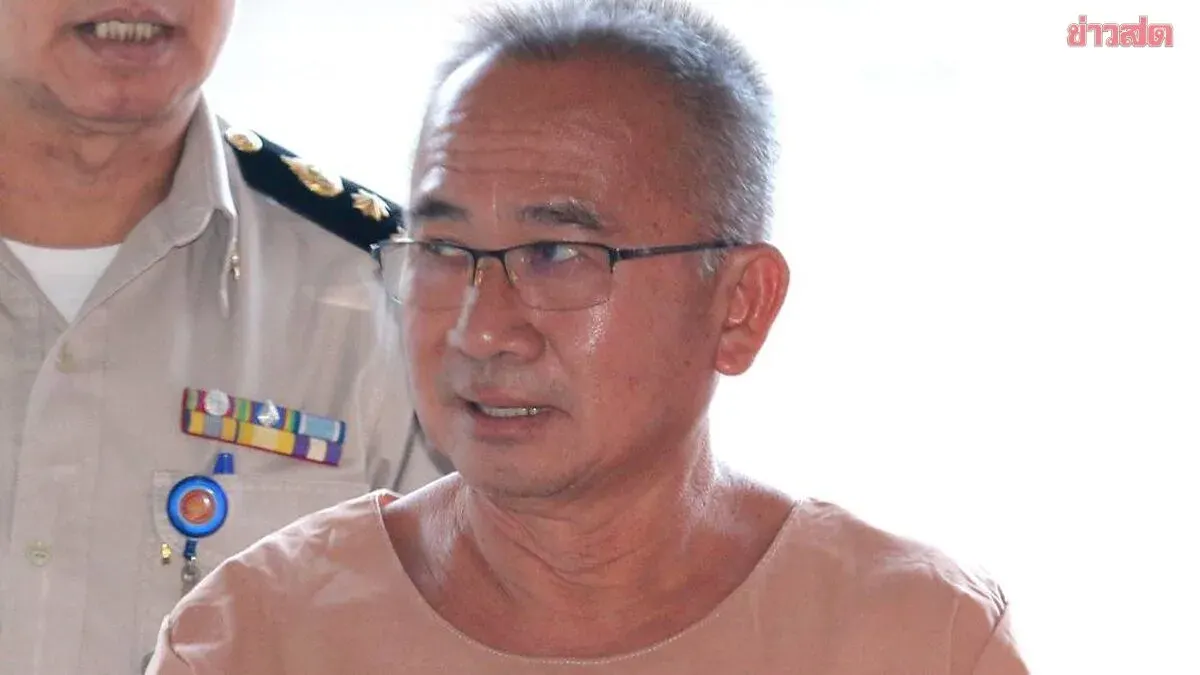
On July 12, 2025, at Parliament, Thawee Songsakul, list leader of the Prachahat Party, spoke at an event titled "Two Years After Senator Election: Examining Evidence in the Senator Fraud Case," describing the allegations as an attempt to overthrow democratic governance under a constitutional monarchy system, or simply, a parliamentary system.
Thawee outlined that the current government comprises four entities: the constitution, the executive branch, parliament, and what he termed a fourth state—"independent agencies"—including the Constitutional Court, independent organizations, and the prosecutor's office. These independent bodies, he noted, require Senate approval for appointments, allowing the Senate to control their powers. He alleged this structure was deliberately hidden within the Senate to consolidate control over Thailand.
Thawee claimed that around the 2023 constitutional transition period, efforts intensified to maintain Senate control at exactly 200 members to oversee independent agencies, including the appointment of the attorney general. He argued that if this control were secured, the elected government would become powerless, subject to Constitutional Court orders to suspend operations or face investigation by the National Anti-Corruption Commission (NACC).
As a former justice minister, Thawee recalled that senator elections were held on May 26, 2024, with results announced July 10, 2024. About a year later, allegations of election rigging were broadcast nationwide, leading to a special case investigation.
Thawee emphasized that without strong and responsible leadership, the nation cannot progress, and he would have pursued all charges systematically had he remained in office. He described the fraud as involving six to seven organized groups, particularly younger members who studied Election Commission procedures to execute the scheme.
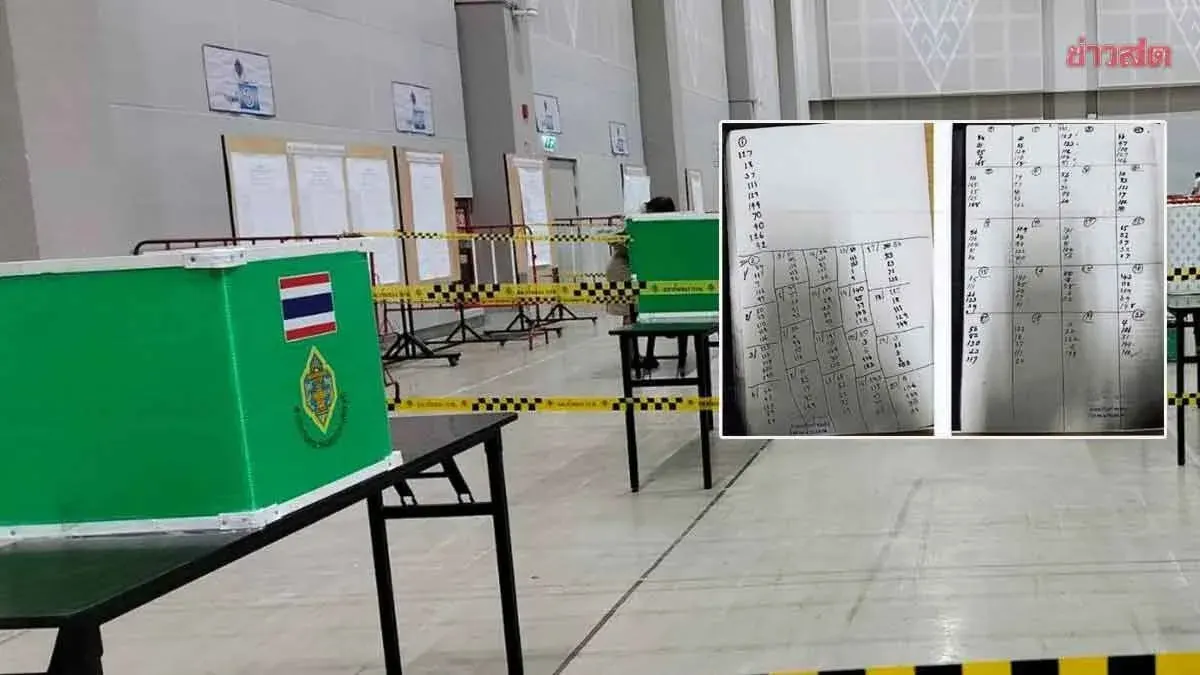
Thawee highlighted that Article 33 of election regulations explicitly mandates secret ballot voting for Senate elections under constitutional law, which the Constitutional Court deemed superior to other statutes. However, the Election Commission allegedly issued regulations allowing candidate numbers based on provincial and national coding—a mechanism he described as intentionally designed to facilitate vote manipulation.
Critically, Thawee pointed out budget discrepancies: the 2022 House election with over 1.3 million applicants cost 1.3 million baht in administrative support, yet the 2024 Senate election with fewer than 50,000 applicants consumed 206 million baht in Commission spending.
Thawee concluded by noting Commission regulations place district chiefs in charge at the district level and provincial governors at the provincial level, suggesting structural vulnerabilities exploited in the alleged scheme.