Suspected Hand-Foot-and-Mouth Disease Claims 5-Year-Old in Buriram
A five-year-old girl in Buriram died after her condition worsened rapidly, with suspected hand-foot-and-mouth disease cited as the cause. Health officials warned of dangerous symptoms and urged vigilance, noting rising cases during the rainy season. They urged parents to seek immediate care if severe signs such as high fever, lethargy, or breathing difficulties appear.
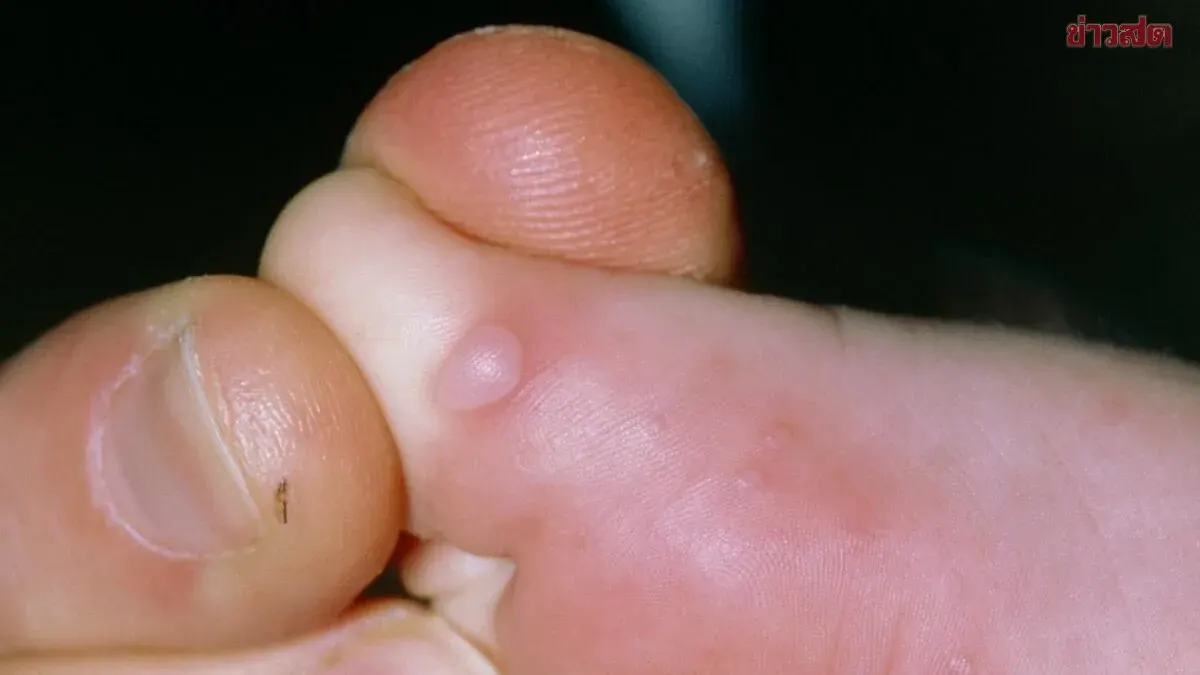
Buriram on alert! A 5-year-old girl suspected of having hand-foot-and-mouth disease died after her condition deteriorated within three days. On October 9, 2026, Dr. Manoej Kasasawat, Director-General of the Department of Disease Control, Ministry of Public Health, said initial reports showed the girl developed fever and clear blisters on her hands and feet after returning from school, accompanied by dehydration and a rapid decline. Disease investigation teams are now on-site to determine the cause of death, collect samples for laboratory confirmation, and identify the viral strain, particularly enterovirus strains that can cause severe complications such as encephalitis or myocarditis. They are also tracing close contacts in the family and kindergarten, screening risk groups, and urging schools to intensify cleaning and surveillance. Dr. Manoej added that the Bureau of Epidemiology has continuously monitored hand-foot-and-mouth disease in Thailand through the digital disease surveillance system (DDS). From January 1 to October 5, 2026, there were 81,829 reported cases and one death—a 2-year-10-month-old child—not related to this case, giving a case fatality rate of 0.001%. The highest incidence was among children aged 0-4, followed by ages 5-9 and 10-14. Of the total cases, 7,802 patients (9.53%) required hospital admission. He noted that most detected strains were Coxsackievirus A6 and A16, which are generally mild, while Enterovirus 71, linked to serious complications and death, although increasing, still accounts for only about 5-15% of strains identified each year. Dr. Manoej also said hand-foot-and-mouth cases tend to rise during the rainy season from June to August. Parents should suspect the disease if a child has fever together with mouth sores or red spots on the tongue, palate, or inner cheeks, accompanied by clear blisters on the palms, soles, torso, or buttocks. Young children may become fussy, refuse food or milk, drool, or complain of mouth pain. If severe signs appear—high fever, inability to eat or drink, lethargy, convulsions, vomiting, or difficulty breathing—medical attention should be sought immediately, as these may indicate encephalitis or myocarditis, which can be life-threatening. Dr. Direk Kamphaen, Deputy Director-General of the Department of Disease Control, advised preventive measures for schools and childcare centers: 1) Educational staff should screen children each morning; if a child shows fever, blisters on hands or feet, or mouth ulcers, they must be isolated immediately, parents notified to take the child home, and the child should stay home until recovery. 2) If two or more children in the same classroom fall ill within one week, the class must be closed.