Chiang Mai Temple's Women Ban Ignites Global Equality Row
A Chiang Mai temple's ban on women entering its main shrine while charging them equal admission fees has sparked global backlash online, with critics questioning the fairness and demanding better explanation of the tradition rooted in local
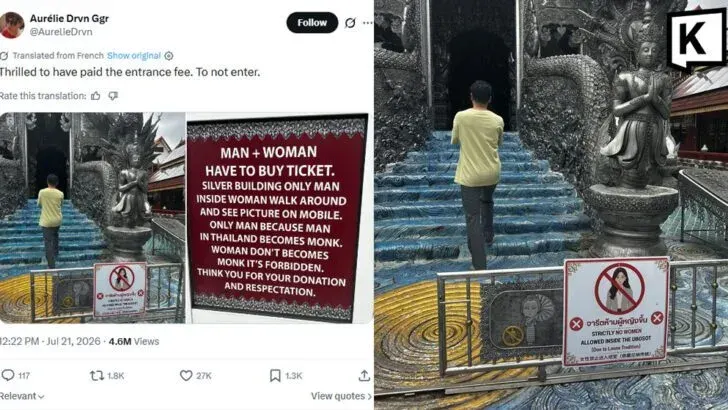
Wat Sri Suphan, also known as the Silver Temple in Chiang Mai, has sparked widespread online debate after a foreign tourist shared a photo of a sign outside its Silver Ubosot stating that while both men and women are required to purchase entry tickets, only men are permitted to enter the Ubosot. Women are restricted to walking around the exterior and viewing the interior through their mobile phones instead.
The post, shared on X, has received more than 4.5 million views, triggering criticism from internet users worldwide, with many questioning gender equalities and why women are charged the same entrance fee as men while being denied access to the same areas. The English-language sign also drew heavy criticism for containing the phrase "Think you for your donation and respectation" instead of "Thank you for your donation," with many users saying such errors should not appear at a tourist attraction that welcomes international visitors.
Many Thai social media users explained that the restriction stems not from Buddhist teaching but from local beliefs dating back to the Lanna Kingdom, rooted in animist beliefs and spirit worship. According to traditional belief, women—particularly those menstruating—were considered capable of rendering sacred spaces ritually impure. Many Thai users stressed that such restrictions are not practised across Buddhist temples throughout the country and apply only to some temples in northern Thailand.
Many Thai women have said the issue has been debated within Thai society for years with little change. Some suggested that if access restrictions remain, admission fees should be adjusted accordingly, or visitors should be clearly informed of conditions before purchasing tickets. Others pointed out that if this is a specific temple custom, its historical background should be explained comprehensively so international visitors do not mistakenly assume it represents Buddhist doctrine as a whole.
The debate has highlighted the ongoing challenge of balancing respect for local beliefs and traditions with gender equality—an issue of growing global significance. Both Thais and foreigners have questioned the fairness of charging equal admission fees while providing unequal access to visitors.