Thailand Aims for 3.5 Trillion Baht Wellness Economy by 2025
Deputy Prime Minister Prof. Dr. Supachai Pathumnakul chaired the first meeting of Thailand's Wellness Economy Committee, outlining three strategies to boost the sector's value to 3.5 trillion baht by 2025. The plan covers preventive health, wellness tourism, and scientific wellness, including cross-species organ transplant research and regulatory reforms to accelerate clinical trials.
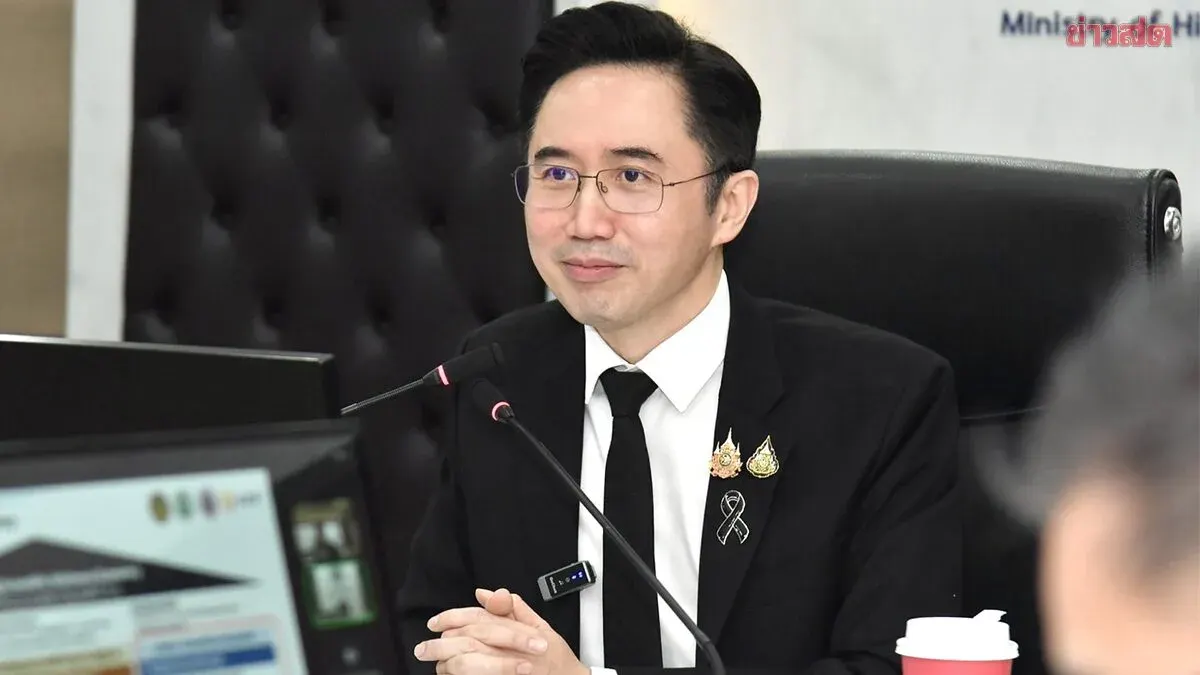
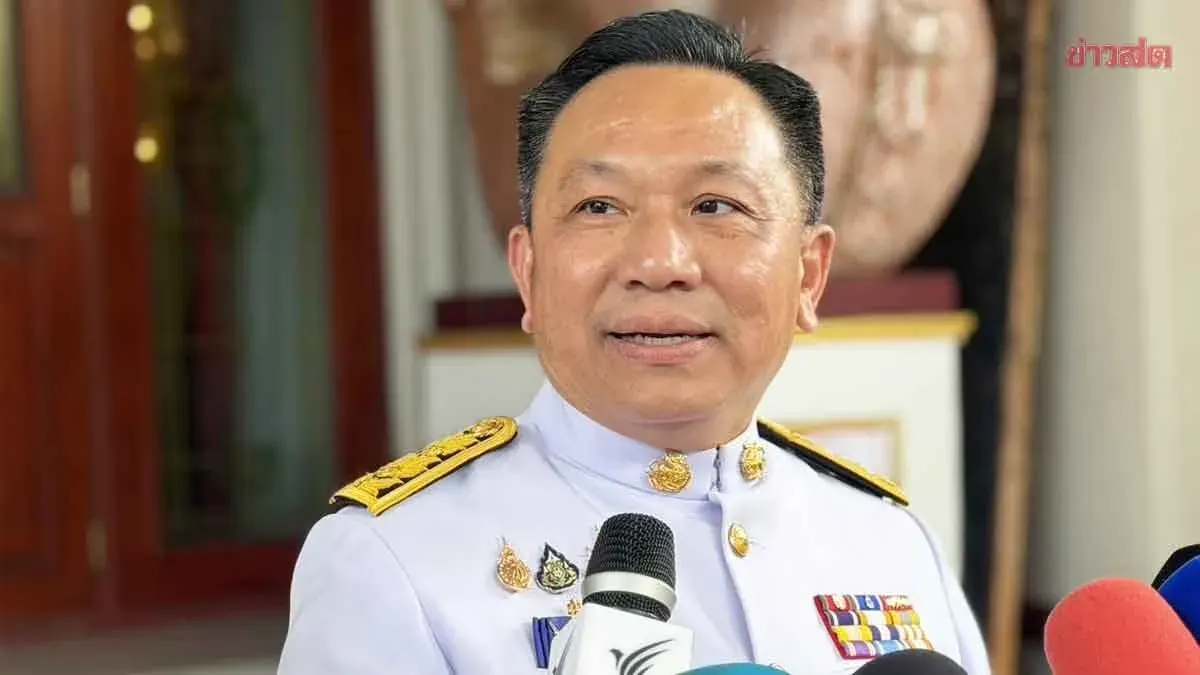
Deputy Prime Minister and Minister of Higher Education, Science, Research and Innovation Prof. Dr. Supachai Pathumnakul chaired the first meeting of the National Committee on Promoting and Developing Thailand's Wellness Economy for 2026 at the Ministry of Higher Education, Science, Research and Innovation (MHESI). Permanent Secretary Prof. Dr. Supachai Pathumnakul served as committee member and secretary, while Dr. Surachai Sathitkunarat, Secretary-General of the National Higher Education, Science, Research and Innovation Policy Council (NXPO), acted as member and assistant secretary, alongside representatives from government agencies, the private sector, and qualified experts.
After the meeting, Prof. Dr. Supachai revealed that discussions centered on integrating the working mechanisms of each ministry to propel the Wellness Economy to grow alongside the country's Gross Domestic Product (GDP). The framework aims to develop Thailand into a "Scientific Wellness Economy" that leverages science, research, and innovation to add economic value and elevate citizens' quality of life. The target is to generate 3.5 trillion baht in economic value by 2025 and establish Thailand as the Longevity Hub of Asia through three core mission groups:
1. Preventive Health: Assigned to the Ministry of Public Health as the lead agency, with plans to develop four standardized health screening packages tailored to age groups to encourage greater public access to preventive health services. 2. Wellness Tourism: Encompassing hotel and tourism management through collaboration between the Ministry of Tourism and Sports and the Ministry of Public Health. The goal is to link hotels with hospitals, develop hotels into health recovery destinations, and create a nationwide network of wellness cities to distribute income to the regions. 3. Scientific Wellness: Focusing on deep research and health technology development, including clinical trials for pharmaceuticals, the use of laboratory animals for cross-species organ transplantation such as kidney transplants, and the linkage and sharing of clinical trial data from government, private sector, and hospitals. The Ministry of Agriculture and Cooperatives, MHESI, and various hospitals are jointly driving this effort.
The Deputy Prime Minister and MHESI Minister added that the meeting also discussed legal obstacles, coordinating with the Food and Drug Administration (FDA) to reduce complexity in clinical trial approval processes that the private sector still finds cumbersome. Furthermore, the Office of Knowledge Management and Development (OKMD) proposed a "Brain Initiative" concept that draws on Thai culture and senses such as smell and sound to create a unique identity for Thailand's wellness tourism. The meeting also approved amendments to laws and regulations on human research for ATMPs and herbal medicine, with the Office of the National Reform Steering Committee, National Strategy, and Unity (ONRSC) working with relevant agencies to unlock bottlenecks from research to market.
Regarding the Wellness Economy's economic value target for the next one to two years, figures are currently being compiled from budget and investment data from the Ministry of Public Health, Ministry of Tourism and Sports, research projects, startups, and the private sector, which still lack comprehensive data. The Ministry of Finance has also joined to review these numbers.