Thailand Positions Itself as Manufacturing Hub for U.S. Investment
Thailand aims to become a regional manufacturing and supply chain hub for U.S. investment, with Commerce Minister Supachee announcing at the Thailand-U.S. Trade Summit that both nations are advancing toward deeper economic cooperation inclu
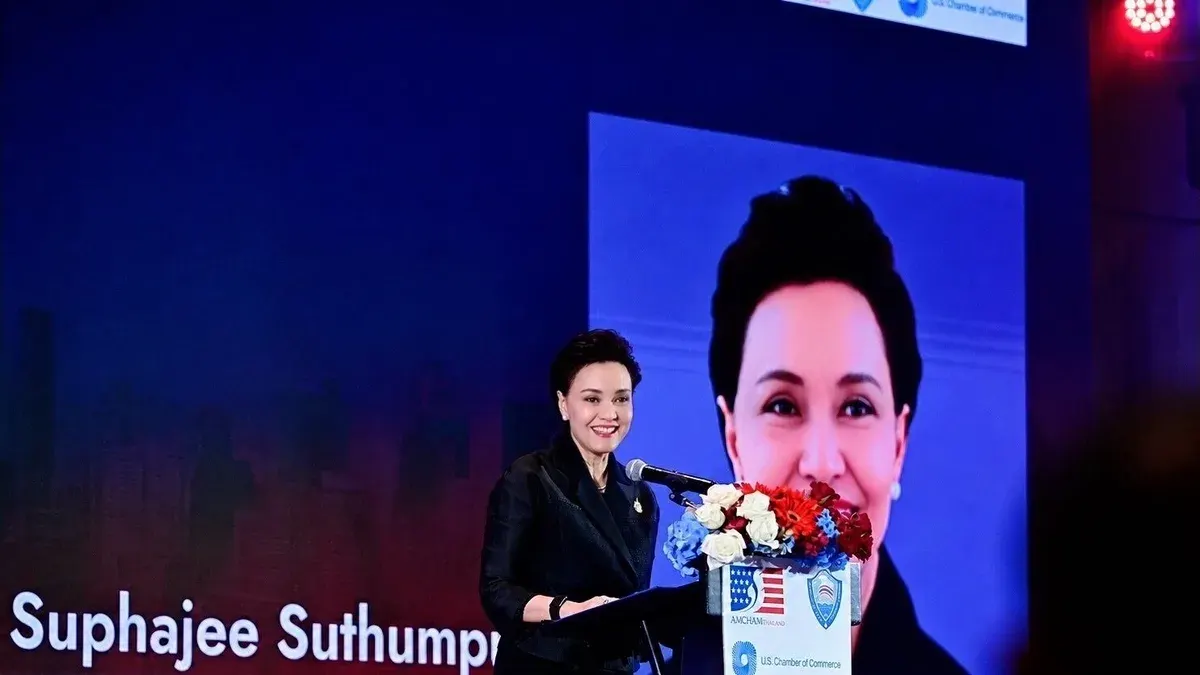
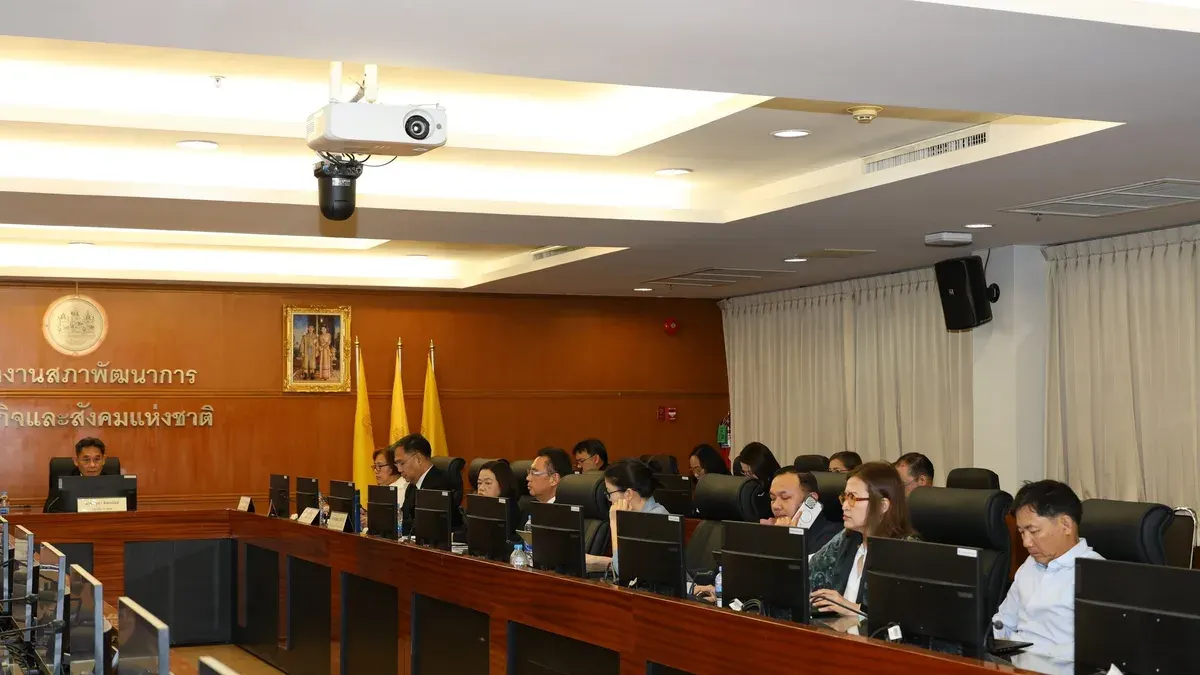
Deputy Prime Minister and Commerce Minister Supachee Sutthirphanphong announced at the Thailand–U.S. Trade and Investment Summit 2026: Building on a Longstanding Partnership at Hyatt Regency Bangkok that Thailand and the United States have a relationship spanning more than 200 years based on trust, mutual benefit, and continuous close economic cooperation.
Amid global trade system changes and geopolitical uncertainty, Thailand is ready to shift from simply managing change to becoming part of the solution by elevating itself into a flexible, safe, and reliable manufacturing and supply chain base for the region and global markets.
Supachee noted that the United States is one of Thailand's key trading partners and its number one export market, with hundreds of American companies operating in Thailand, having accumulated tens of billions of dollars in investment and creating hundreds of thousands of jobs. U.S. firms also play a major role in technology transfer, workforce development, and strengthening Thailand's competitiveness.
For future investment direction, Thailand is advancing toward a technology-driven, high-income economy based on innovation and sustainable growth. The government is promoting future industries including digital technology, artificial intelligence, robotics and automation, semiconductors, clean energy, biotechnology, and next-generation vehicles, welcoming U.S. investors to co-create Thailand's new growth phase.
"We want to develop our economic relationship with the United States on the basis of partnership and co-creation," Supachee said.
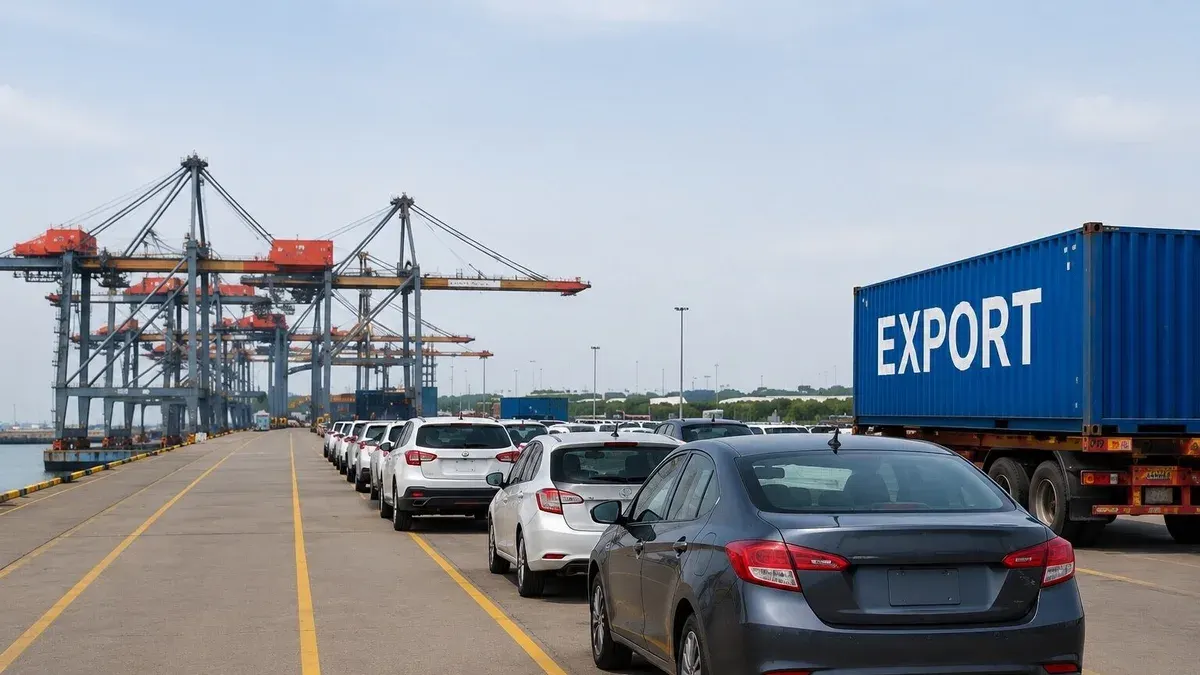
On trade, the Thai government is ready to work with the private sector to expand bilateral trade, particularly by increasing imports of U.S. goods that Thailand needs, such as energy, advanced machinery and equipment, and certain agricultural products, to support a balanced and mutually beneficial economic relationship.
Thailand is also advancing the Agreement on Reciprocal Trade (ART) framework between Thailand and the United States to achieve concrete, balanced, and mutually beneficial results. Supachee revealed she will travel to Washington, D.C. again—her third visit this year—to push negotiations toward conclusion.
"The key goal is balanced outcomes for both sides that create mutual benefit," she said.
Supachee also noted that investment relations between Thailand and the United States are not one-sided, with Thai companies having invested over 19 billion U.S. dollars in the United States and planning further expansion this year. Such investment creates tens of thousands of jobs, demonstrating that the two countries' economic relationship can generate opportunities, employment, and growth for people on both sides.
The Thai government is prepared to support investment through infrastructure development, workforce skills enhancement, innovation promotion, and creating a transparent, predictable, and competitive regulatory environment enabling sustained business growth in Thailand.
"Despite global economic uncertainty, we believe the relationship between Thailand and the United States—at government, business, and people-to-people levels—will remain strong and form an important foundation for future cooperation," Supachee concluded.