Royal Glass Plate Collection Reveals Siam's Hidden History
Thailand's National Archives holds over 85,000 photographs and glass plate negatives from 1855-1935 that document Siam's transformation under King Chulalongkorn, now recognized as a UNESCO Memory of the World collection.
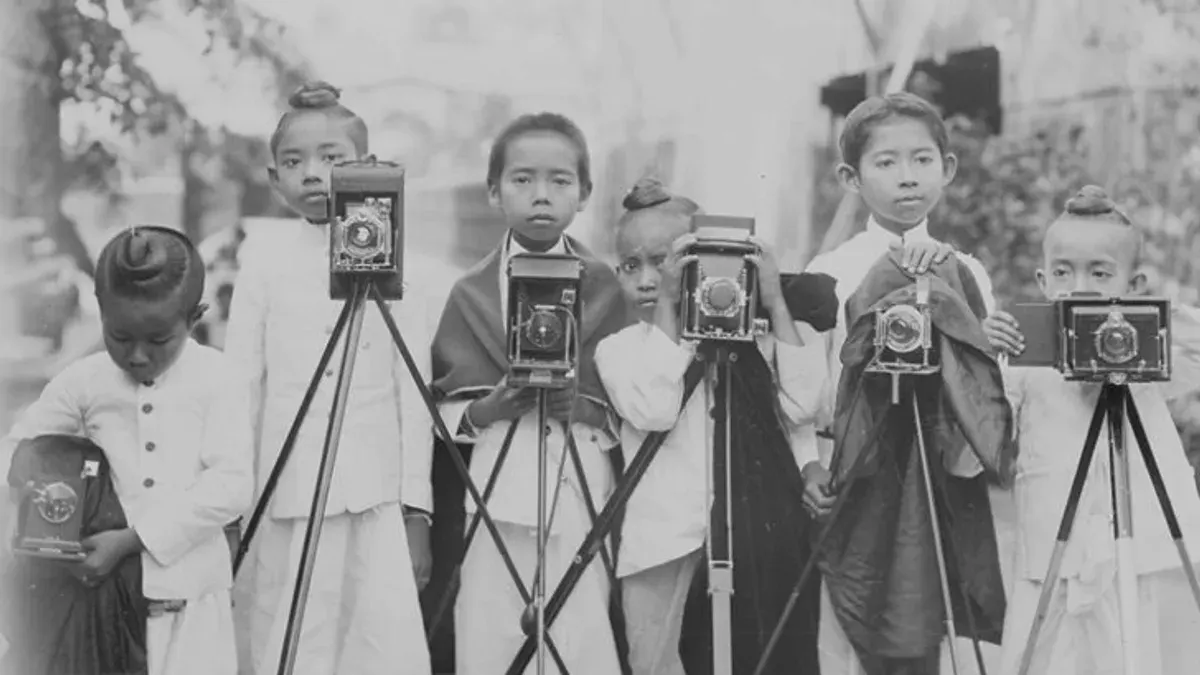
A photograph of women from Kamphaeng Phet taken in 1906 during King Chulalongkorn's reign is part of one of Thailand's most important photographic archives, preserving a visual record of Siam from the mid-19th to early 20th century. The photograph is held in the Royal Photographic Glass Plate Negatives and Original Prints Collections, which contains 35,427 glass plate negatives and about 50,000 original prints dating from 1855 to 1935. The collection was inscribed on UNESCO's Memory of the World International Register in 2017 in recognition of its historical significance.
Originally maintained in three royal libraries associated with King Chulalongkorn, King Vajiravudh and Prince Damrong Rajanubhab, the collection eventually came under the care of Thailand's National Archives in Bangkok.
The photographs offer an unusually detailed record of Siam during a period of profound change, documenting political and diplomatic developments, social and cultural life, royal ceremonies, religious traditions, architecture, transportation and everyday life. They capture members of the royal family, women of the royal court, royal consorts, senior officials, government employees, monks and foreign visitors, as well as places across Siam from government offices to shops, railway stations, temples and archaeological sites. Some images capture major royal ceremonies including coronations, royal funerals and state occasions, while others document the opening of Thailand's first railway services and King Chulalongkorn's visits to provinces across the country. The archive also preserves photographs from the king's first European tour in 1897, when he travelled to Europe and met figures including German statesman Otto von Bismarck and Tsar Nicholas II of Russia.
King Chulalongkorn encouraged women in the inner court to learn photography, with five of his principal consorts from the Bunnag royal family, collectively known as the Chao Chom Kok O group, becoming particularly noted for their photography skills and artistic work. Their involvement reflects how photography developed from a new technology into an important means of documenting life inside and beyond the royal court. The archive is not limited to famous people and major events—its photographs record clothing, crafts, religious objects, architecture and everyday material culture, including Buddhist statues, Sukhothai-era Sangkhalok ceramics, Thai classical dance, Nora performances, shadow puppetry and paintings.