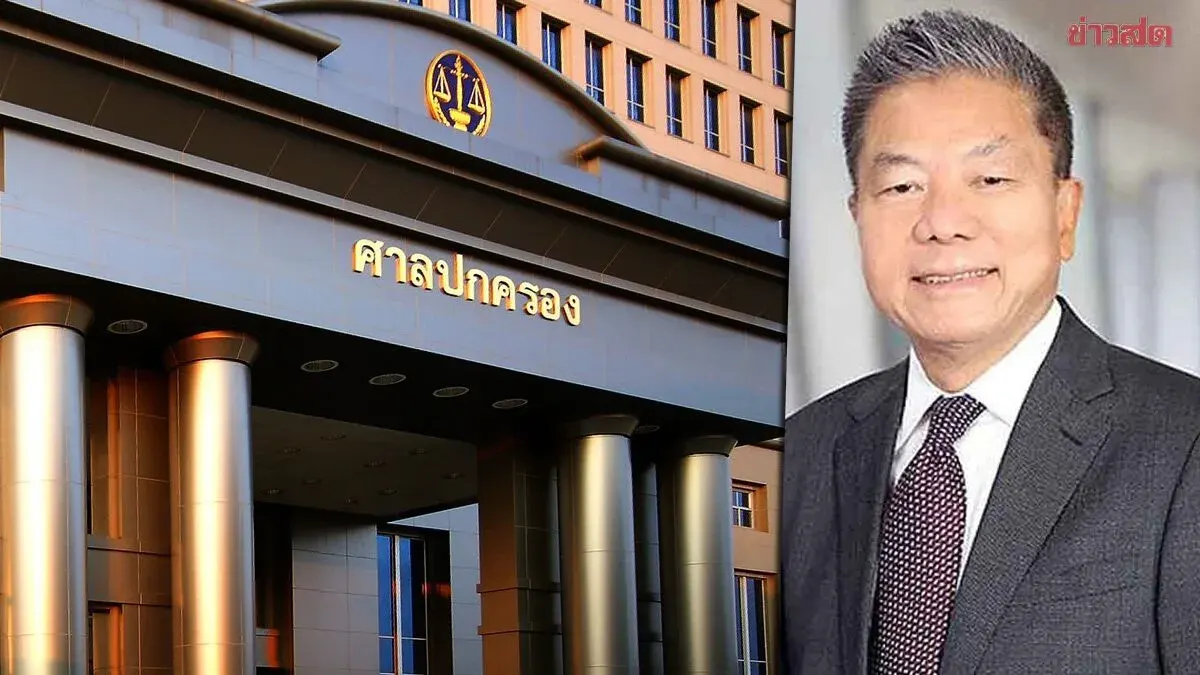
Senator Proposes Direct Public Election of Upper House Members
Senator Premsak Piyarurate proposes electing upper house members through direct public vote instead of the current selection process, arguing that questionable paths to power erode public trust in government institutions.
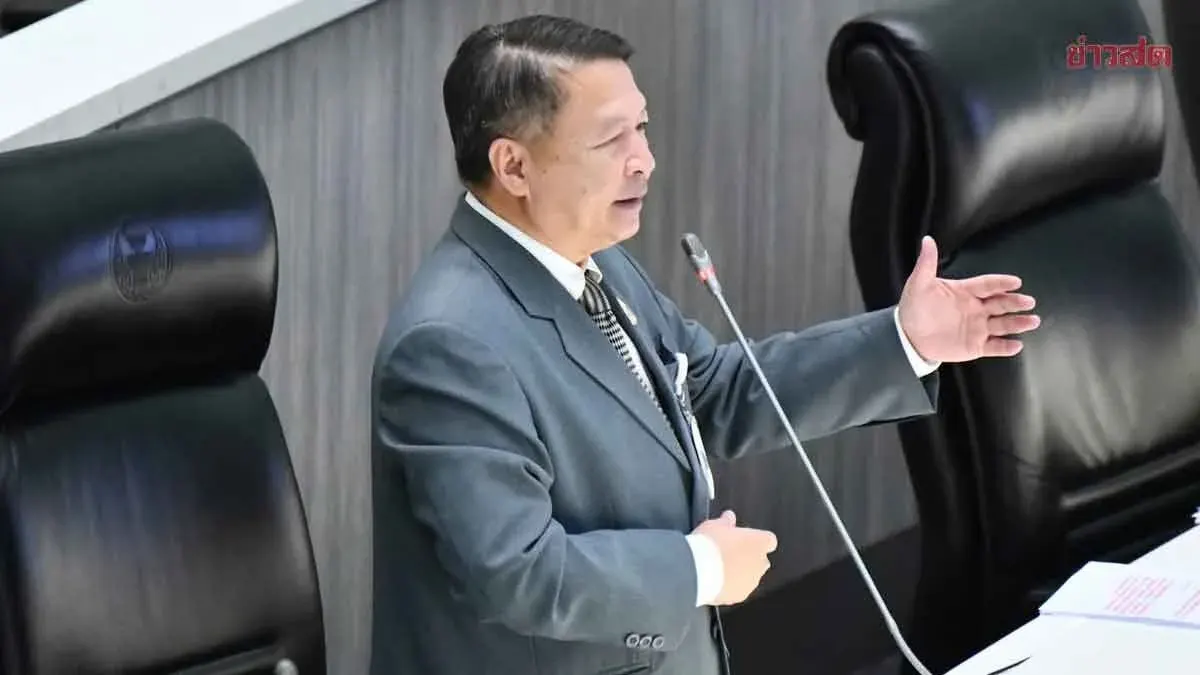
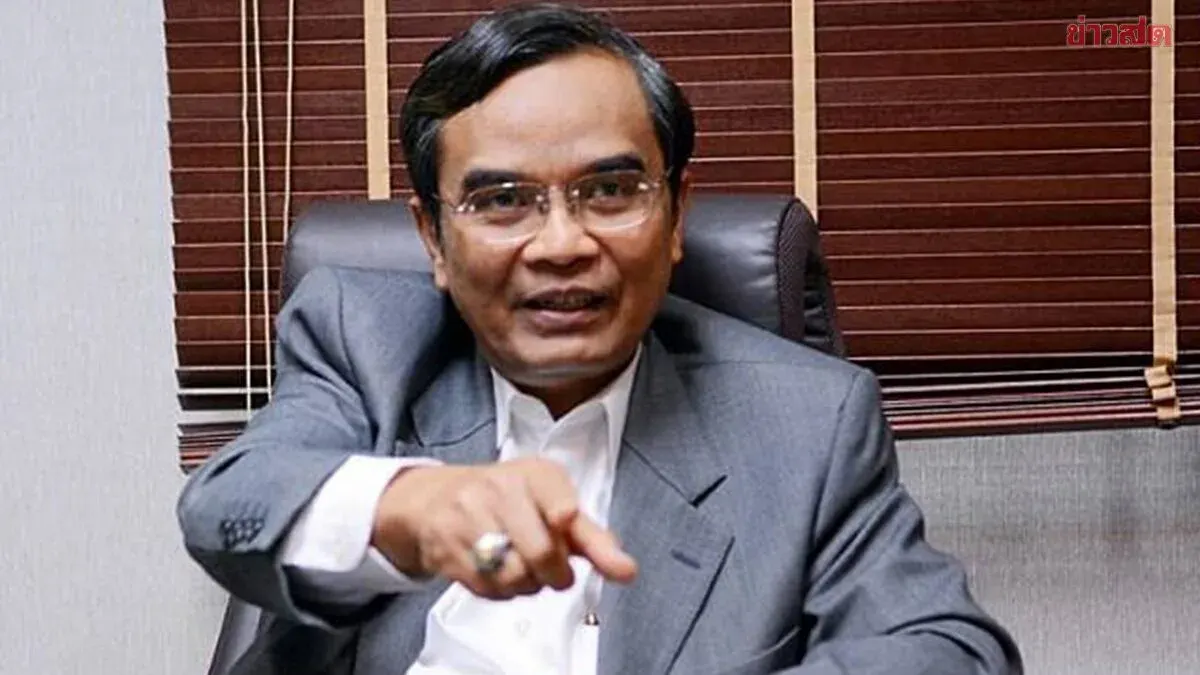
Senator Premsak Piyarurate proposed changing the senate selection method to direct public election while safeguarding against political party dominance, warning that if the source of power remains suspect, the destination of power will lack public trust. Speaking at a Senate session on September 21, he examined vote-buying problems, rules designed to create advantage, and gaps in the current senate selection system, while demanding serious reform of the Election Commission. Premsak shared his experience as a Khon Kaen University student, where he participated in elections at various levels—from class president to student council to rector selection—conducted with paper ballots and ballot boxes that produced widely accepted results without allegations of unfairness. However, when he entered his first House of Representatives race in 2535 after the May Uprising, he encountered a completely different political world. Despite presenting complete policies, he lost because there was no "final policy"—meaning the amount of money spent on vote-buying. Winners don't win because of merit, performance, or party policy, but because they offer the most money. He noted that election problems go beyond vote-buying to include constitutional design and rules created for advantage, and even electoral district divisions that raise public fairness questions. The current senate system, in which candidates select themselves at district, provincial, and national levels, opens opportunities for candidate manipulation, vote-locking, network abuse, and election result dominance. He proposed that Thailand adopt direct public election of senators with safeguards against political nepotism and "spousal senate" structures, while preventing political party takeover. "If the path to power remains questionable, its destination will struggle to gain trust. When the Senate has authority to approve individuals into independent organizations, if the Senate's origin is questioned, doubt will spread to those organizations and may spill into the streets," he said. Free and fair elections must allow independent observers, civil society, media, and political party representatives to monitor every step from ballot receipt and storage to vote counting and result verification. He called on the Election Commission to shift from a reactive to a proactive agency preventing fraud before it occurs, citing his own campaign experience when he reported a village receiving cash payments but was told to gather evidence himself—by which time the payouts had already finished. The Commission must communicate with the public in clear, easily understood language rather than citing complex laws that create confusion and conflict. One ballot may be mere paper to election managers, but to the people it is voice, right, dignity, and the nation's future. He concluded that democracy cannot be built in a day but can collapse in an instant if parliament, government, and the Election Commission do not act together.