Thailand to Charge 450 Baht Entry Fee for Foreign Visitors
Thailand’s tourism ministry plans to impose a 450‑baht fee on qualifying foreign visitors arriving by air, with land and sea entry delayed for a year. The fee is expected to raise at least 8 billion baht after costs, funding travel insurance and sustainable development of tourist sites. An online consultation showed 80.5% support for the proposal.
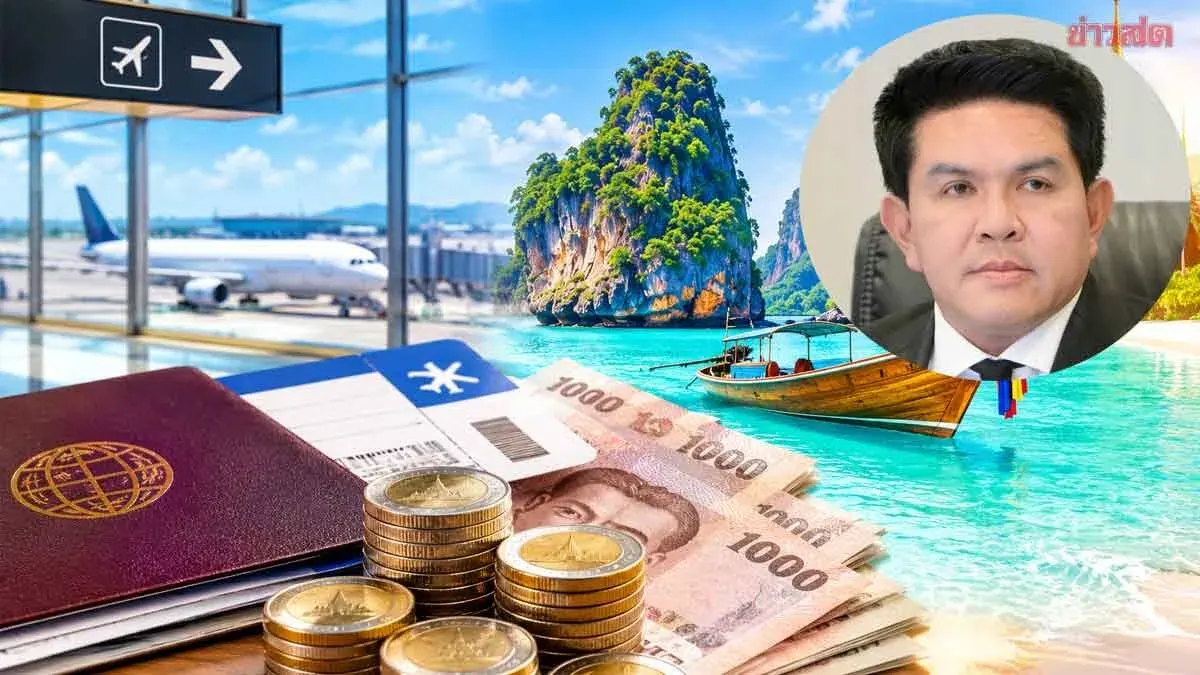
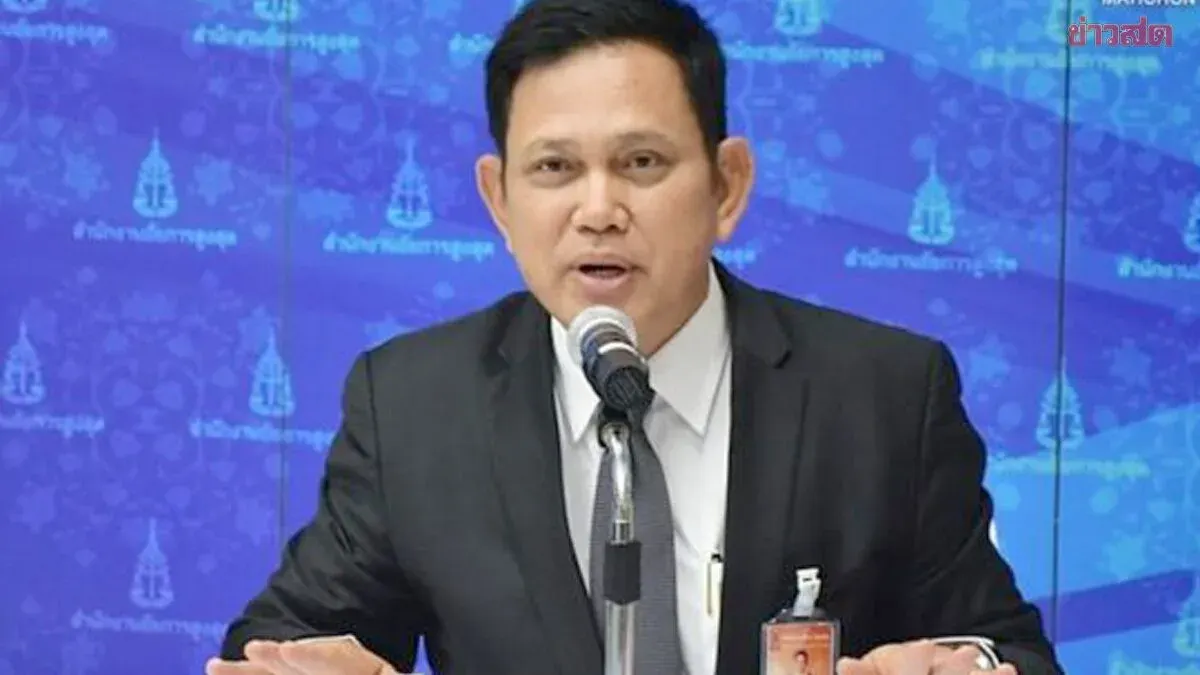
Bangkok, 6 October 2026 – Tourism and Sports Minister Surasak Phanjeeravarakul said after chairing a meeting to discuss ways to collect a ‘foreign tourist fee’ that he would consider feedback from government, private sector and civil society, following an online consultation that ended on 28 September 2026 in which 80.5% of respondents supported the draft announcement on the fee. He said the ministry will use the information to set the fee collection method, create travel insurance to ease state medical costs, and direct revenues to develop tourist sites through a transparent, auditable fund. Tourism remains a key driver of Thailand’s economy, with over 22 million foreign arrivals from January to September 2026 generating more than 1 trillion baht in revenue. Maintaining confidence requires both traveler safety and site quality. The consultation results will help design policies to generate income for tourism, provide insurance covering visitors and easing hospital burdens, reduce taxpayer burden, and allocate funds to maintain tourism sites and communities equitably. The draft proposes a 450‑baht charge per person for qualifying foreign tourists entering by air when the rule takes effect, while land and sea entry would be postponed for one year. Revenue would go into a Thai tourism promotion fund; part would be used to purchase travel insurance covering those who pay the fee, including death benefits and medical expenses according to policy terms, which are under review for broader coverage. Another part would be used to restore and develop tourist attractions sustainably, reducing reliance on the annual budget alone. After deducting collection and insurance costs, net revenue is expected to be at least around 8 billion baht for tourism development, natural‑resource conservation and restoration, and promotion of Thai tourism. The discussion also received useful suggestions that the fund should support localities, communities and related agencies broadly, along with proposals for transparent reporting on fund usage. The online opinion poll conducted between 24 August and 28 September 2026 gathered 5,954 participants, of whom 80.5% agreed with the draft and 78.3% agreed with the 450‑baht‑per‑person rate. Disagreement remains over applying the same rate to air, land and sea entry. Regarding collection method, most (36.26%) favor payment via ticket to reduce steps and delays at immigration checkpoints. Comparative data show that more than 80 countries impose some form of tourism tax or fee, including European nations, Japan, Australia, New Zealand and Bali. Thailand aims to have visitors share the cost of safety and site upkeep to lessen dependence on Thai taxpayers alone. Insurance under the measure will protect tourists who pay the fee; the ministry stresses designing policies that hospitals can verify and pay out, to avoid uncollectable medical costs and taxpayer burden, while cross‑checking baseline figures and scope with public‑health agencies. The private sector urged that criteria be set automatically