Thailand to Impose 30% Tax on Imported EVs
Thailand will impose a 30% excise tax on fully imported electric vehicles starting September, aiming to encourage automakers to establish domestic production and use local components instead of flooding the market with cheap Chinese EVs.
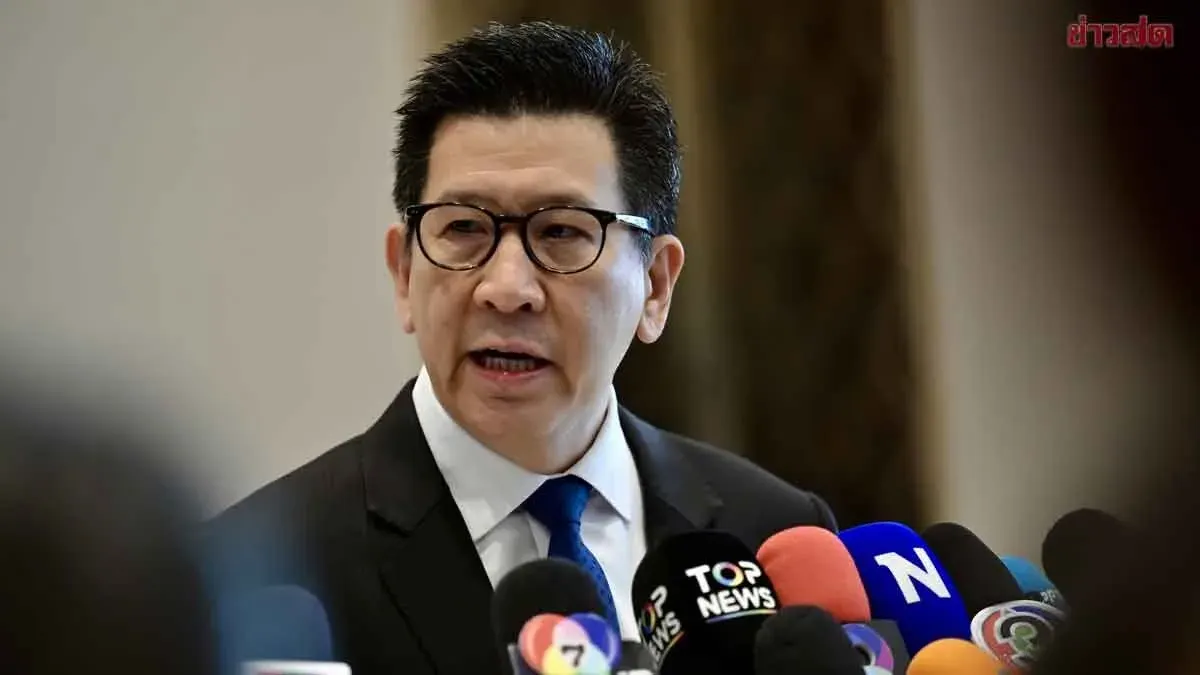
Thailand's Finance Ministry is preparing to impose an excise tax of approximately 30% on fully imported electric vehicles, with details expected to be finalized in September. The move aims to incentivize automakers to invest in domestic production and increase the use of local components. Deputy Prime Minister and Finance Minister Ekniti Nitithanprapas revealed that the government is in discussions with the automotive industry to finalize the EV excise tax structure. The proposed 30% tax rate on completely built-up (CBU) imported vehicles marks the first public disclosure of specific numbers and is expected to be concluded this month.
"The tax rate is likely to be around 30%, with the key objective of creating incentives for automakers to invest and expand their manufacturing base in Thailand," the minister stated. The tax restructuring is part of Thailand's revised EV promotion strategy, following a previous period of low import taxes that allowed affordable Chinese electric vehicles to flood the Thai market. This created intense price competition and pressure on the country's existing automotive manufacturing base. The government now aims to use excise tax as a tool to encourage domestic investment, production, and supply chain development.
Ekniti noted that Thailand cannot raise standard tariff rates due to obligations under free trade agreements (FTAs), making excise tax a crucial mechanism to differentiate between imported vehicles and those manufactured locally. The new framework, recently approved in principle by the National Electric Vehicle Policy Committee, establishes three tax tiers: the highest rate for fully imported EVs, the lowest for domestically manufactured vehicles, and a middle rate for vehicles assembled in Thailand using some imported components.
"Some automakers that currently import vehicles from China and Europe are now negotiating with the government about investing in Thailand to benefit from lower tax rates, on the condition they increase local investment and supply chain usage," the minister said. Nine EV manufacturers are already operating in Thailand, with some beginning to export locally produced vehicles. The government seeks to maintain the existing automotive manufacturing base, which includes a large network of parts suppliers developed through decades of Japanese investment, while also accommodating Chinese manufacturers transitioning from internal combustion engines to EVs. The government has also designated EV and future mobility, covering technology, innovation, and modern transportation systems, as one of seven key industries to drive economic growth ahead.