Toxic Gases Released in Bangkok Beer Hall Fire Kill 27
A fire at a Bangkok beer hall on July 13 killed 27 people and injured 72 after toxic gases from burning polyurethane and PVC materials were released. Health authorities warn residents near the Chatuchak site to limit outdoor exposure and se
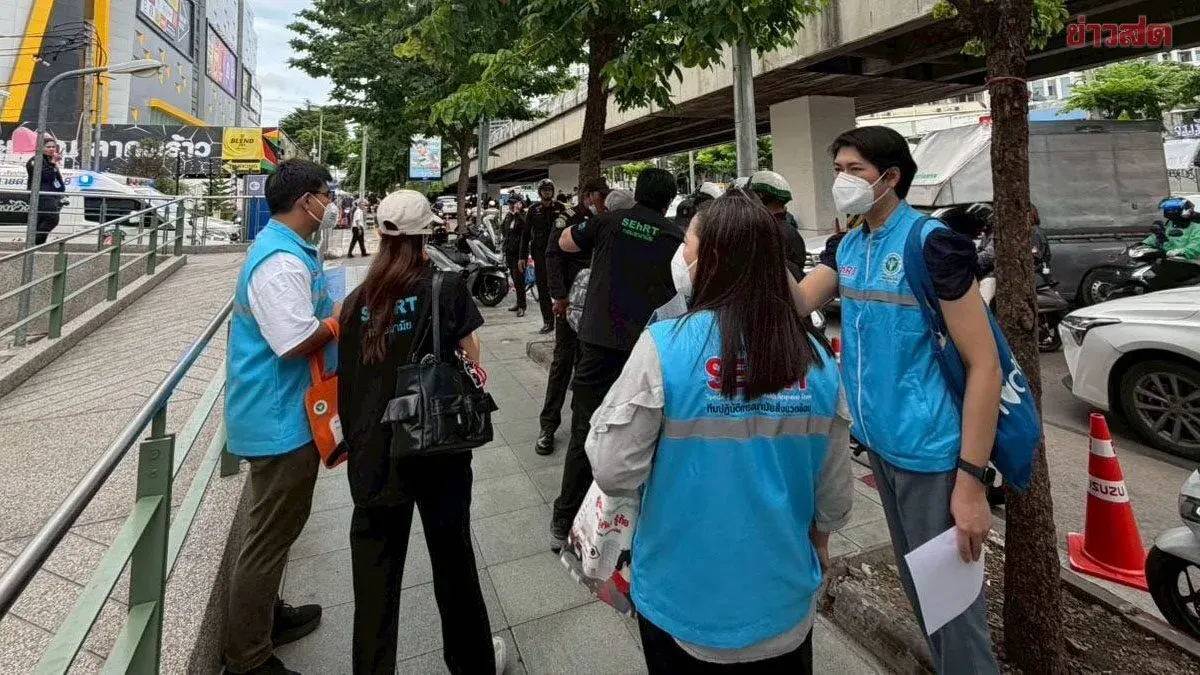
The Department of Health has warned that polyurethane and PVC materials ignited during a fire at a beer hall in Ladprao, Chatuchak district, Bangkok on July 13, killing 27 people (9 men, 18 women) and injuring 72, affecting 99 people total. Dr. Ampon Banjopunthapit, director of the Department of Health, stated that the department is concerned about public health in affected areas and has tasked environmental health teams and municipal health institutes to assess environmental health impacts, measure air quality, and provide health guidance and N95 masks to at-risk residents.
Dr. Naresritthi Khatthasima, deputy director of the Department of Health, explained that the fire occurred in a building containing decorative or sound-dampening materials such as polyurethane (PU) or plastics like PVC, which when burned generate fine particles and toxic gases including carbon monoxide (CO), hydrogen cyanide (HCN), nitrogen oxides (NOx), and hydrogen chloride (HCl). These gases may harm the respiratory system and health, particularly for those near the site, including vulnerable groups such as children, the elderly, pregnant women, and those with chronic diseases. Field surveys showed that residents within 100 meters experienced smoke smell during the fire but no smoke was detected after morning the next day.
Dr. Naresritthi recommended that nearby residents avoid outdoor areas and exposure to smoke; if they must go outside, they should wear protective masks. Residents should keep doors and windows closed to prevent smoke entry, and wipe down floors, walls, and surfaces with damp cloths if soot remains indoors. They should wash hands before eating or touching their face. Anyone experiencing unusual symptoms such as eye irritation, cough, sore throat, difficulty breathing, chest tightness, dizziness, nausea, or loss of consciousness should seek medical care immediately, especially vulnerable groups and those with pre-existing conditions. The Department of Health's SEhRT team will continue monitoring air quality and environmental health risks while providing ongoing public guidance.