Wiroj Urges Pheu Thai to Choose Nation Over Power
People's Party deputy leader Wiroj Lakkhanadisorn said Pheu Thai is aware of the Senate bloc issue more than his own party and questioned whether the coalition partner Bhumjaithai is preventing Pheu Thai from acting. He called the upcoming confidence vote a test of whether Pheu Thai will prioritize the nation or retain power, warning that if they are truly suppressed there would be grounds for a no‑confidence debate.
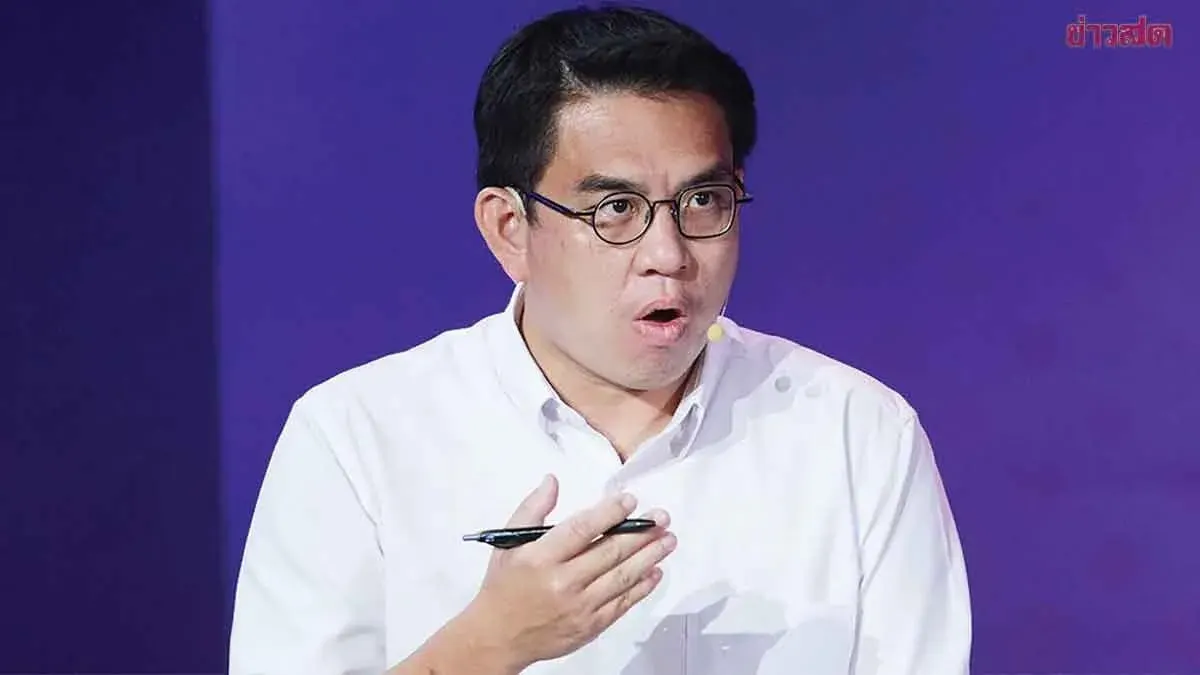
Wiroj Lakkhanadisorn, deputy leader of the People's Party, commented that the opposition's no‑confidence motion, which includes ministers from the Bhumjaithai Party, serves as a gauge of Pheu Thai's loyalty when the government faces a confidence vote. He noted that while some view the move as political strategy, he sees it only as a minor factor and questioned whether Pheu Thai can fully use its executive authority or is being restrained by its coalition partner. He added that if Pheu Thai were truly prevented from acting, there would be substantive material for a no‑confidence debate, citing the Minister of Higher Education, Science, Research and Innovation, Yotsakan Wongsa‑wat, who has not committed any unjust act yet has drawn negative leaks from civil servants to the opposition. Wiroj stressed that he is not claiming Pheu Thai is flawless, but he doubts whether the power dynamics within the blue‑coloured coalition are stifling the party’s ability to govern. He reminded listeners that coalition etiquette expects a one‑ to two‑hour debate to be insufficient for a final decision, and that parties often withdraw from a coalition only after a no‑confidence vote when they have gauged public reaction. Wiroj said Pheu Thai possesses the best information about the Senate bloc issue, having initiated work on it earlier and knowing it poses a serious threat to the country; the existence of a criminal case against a gang shows they already recognized the danger. He challenged Pheu Thai to decide whether they will vote against the government, asking if they will choose the nation’s interests over retaining power, and warned that claiming they will act against corruption only after gaining office makes anti‑corruption a condition for power rather than an unconditional duty.