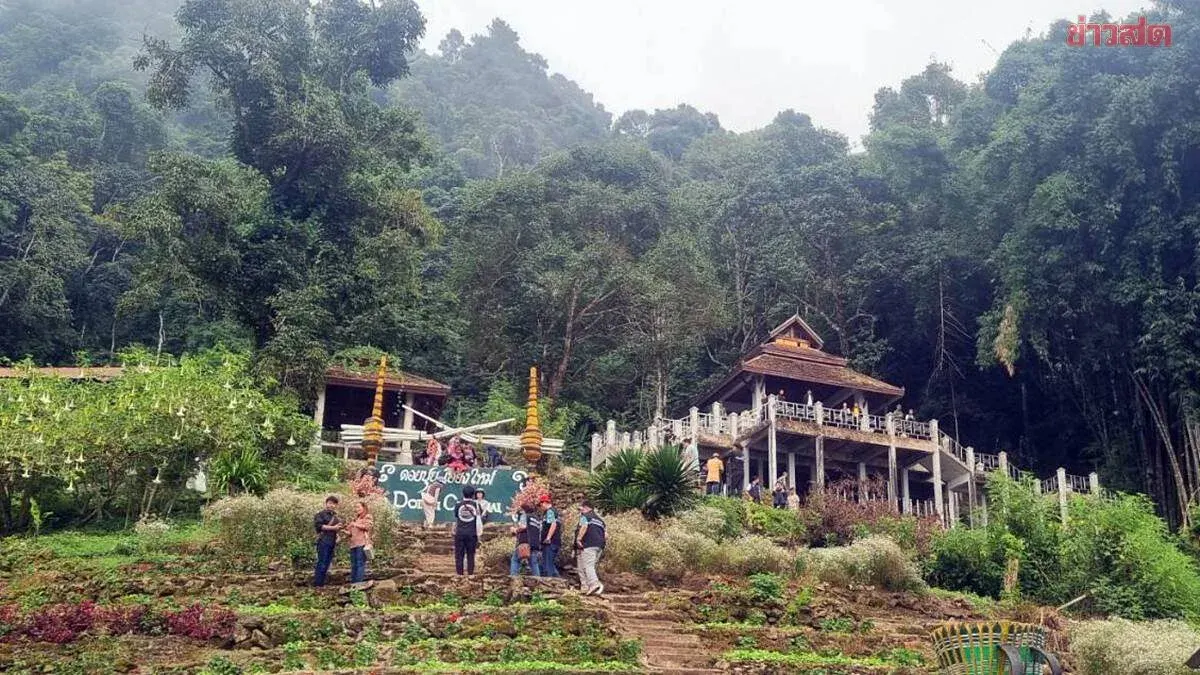
Yala Province Unveils GI Metropolis Strategy for Premium Local Products
The user wants a short summary of the article about Yala Province's GI Metropolis strategy. The summary must be in English, 1-2 sentences, 120-220 characters, max 240. No quotes, no labels, no markdown. Just the summary text. Key points fro
Yala, Thailand's southernmost border province, is shedding its old "Siam's Southern Tip" label to become a "GI Metropolis" by leveraging geographical indication certification for its unique agricultural products. The region's mineral-rich soil, clean air, and pure water produce flavors impossible to replicate elsewhere, from the premium Betong Som Chokun mandarin selling at 160 baht per kilogram to the mountain-grown Durian Sa-det Nam Yala.
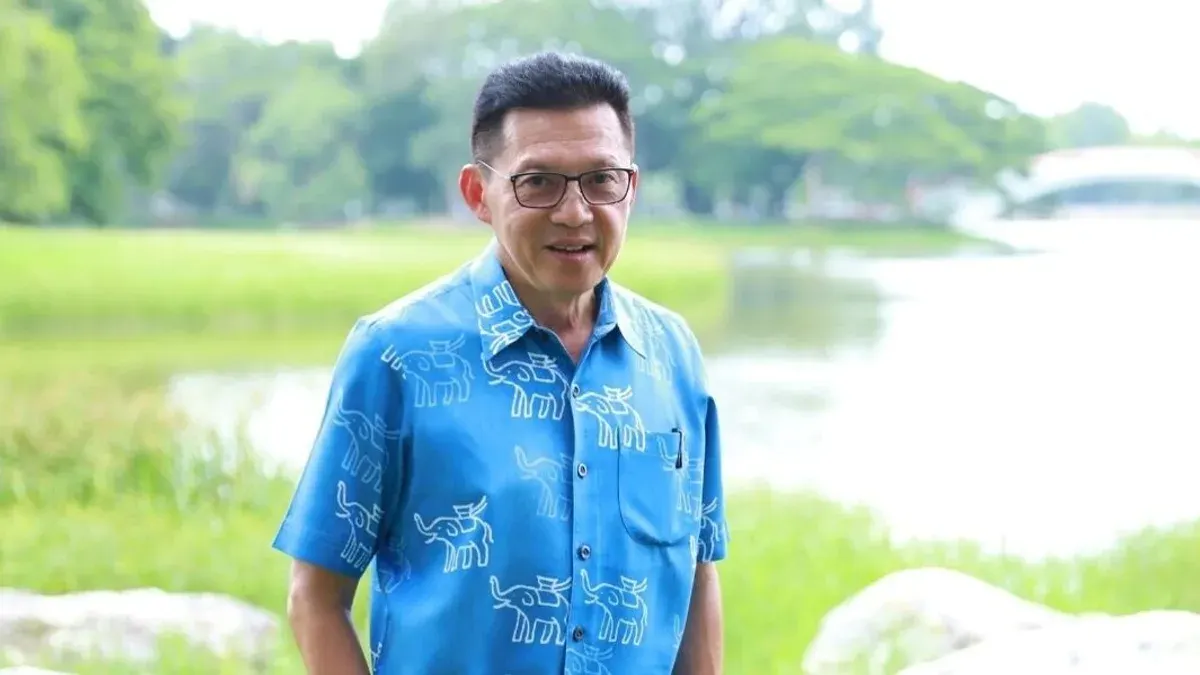
Mayor Pongsak Yingchongcharoen explains that GI products depend on specific environmental conditions — climate, soil, and water — which Yala possesses as its irreplicable "DNA." While the province's 2025 agricultural gross provincial product stands at roughly 17 billion baht, primarily from rubber and durian, GI branding represents a key turning point for adding value.
Beyond fruit, Yala boasts GI-certified seafood including Betong running-water tilapia and red grouper, making it one of Thailand's most GI-diverse provinces. The city is also the South's fruit logistics hub with the nation's sixth-largest durian planting area at over 100,000 rai. Annual output reaches 90,000 tonnes, with total market throughput hitting 200,000 tonnes including fruit from neighboring areas.
To capture premium markets and expand exports to China via "Local to Local" channels, Yala municipality partners with Kasetsart University for quality control and Chiang Mai University for innovative packaging that extends shelf life. X-ray and CT scanning systems screen durians for pests before export, building buyer confidence while supporting low-carbon city goals.
In Budi district, the native Mue-lor fragrant rice has emerged as a nutritional standout. Rice Department testing found it surpasses over 40 southern Thai varieties in nutritional value, prompting a dedicated GI registration. Cultivation has expanded to 3,000 rai across four districts, with technology helping farmers double yields from 300 to 600 kilograms per rai without added capital risk.
A five-year roadmap aims to embed GI products into daily life and conquer global markets, turning Yala's natural endowments into sustainable economic engines for local communities.