Authorities Battle Invasive Catfish in Songkhla Canals
The user wants a short summary of the article about invasive African catfish in Songkhla canals. The summary must be 1-2 sentences, 120-220 characters, max 240 characters. English only. No filler, no quotes, no labels, no markdown. Just the
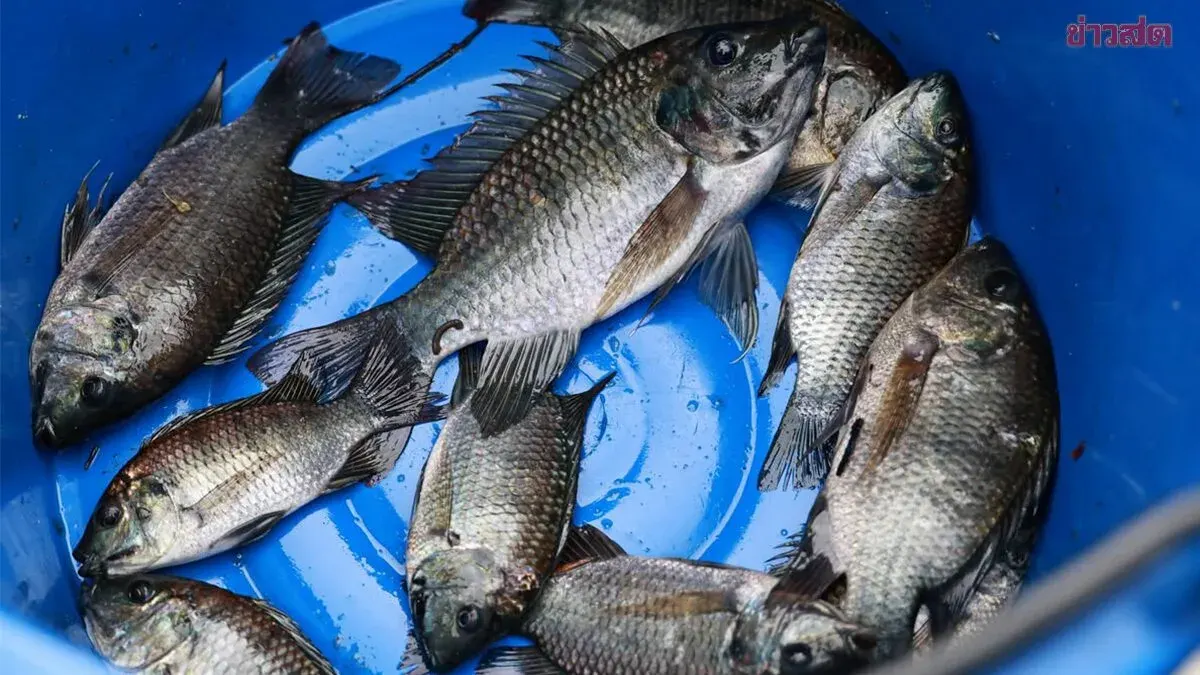
Songkhla — Invasive African catfish have spread into Khlong Samrong in Muang Songkhla district, prompting urgent control and eradication efforts before they reach the Gulf of Thailand. Officials worry the species could severely impact aquatic ecosystems and local fisheries, and are racing to prevent a major crisis.
On October 28, 2026, reporters said the African catfish situation in Songkhla province is spreading into Khlong Samrong in Muang Songkhla district. The area is connected to waterways leading to the Gulf of Thailand, so authorities must quickly block its spread to nearby water sources.
Reporters noted the infestation was first found in Ranot district in 2024. By late 2025, it appeared in Sanam Chai subdistrict, Sathing Phra district, and Wat Khanun subdistrict, Singhanakhon district. Most recently in 2026, aquatic ecological survey data confirmed its presence in Khlong Samrong, Muang Songkhla district.
Most recently, at Khlong Samrong, Moo 3, Khao Rup Chang subdistrict, Muang district, Songkhla province, Deputy Governor Sangkom Kotko presided over the launch of the "Descend into Canals, Hunt African Catfish" campaign to tackle the invasive species' spread in natural water sources.
Attendees included Muang Songkhla District Chief Winij Thepnit, Songkhla Fisheries Chief Charoen Omni, Khao Rup Chang Subdistrict Municipality Mayor Naradet Khamthap, local government officials, and area residents.
Sangkom said the African catfish is a hardy alien species that breeds rapidly, survives in fresh, brackish, and salt water, and consumes all types of aquatic plants and animals. It therefore severely impacts ecosystems and native aquatic biodiversity, which are livelihood sources for local fishers. Without continuous control, it will threaten long-term occupational security.
Sangkom said random netting in Khlong Samrong still found Nile tilapia and native fish, so the impact has not yet reached a critical crisis stage. However, to prevent further spread, he ordered Khao Rup Chang Municipality to implement continuous eradication measures, emphasizing "local wisdom" methods such as piling branches or building temporary traps for about a month to lure the catfish, then surrounding them with nets and mobilizing villagers to net them together.
Before releasing native fish back into the wild, villagers may consume them. The African catfish will be caught in competitions with prizes to incentivize removal. Although the species can be eaten, processed, or made into fertilizer, the primary goal is ecosystem removal. The province will formally monitor and evaluate results.
Charoen said Songkhla is strictly following seven measures under the Department of Fisheries' African Catfish Eradication Operational Plan (2024-2027): 1) Control and eradication in all infested water sources; 2) Release of predator fish (30,000 barramundi released in fiscal 2026); 3) Utilization of eradicated fish (e.g., as barramundi feed); 4) Survey and surveillance in border areas; 5) Public awareness and participation; 6) Research and innovation development; 7) Ecosystem restoration and aquatic biodiversity enhancement.