Brother Grieves After Fire Kills Sibling, Pleads for Body's Return
A 24-year-old Laotian worker grieves his younger brother, killed in a fire at their workplace, and pleads for authorities to return the body so his family can take him home to Laos.
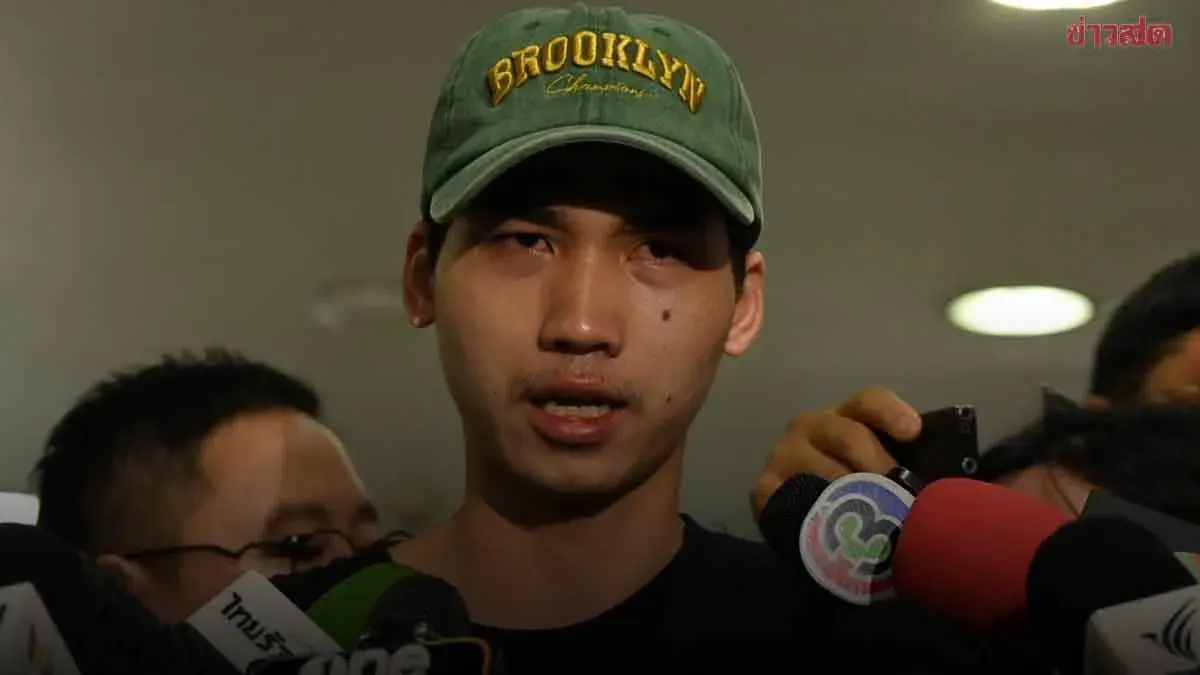
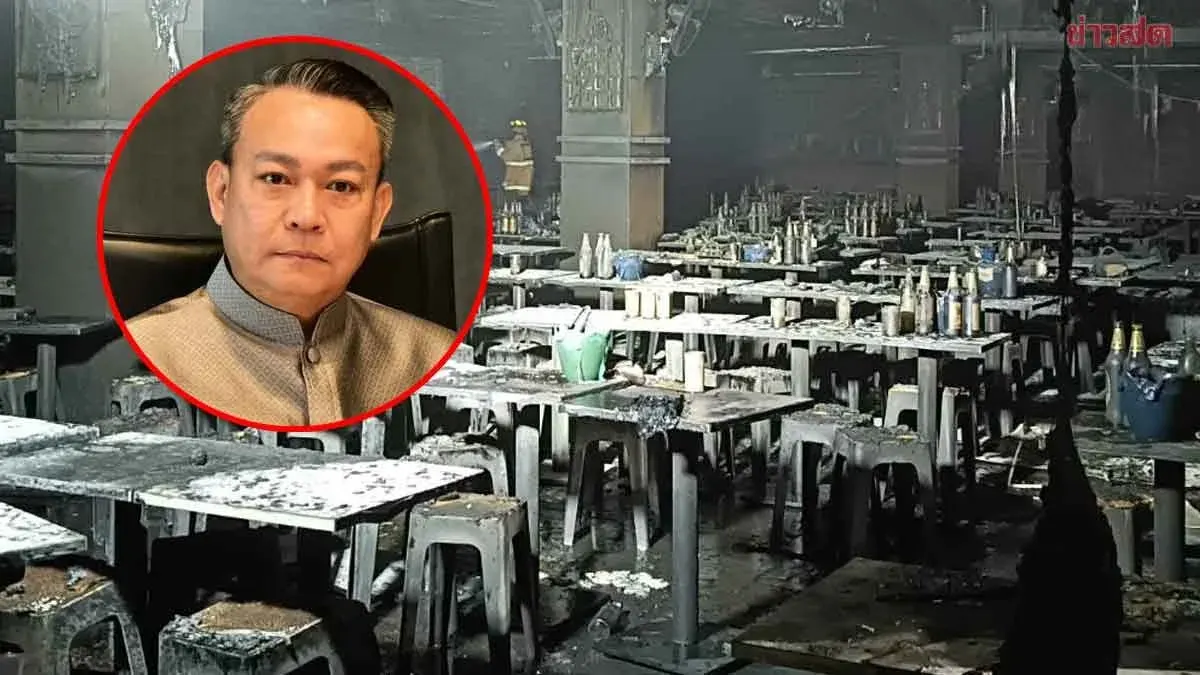
At 1:50 p.m. on July 13, 2025, at the Police Hospital's Institute of Forensic Medicine, Khaeowudon Pungpani, 24, the older brother of Phonpasert Pungpani, 21, one of the fire victims, tearfully recounted his account. Both brothers are Laotian workers at the same establishment, where they had worked since its opening. On the night of the fire, they clocked in at 6 p.m. and were scheduled to finish around 2 a.m. They had eaten and chatted together before the incident—their last moments together.
Khaeowudon explained that he was in the bathroom when the fire broke out, so he did not witness the initial blaze or early events. When he emerged and attempted to re-enter the shop, he found crowds of people fleeing. He ran out with them without hearing any fire alarm or emergency announcement at that moment. Once outside, he immediately searched for his brother, starting from the rear entrance and moving around to the front, asking staff and evacuees if they had seen him or knew his location, but received no answers.
Unable to find his brother, Khaeowudon grabbed a fire extinguisher with another employee and attempted to spray the entrance area. He walked inside approximately 2–3 steps, calling his brother's name repeatedly, knowing he typically worked in the shop's central zone. However, he could see nothing due to thick smoke. While attempting to help, he heard people calling for help from inside, intensifying his desire to reach his brother, but the dense smoke and intense heat made it impossible to proceed further without risking his own life.
Regarding safety measures, Khaeowudon stated that the shop had previously informed staff about emergency exits and fire extinguisher locations, with four exits in total, all reportedly functional. However, he acknowledged that no evacuation drills were ever conducted at the shop, though he had previously participated in fire safety training elsewhere. He was unsure whether the shop had a sprinkler system or automatic fire suppression system.
On the matter of the emergency door now being scrutinized, Khaeowudon indicated that to his knowledge, it operated normally and was not locked, though the shop assigned staff responsibility for opening it during emergencies. On the night of the fire, he exited through the door near the bathroom, believed to be an emergency exit for employees. Regarding reports that customers were required to pay bills before leaving or that items were blocking emergency exits, Khaeowudon could not confirm these claims, as he was in the bathroom during the fire. Regarding merchandise tables near exits, he observed that people were still able to flee through those areas.
When asked who should be held responsible, Khaeowudon stated he did not wish to assign blame at this time, as the family's most pressing concern is returning his brother's body home. He expressed worry about his family's mental state and called on relevant agencies to provide comprehensive care and support to those affected. Regarding compensation, he emphasized that money is not the priority right now, as his parents are waiting for their son to come home. "All I want right now is to bring my brother's body home. Our parents are waiting for him to return. He's gone. If possible, I want to take him back to Laos as soon as we can."