Catches of invasive fish species at Lam Pao Dam spike to 126
Invasive black-chin tilapia catches at Kalasin's Lam Pao Dam have surged to 126 fish, prompting a subsistence fisherman to call for financial incentives to boost reporting and removal efforts.
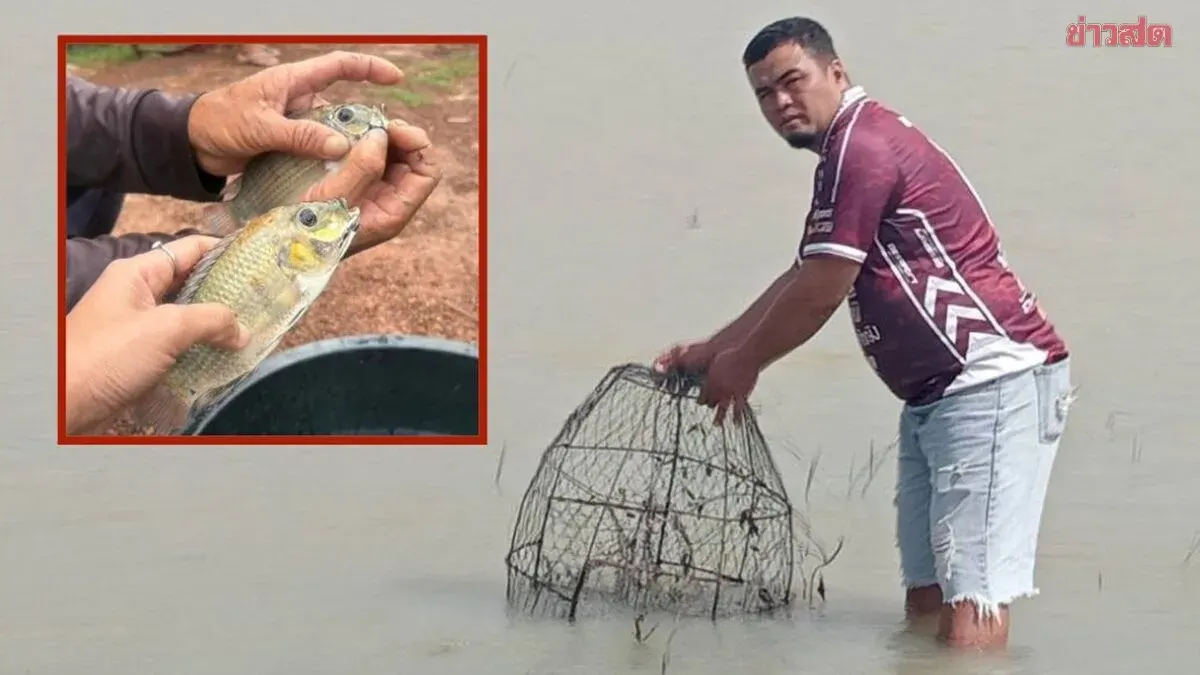
Kalasin's Lam Pao Dam is experiencing an outbreak of black-chin tilapia, with catches now totaling 126 fish. Local and volunteer fishermen continue daily patrols and submit sightings to the Department of Fisheries. A reporter met with Yuttidham Phubuanark, 38, a subsistence fisherman from Nong Sawang subdistrict in Nong Kung Si district, who was the first to catch the species on August 31 and posted the find on his Facebook page "Yuttidham, Livelihood by the Dam."
Yuttidham proposes that financial incentives would work better than passive reporting schemes. He notes that the state's approach is correct but slow, given the dam's vast size and evidence—from varied fish sizes and multiple locations—suggesting the species was introduced long ago. He caught his specimen using an 8-centimeter mesh net near the dam's tail at the Nong Sawang border; it was larger than any found since. Fishermen have since found more fish downstream near Ban Kham Khuean Dam in Samchai district, though none were reported from the original discovery site, suggesting either migration or prior unreported catches.
Yuttidham explains that subsistence fishermen often keep catches for household use or sell them for small income to cover school fees and utilities, making reporting seem burdensome—the fish become state property for research, costing them time and earnings. A bounty of 20 baht per fish would align incentives, since local catches typically fetch 5–20 baht per kilogram depending on type and size. He proposes the state purchase the invasive fish at that rate, consolidating catches from fishermen. He acknowledges the state's rapid-response task force and volunteer mobilization are on the right track but too slow. He draws a parallel to the giant catfish—a former problem that became a signature regional dish and income source—suggesting this crisis could be similarly reframed.