Buddhist Abbots Face Triple Penalties for Embezzlement
A Supreme Court ruling confirms that Buddhist abbots in administrative roles are "officials" under Thai law and face triple penalties for money laundering crimes, highlighted by the arrest of an Ayutthaya abbot accused of embezzling over 92

BANGKOK — A Supreme Court ruling has reaffirmed that abbots appointed to ecclesiastical administrative positions are considered "officials" under Thai law and can face penalties up to three times the normal punishment if they abuse their positions to commit money laundering-related offences.
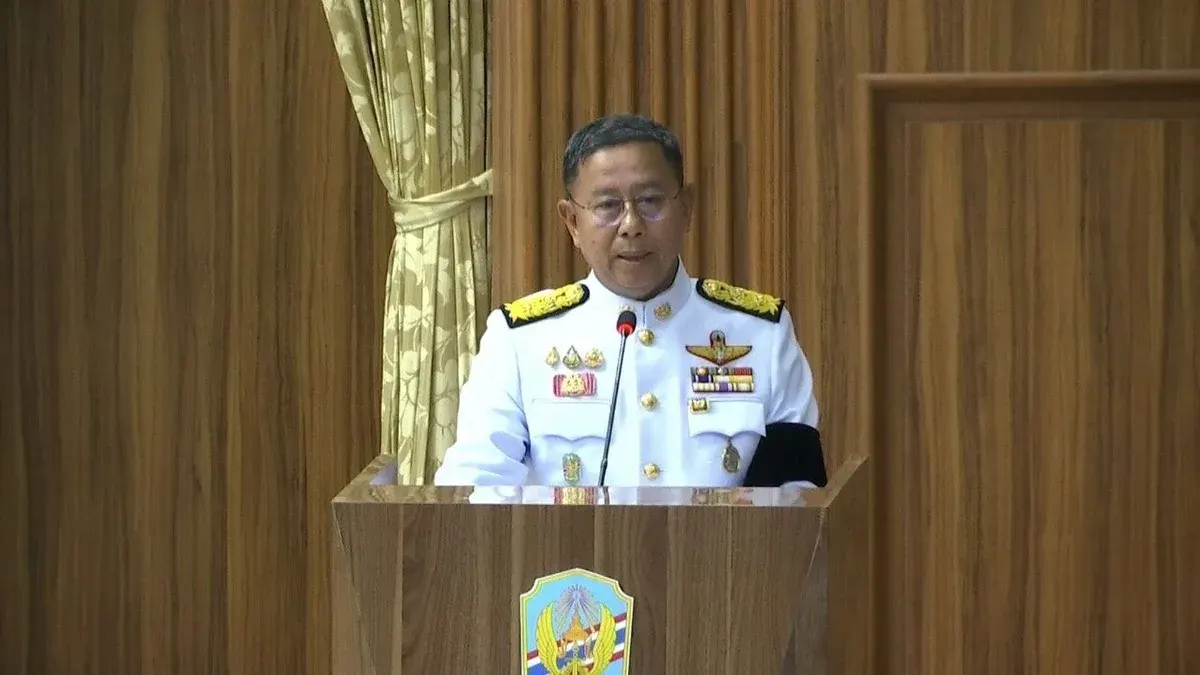
The ruling has resurfaced following the arrest of Phra Vajirayan, also known as Luang Por Chot, abbot of Wat Phutthaisawan in Phra Nakhon Si Ayutthaya district, Ayutthaya province.
Crime Suppression Division police arrested the monk at his temple on 8 September 2026 under an arrest warrant issued by the Central Criminal Court for Corruption and Misconduct Cases, Region 1. He faces charges of allegedly misappropriating temple assets, unlawfully performing his duties, and conspiring to launder money. Police allege that he diverted temple funds for personal use before handing the money to a close female associate who allegedly helped conceal or transform the assets. The alleged damage is estimated at more than 92 million baht.
Following the arrest, Parliament published a summary of Supreme Court Judgment No. 3583/2565, concerning an abbot convicted of wrongdoing. The ruling states that under Section 45 of the Sangha Act B.E. 2505 (1962), monks appointed to positions in the administration of the Buddhist clergy, as well as temple lay stewards, are deemed officials under the Criminal Code.
In the case, the defendant, who was an abbot, used his position together with another person to fraudulently disburse state budget funds and commit money laundering offences. The Supreme Court ruled that the defendant had used his official position to commit offences covered by the Anti-Money Laundering Act B.E. 2542 (1999). As a result, the defendant was subject to three times the penalty prescribed for the offences, in accordance with Section 11 of the Anti-Money Laundering Act.