Education Deputy Minister Pushes Support Over Inspections in Rural Schools
Deputy Education Minister Akkhanan Kanngkittinant visited remote schools in Khon Kaen province to shift the Education Ministry's approach from inspections to direct support, pledging faster solutions to infrastructure, staffing, and resourc
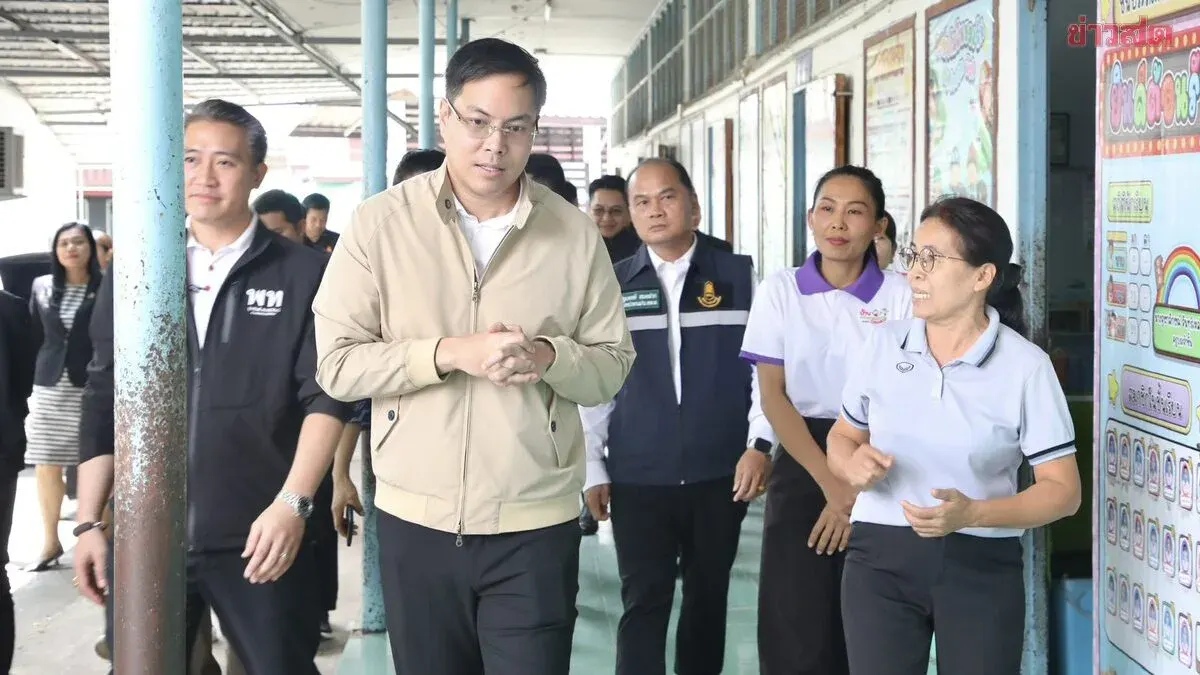
Deputy Education Minister Akkhanan Kanngkittinant visited remote schools in Khon Kaen province on September 4, 2025, to investigate challenges affecting education in isolated areas. He toured Ban Suang Nong Phai Lom School, Phon School, and Kham Kaen Witthayakhom School, meeting with administrators, teachers, and students to assess facilities and teaching conditions firsthand and identify problems impacting student learning and teacher effectiveness.
During his visit, Akkhanan discussed daily challenges with school staff, including infrastructure gaps, personnel shortages, budget constraints, and resource limitations. He listened to suggestions from teachers and students about needed support from the Education Ministry, emphasizing that each school faces different problems requiring tailored solutions based on local context.
Akkhanan called for a fundamental shift in how the Education Ministry conducts inspections—from "inspecting schools" to "helping schools." He stressed that field visits should not create additional documentation or procedural burdens on teachers, but rather identify which problems can be resolved immediately, which require inter-agency coordination, and which need policy-level action.
"When we visit schools, we should lift burdens, not create them," Akkhanan said. "Inspections must reduce red tape, streamline procedures, eliminate complications, and return time and resources to teachers so they can fully dedicate themselves to teaching. The mindset must shift from inspection to support."
He pledged to categorize all findings from this visit to accelerate solutions, particularly issues directly affecting teaching quality and student welfare, as well as administrative tasks that distract teachers from their primary role. The Education Ministry aims to ensure that support reaches remote schools with greater precision and relevance.
"What we learn in schools must not end in a report to headquarters—it must lead to concrete action," Akkhanan concluded. "Problems that can be fixed must be fixed quickly; those requiring coordination must be followed up. Ultimately, the education system serves children, and teachers are closest to them."