Election Commission Accused of Selective Prosecution in Senate Candidate Case
The Election Commission referred 77 people in a Senate vote-buying scandal to the Supreme Court, but reduced charges from an initial 229 suspects, sparking accusations of selective prosecution favoring ruling coalition members.
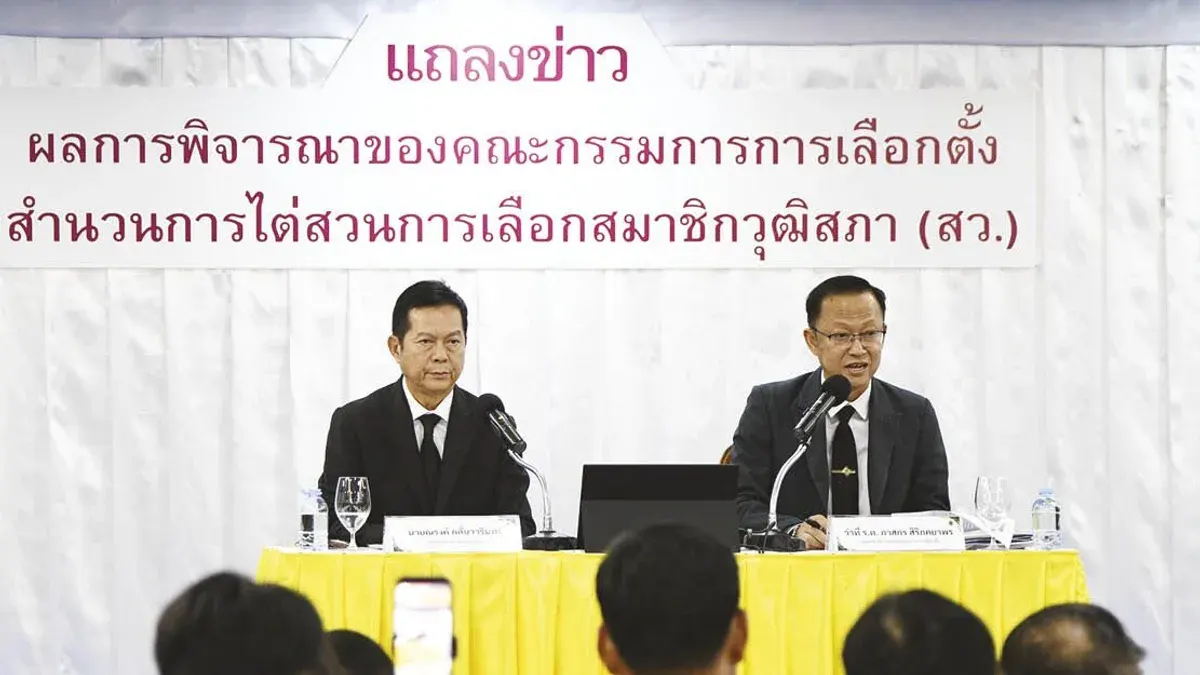
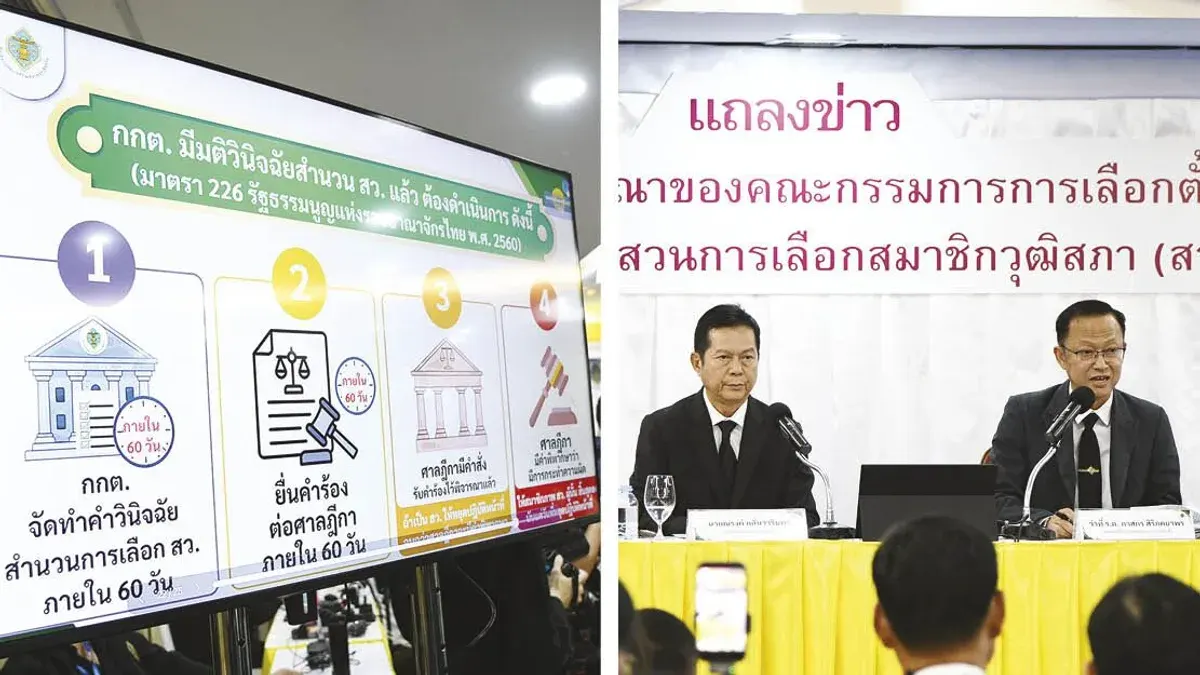
On September 14, the Election Commission voted to refer 77 accused individuals in the Senate candidate vote-buying scandal to the Supreme Court's Electoral Division, with 26 sitting senators among them required to suspend their duties. The defendants face various charges, including violations of nomination rules, offering or promising assets as incentives, treating candidates, and soliciting votes in exchange for benefits. An investigation subcommittee comprising Election Commission and DSI representatives had initially recommended prosecuting 229 people, but the Election Commission ultimately reduced the cases to just 77, raising questions about what happened to the remaining 152. Moreover, no charges have been filed on the critical Section 76 issues involving politicians, party executives, or political appointees assisting Senate candidates, or candidates accepting such assistance. This underscores persistent allegations that the Election Commission has deliberately narrowed the prosecution to target only lower-tier candidates and light-blue faction senators, preventing the scandal from reaching the darker-blue core leadership. For the ruling coalition like Thai Pride Party, this is welcome news since the risk of party dissolution has been averted, allowing the power structure to continue. Yet every victory carries a cost. In the Senate vote-buying case, the further the Election Commission has gone, the more society questions its neutrality, transparency, and resistance to political interference. Pressure now comes not only from opposition parties but also from the public. Thai People Party and other groups continue their campaign through investigations into the Election Commission's conduct and legal channels, including preparing a no-confidence motion against the government under Section 151, expected to be completed and submitted to parliament within September. All this clearly reflects that despite reducing defendants to 77, political momentum has not lessened but expanded further. The blue government must not celebrate victory, as escaping this case does not mean escaping the public's crisis of confidence. The Senate vote-buying case, with over 150 cases dropped and only 77 remaining, may become a trigger for heightened political tension. Ending the case while leaving major questions unanswered leaves society deeply unsatisfied. Ultimately, the government must answer not to the court but to the people. The Election Commission's September 14 decision is merely a legal conclusion, not a political one.