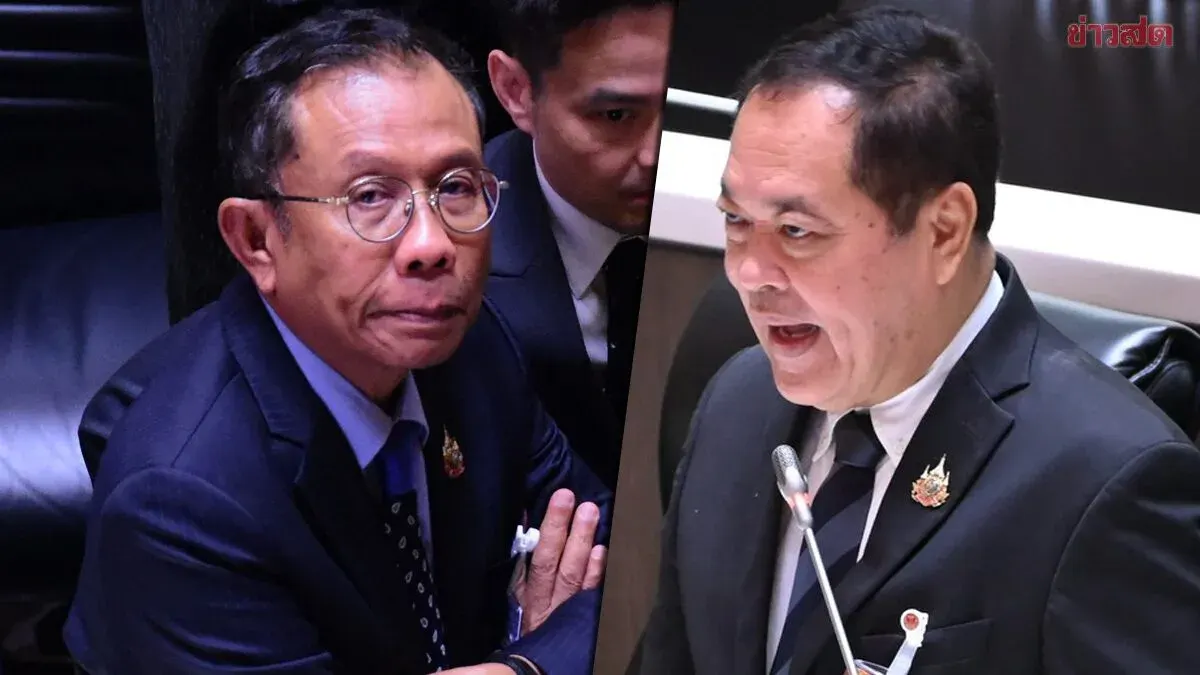
Former Constitutional Court Chief Questions 2560 Charter Senate Appointments
Former Constitutional Court chief Narin Mekhratrat has questioned the legitimacy of senate appointments under Thailand's 2560 Constitution, citing alleged errors in the selection process and suggesting potential fraud in candidate disqualif
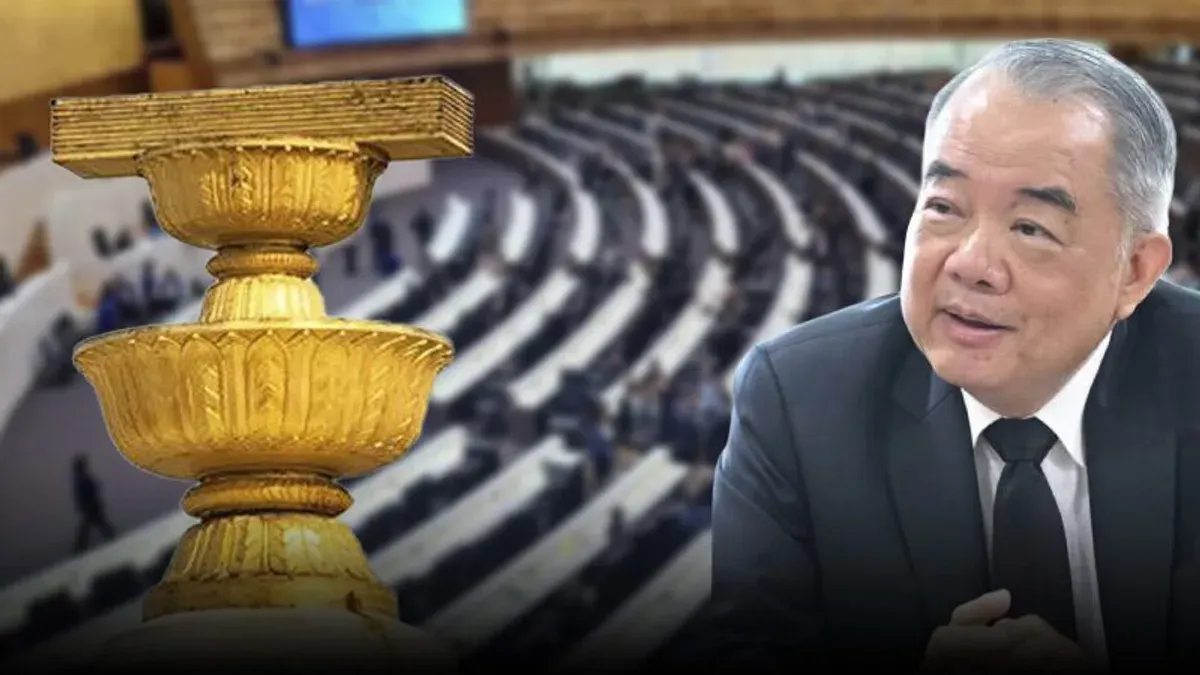
A highly contentious debate has emerged following remarks by Narin Mekhratrat, former president of the Constitutional Court, regarding the 2560 Constitution. The most striking claim concerns the former chairman of the 2560 Constitutional Drafting Commission, who reportedly admitted to making significant errors in how senators were selected. Although associates and Meechai Rikuphan subsequently denied any disappointment or public complaints, questions persist about the actual effectiveness of the senate selection process designed by the drafting commission.
Critics argue that if the senate truly represented all segments of society, why did the election commission need to disqualify 1,767 candidates for lack of qualifications or registration errors? Widespread suspicion has also surrounded allegations of manipulation beyond mere favoritism, amounting to outright fraud. There remains doubt about whether senators have performed their duties with genuine integrity or under external direction, raising questions about whether the 2560 Constitution-derived senate is truly legitimate or subject to legal challenge.
Mekhratrat's statement that everyone bears responsibility for problems has sparked further debate about whether ordinary citizens share equal blame with those holding decisive legal authority. While one might argue broadly that all members of society bear some responsibility for current conditions, a question remains: should ordinary citizens, whether urban or marginalized, bear the same responsibility as those with legal decision-making power? Those wielding governmental authority have a duty beyond mere rule-keeping; they must uphold the rule of law and constitutional principles.
It appears overly simplistic to blame society without acknowledging differential responsibilities. Those in power face unique obligations to maintain institutional integrity. When authorities cannot adequately explain their actions to the international community—whether regarding a prime minister's removal or party dissolution—yet proceed anyway citing legal grounds, this contradicts fundamental rule-of-law principles. Claiming that all citizens bear equal responsibility thus lacks justice.
How one assesses trustworthiness depends on observing conduct both in times of power and after losing it. When actions contradict stated principles, genuine respect becomes difficult to maintain. In current circumstances, frankly speaking, the entire approach deserves serious criticism.