Former Election Commissioner Challenges 36-Member Subcommittee's Senate Case Legitimacy
Former Election Commission chairman Somchai Srisutthiyakorn questioned the legitimacy of a 36-member subcommittee investigating a Senate acquisition case, alleging overlapping membership and lack of rigorous questioning undermine its credib
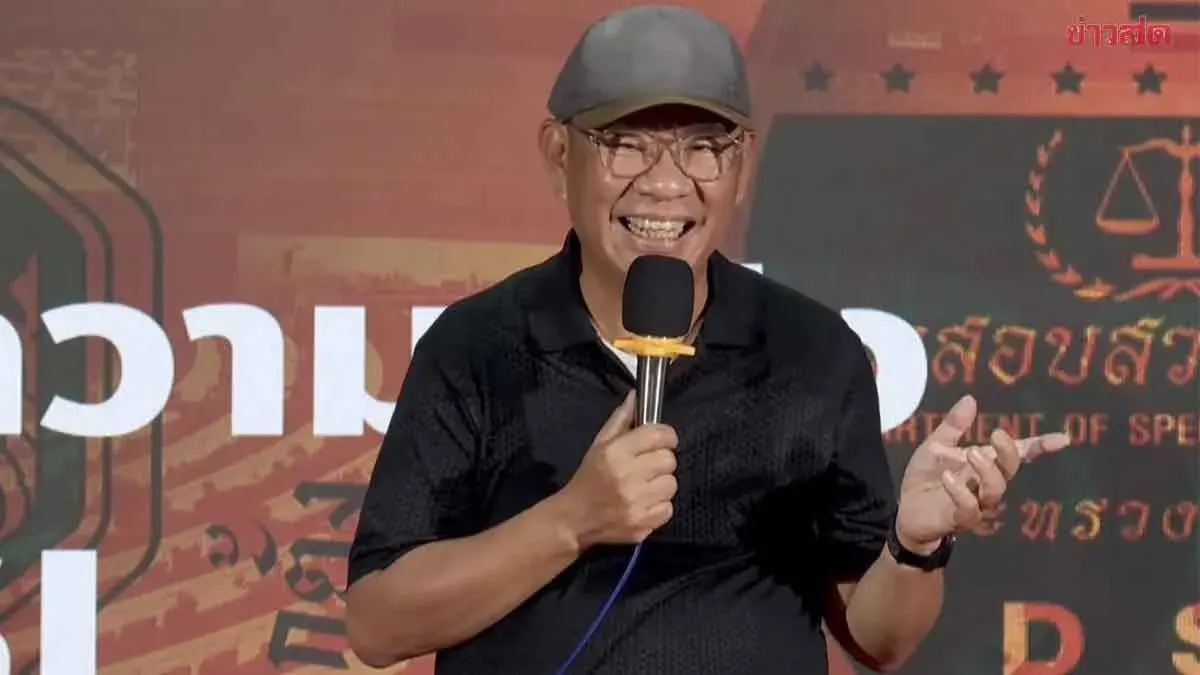
At a press briefing on September 6, Somchai Srisutthiyakorn, former Election Commission chairman, criticized the work of the 36-member subcommittee investigating the Senate member acquisition case. He stated that the Election Commission established this subcommittee because it believed the original 35 committees were overburdened or lacked sufficient expertise, yet many members overlap and rarely ask probing questions, undermining the committee's legitimacy.
Somchai said he is not alone in receiving the 36-member subcommittee's documents and is awaiting the Election Commission's ruling on September 14 to assess whether the process is fair and transparent. If the ruling is questionable, he believes the evidence he holds—which identifies potential wrongdoers and their political connections to lawmakers and party executives—will eventually be disclosed, prolonging the controversy.
According to meeting reports, the 36-member subcommittee, comprising seven members and a nine-person secretariat, meets twice weekly on Tuesdays and Thursdays from 1:30 to 4:00 p.m. The Election Commission secretariat presents summaries of findings from the central investigation committee's 26-member panel. Early meetings included questioning, but later sessions saw the secretariat presenting almost all materials; in one meeting with 39 pages of documents, 38.5 were presented with minimal committee questions or concerns.
Somchai noted that while Chaowan Trimaart serves as the subcommittee chair, Anucha Chansuriya, one member, has taken a leading role in steering discussions and setting the framework for deliberation. In one meeting, a member objected when a respected figure unaffiliated with any party or candidate was discussed, saying he should not be involved simply because he plays football and wears shorts. The secretariat countered that even unaffiliated individuals can be included if suspected of wrongdoing.
Somchai remarked that Anucha's attempts to frame legal interpretations may steer the verdict in a particular direction—whether toward clearer, better findings or toward allowing wrongdoers to escape liability remains unclear. He highlighted his concern that political matters receive particular scrutiny regarding whether politicians bear joint responsibility, citing a frame-setting decision in the third meeting.