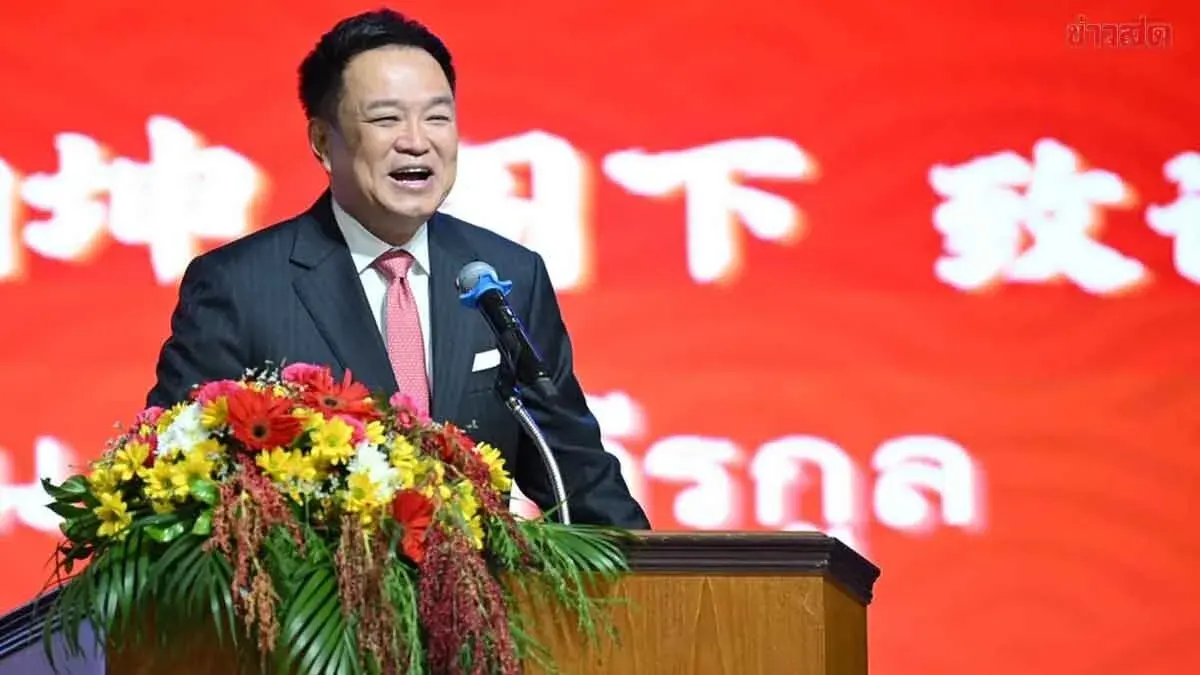
Thailand Launches Economic Diplomacy Push to Restore Asian Standing
Thailand is launching an aggressive economic diplomacy strategy led by PM Anutin, leveraging free trade agreements and bilateral relationships to restore the nation's standing as ASEAN's connective hub and attract foreign investment and tec
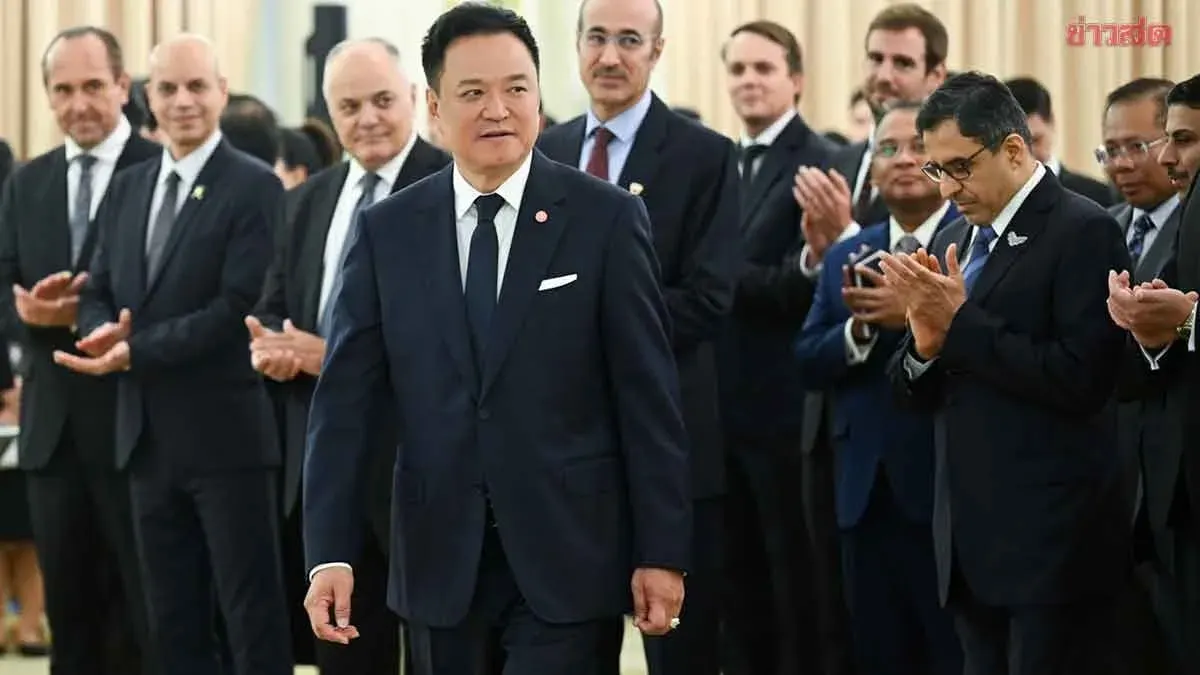
Prime Minister Anutin Charnvirakul's recent meeting with 76 ambassadors, consuls general, and international organization leaders at Government House on September 4 marks more than a routine diplomatic ceremony—it signals the rollout of Thailand's aggressive new economic diplomacy strategy. Anutin is prioritizing foreign relations as a lever to unlock economic, technological, market, and investment opportunities, with the diplomatic corps divided into nine regional groups to translate each bilateral relationship into tangible benefits.
"The government's core mission is to restore Thailand's standing in the global eye as an open, trustworthy nation and the connective hub of ASEAN amid volatile geopolitics, energy crises, food insecurity, and global supply chain restructuring," a government source said. ASEAN is the priority region, with Anutin already visiting Laos, Singapore, Vietnam, Malaysia, and Indonesia, with planned trips to the Philippines, Brunei, and Timor-Leste to follow. Thailand aims to work closely with Singapore to ensure continuity when it takes the ASEAN chair in 2570-2571.
The government is wielding free trade agreements as its primary tool to restore investor confidence, accelerating deals with the European Union, Canada, and South Korea while pushing existing agreements forward. It is simultaneously opening new markets through Peru, Sri Lanka, BIMSTEC, and ASEAN-Canada frameworks. FTA expansion is not merely about widening export markets but positioning Thailand as a manufacturing and business hub in the region, attracting investors who see access to ASEAN, Asia, and developed markets.
Thailand is also diversifying risk by targeting Africa, the Middle East, Latin America, South Asia, and Central Asia, leveraging its strengths in food, agricultural processing, halal products, clean energy, healthcare, wellness, and logistics. In the Middle East, Thailand aims to position itself as a long-term food security partner while deepening energy, tourism, healthcare, and labor cooperation. Africa will operate under the Thailand-Africa Initiative framework, linking political, economic, development, and strategic cooperation. Engagement with China, Japan, South Korea, and East Asian nations will focus on technology, innovation, artificial intelligence, emerging industries, and cybercrime prevention, with emphasis on attracting high-quality investment that creates added value and avoids illicit capital flows.