Thailand Hosts Gastech 2026, Eyes LNG Hub Role for Asia
Thailand is hosting Gastech 2026, positioning itself as Asia's energy hub while expanding LNG capacity and advancing carbon capture technology to meet regional energy demand and climate goals.
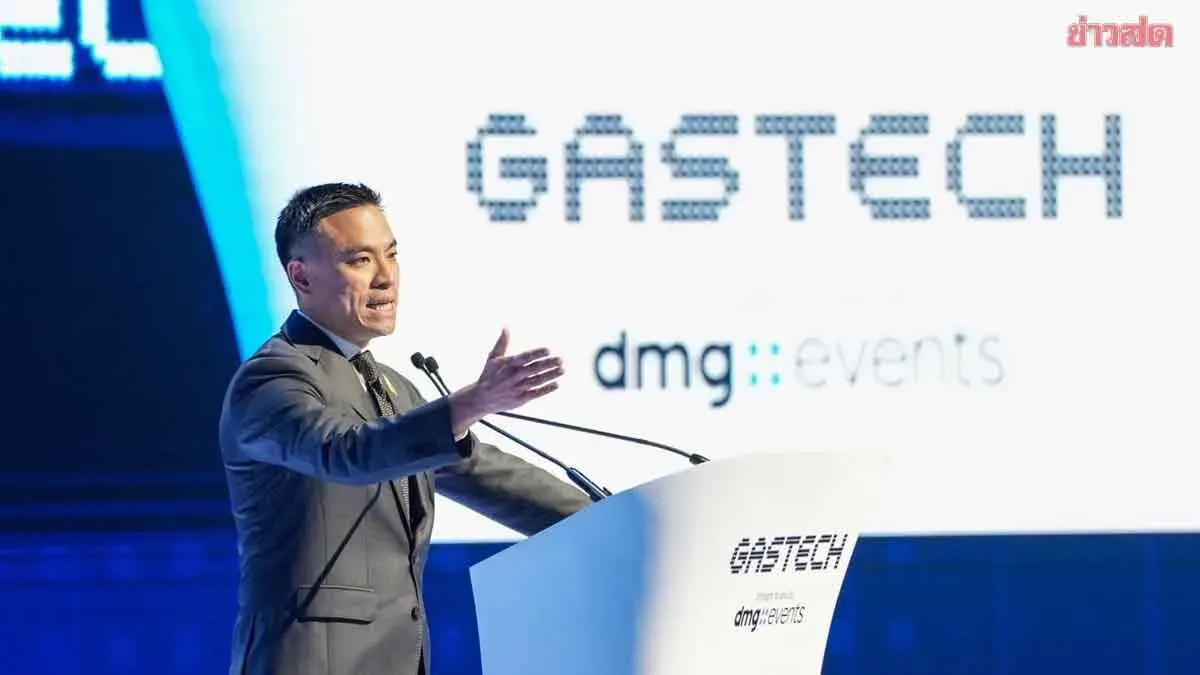
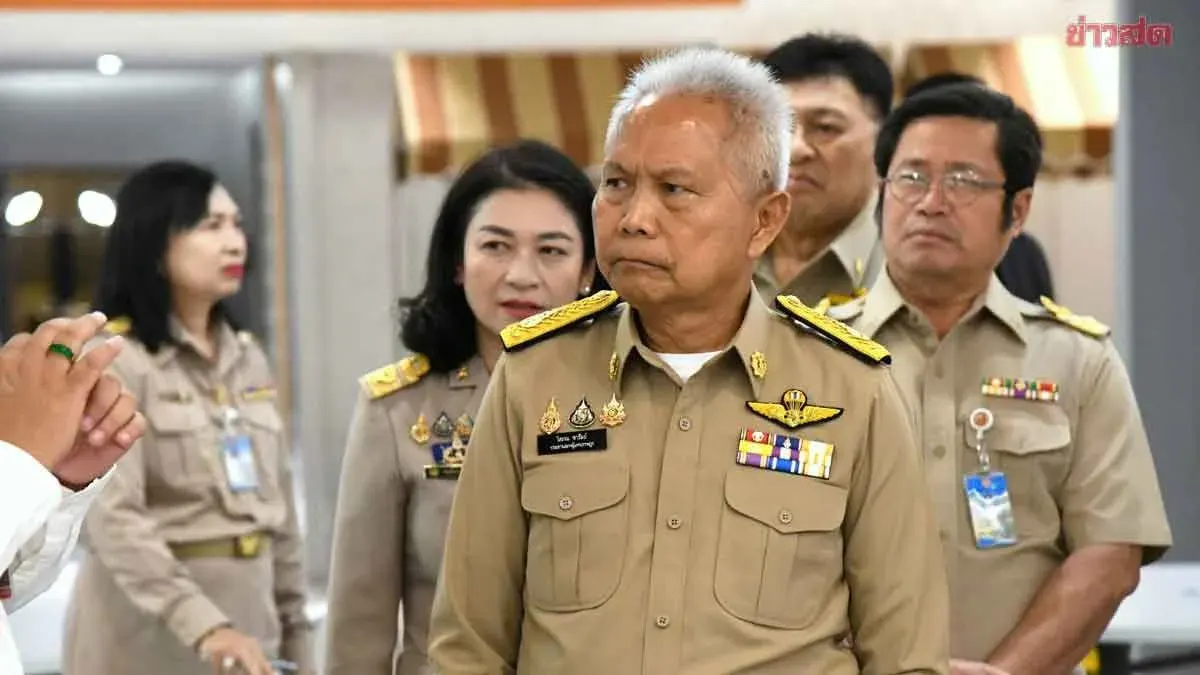
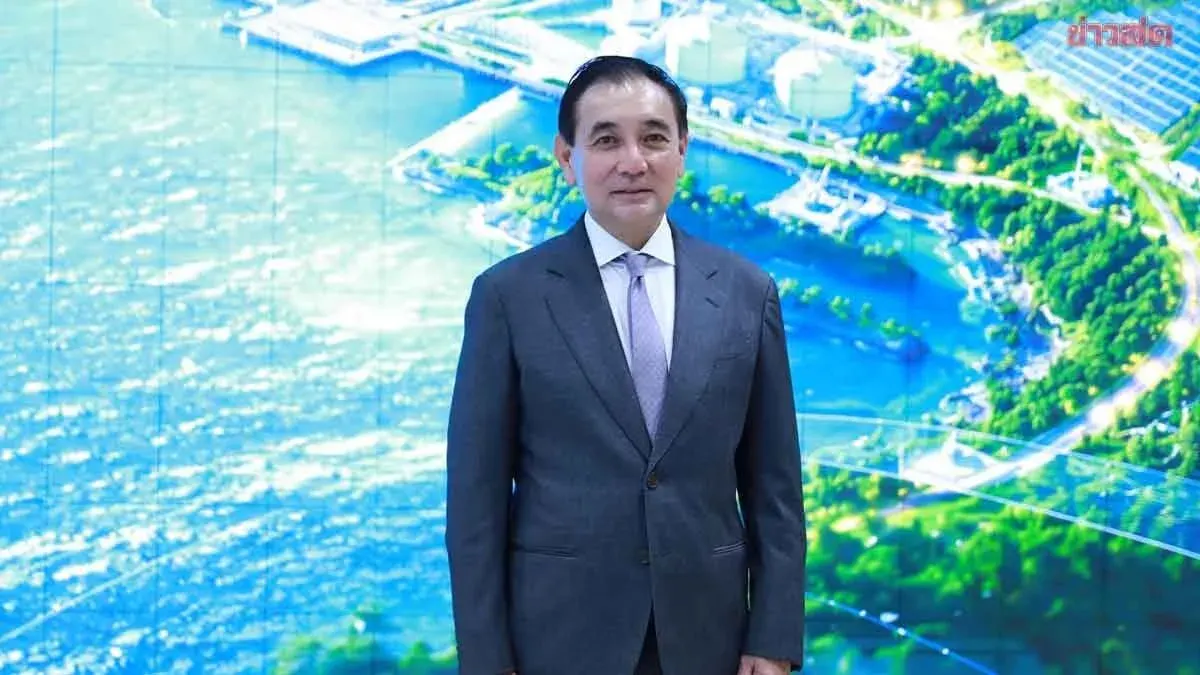
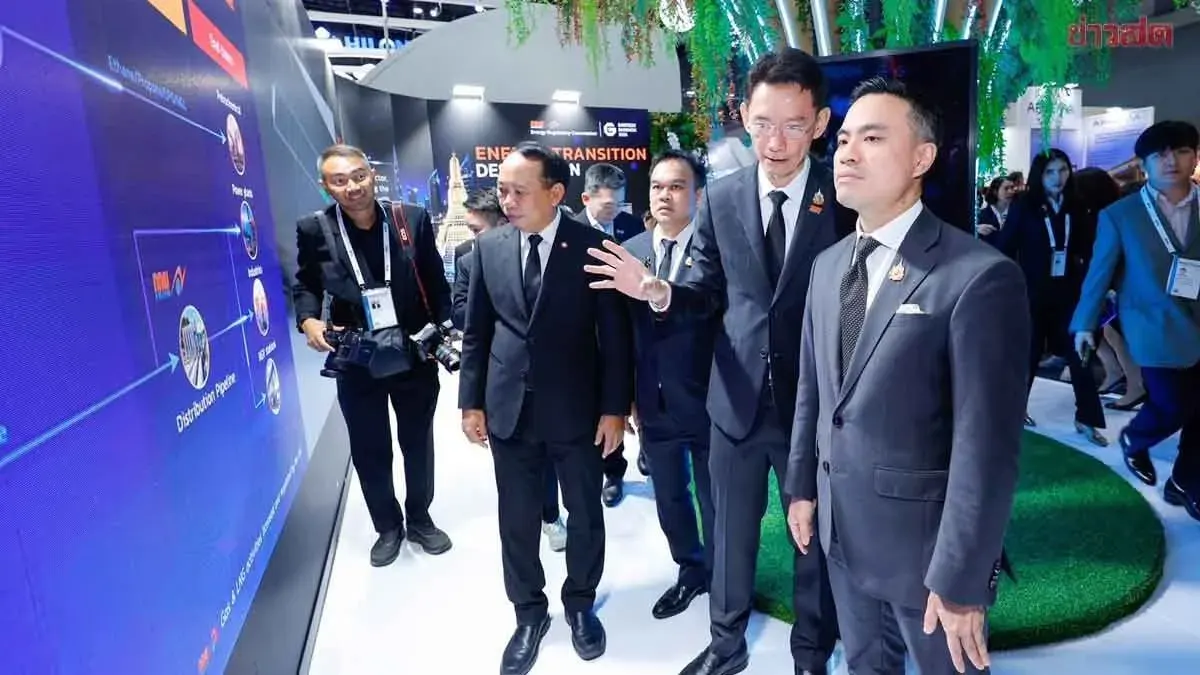
Thailand's Energy Ministry, in partnership with DMG Events, launched Gastech 2026, a global conference and exhibition on natural gas and energy, marking the first time the event has been held in Thailand since 2008. Energy Minister Eknath Promphand opened the event and announced the Bangkok Dialogue, a policy-level forum bringing together global energy leaders to establish directions for secure, flexible, affordable, and equitable energy systems amid major shifts in the global energy industry.
The ministry highlighted Thailand's potential as Asia's energy hub, leveraging its strategic location in Southeast Asia, strong industrial base and infrastructure, advanced production technology, skilled workforce, and experienced energy companies. Rather than merely hosting the event, Thailand positions itself as a strategic partner in developing future energy solutions and strengthening regional cooperation.
To secure long-term natural gas supply and energy security, Thailand is preparing to launch the 26th petroleum exploration and production licensing round, covering over 60,200 square kilometers in the Gulf of Thailand and Andaman Sea, inviting foreign investors and partners to participate. Global natural gas demand is projected to remain high at approximately 4,300 billion cubic meters annually, according to the International Energy Agency.
Thailand is accelerating expansion of its liquefied natural gas infrastructure to meet rising regional energy demand, increasing LNG capacity from the current 19 million tons per year to 27 million tons per year, while opening cooperation with international partners on supply, procurement, innovation, storage tank development, and value-chain investment.
On energy transition, Thailand is advancing toward carbon neutrality and net-zero emissions by 2050, recognizing that reducing greenhouse gases requires diverse technologies, particularly low-carbon solutions for hard-to-abate industrial sectors, including hydrogen, ammonia, and carbon capture and storage. The Arthit CCS Pilot Project recently achieved final investment decision, marking Thailand's first CCS project and a significant step toward developing the Eastern Thailand CCS Hub—infrastructure for shared carbon capture and storage to support multiple industries.
The Energy Ministry emphasized that building energy security alongside clean energy transition is not a short-term task but requires technology, innovation, investment, and international cooperation to turn energy challenges into opportunities and create a secure, sustainable, and accessible energy system for the future.