GULF Chief: LNG Price Surge Temporary, Eyes Thailand as Asia Hub
GULF's CEO says recent LNG price surges are temporary amid Middle East tensions, and proposes positioning Thailand as a regional LNG trading hub for ASEAN to boost competitiveness and economic growth.
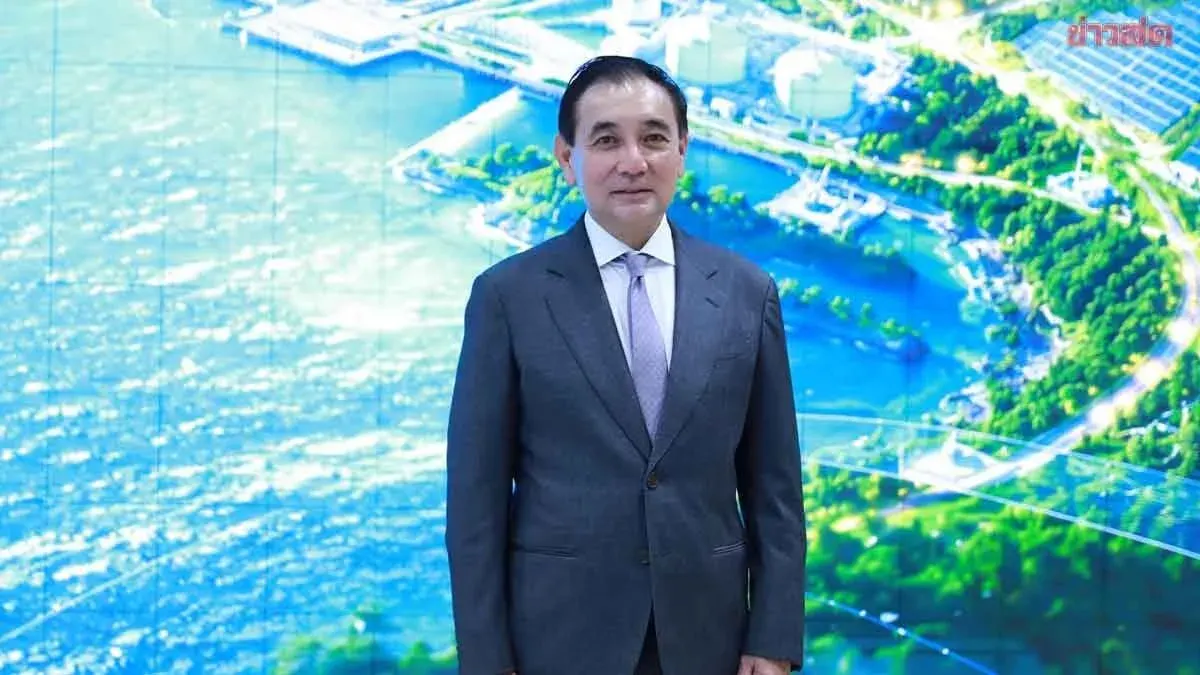
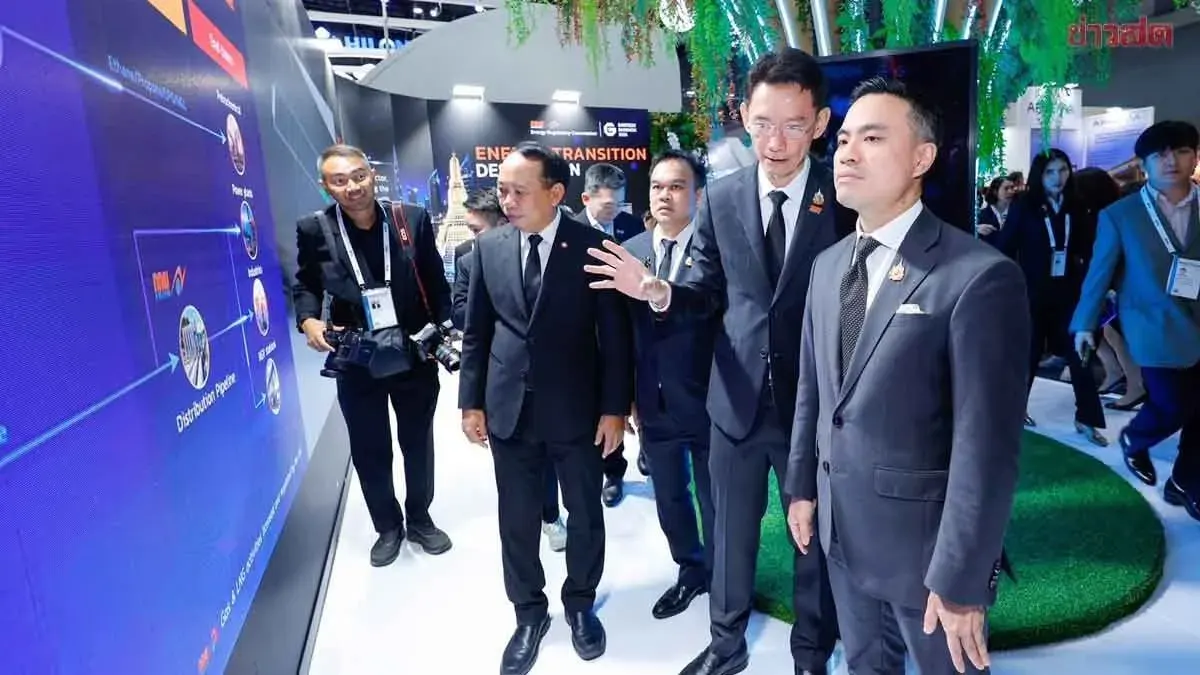
Saratchai Ratanavadit, chief executive of Gulf Energy Development (GULF), outlined energy market directions following attendance at Gastech 2026, noting the global LNG market maintains high supply levels and is expected to keep expanding. Supply sources are becoming more dispersed across the US, Africa, Europe, and Asia, reducing the long-term risk of LNG shortages and sharp price spikes.
Regarding spot LNG prices that have risen to $28 per million British thermal units, Saratchai views this as a short-term impact from Middle East tensions, oil production disruptions, and market psychology rather than fundamental supply-demand changes. He believes the situation will normalize.
Saratchai stated that GULF manages LNG procurement risk by diversifying import sources, importing over 50 cargoes last year and over 70 this year from multiple regions, shielding it from significant Middle East conflict impacts. He sees an opportunity for Thailand to upgrade its LNG infrastructure into a regional trading and export center for ASEAN. GULF's two LNG storage terminals meet high standards, and developing export support systems to neighboring countries could add value and boost national competitiveness.
On electricity policy, Saratchai supports negotiating adjustments to renewable energy purchase adders, as technology costs have fallen significantly. He also backs Direct Power Purchase Agreements between generators and consumers as a key mechanism for liberalizing the electricity market, noting both technology and market demand are now ready.
The new Power Development Plan targeting carbon reduction and net-zero emissions is positive, but expanding renewable energy must account for land constraints, legal limits, grid connection challenges, and network stability to avoid system inefficiencies.
Regarding specialized data center electricity rates, Saratchai believes they merit consideration given high power and water consumption, but rates must remain competitive with neighboring countries to prevent investor relocation and rising AI processing costs ultimately passed to consumers. The reported 5–6 baht per unit figure is preliminary; final terms await government conclusion.
Saratchai also expects Thai economy improvement in the second half from government stimulus measures, with political stability and clear economic policy remaining crucial for building investor confidence and attracting foreign investment.