Government Announces Four Measures to End Udon-Pathumwan Campus Rivalry
The government announced four measures to end the deadly rivalry between Udon Thani and Pathumwan universities, including suspending classes for three months and relocating Udon Thani's campus after a violent incident at BTS Siam station th
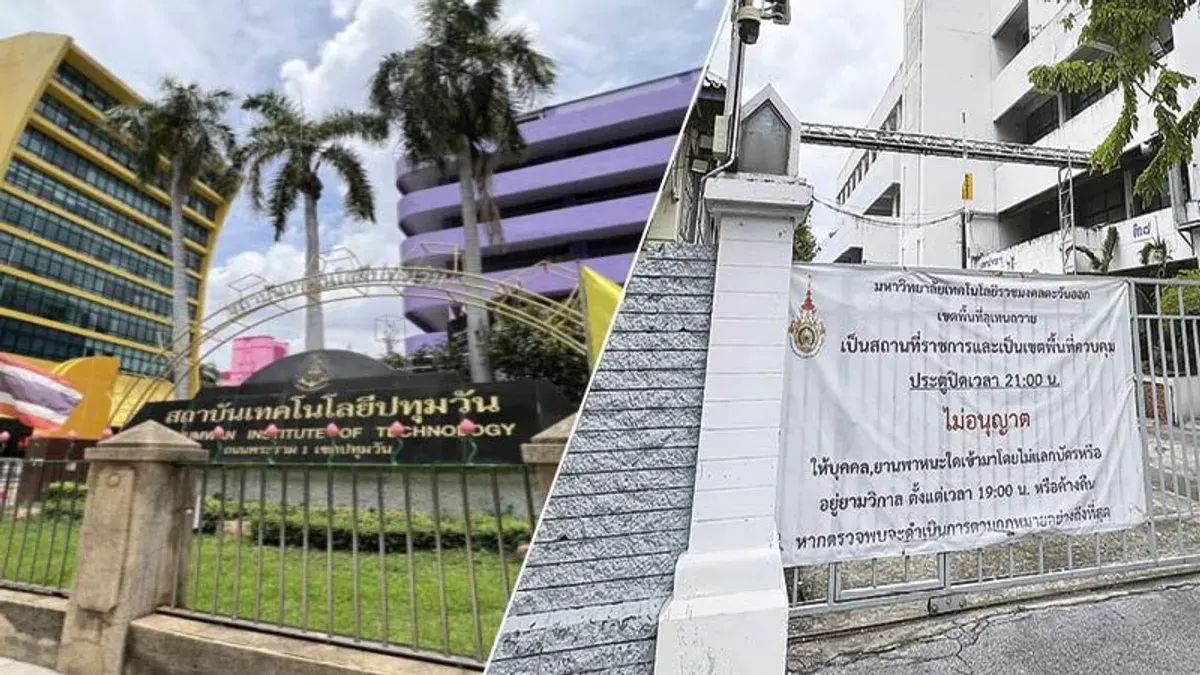
The rivalry between Udon Thani and Pathumwan universities has achieved legendary status because it is far more than a simple dispute between students at two institutions. It represents accumulated tensions passed down through generations, institutional pride, cycles of revenge, and an escalation from personal conflict to group violence, ultimately injuring and even killing uninvolved bystanders. The incident at BTS Siam station on September 7 was a dangerous signal because the Pathumwan-Siam Square area is downtown Bangkok's heart, serving as an education hub, commercial zone, tourist destination, and transport network used by millions daily. When violence occurs, the damage extends far beyond the two parties involved, threatening public safety, national image, the economy, and tourist confidence. Previous government attempts to resolve the crisis have included adjusting school schedules, staggering class times, reducing confrontation opportunities, forming dispute resolution committees, and seeking new campus locations for Udon Thani. However, the critical problem has been slow implementation alongside unrelenting violence. Deputy Prime Minister and Higher Education Minister Yosthanan Wongswaddi's announcement of four measures represents an escalation from compromise to decisive problem-solving. These measures include suspending classes in the dispute area for at least three months to immediately stop the risk, urgently establishing temporary and permanent alternative campuses for Udon Thani, requiring Pathumwan to develop a transition plan linking education with industry, and developing the original area as an education, innovation, and public benefit zone rather than allowing it to become commercial space. Those who have directly experienced the problem see these four measures as the correct approach, because solving it requires more than just separating people—it requires separating locations, eliminating opportunities for confrontation, and building new futures that allow both institutions to continue forward. However, the deciding factor in whether the legend of Udon-Pathumwan violence truly ends rests not on commands or measures discussed in conference rooms, but on actual implementation. Although closing the chapter on this two-institution conflict is not easy, the time has come for downtown Bangkok to transform from a zone of conflict and dispute into a safe area that builds the future, creates innovation, and serves all Thai people. All eyes now turn to whether these four measures can be fully realized. If they succeed, it will mean more than ending the feud—it will mean restoring safety to Bangkok and elevating educational quality simultaneously.