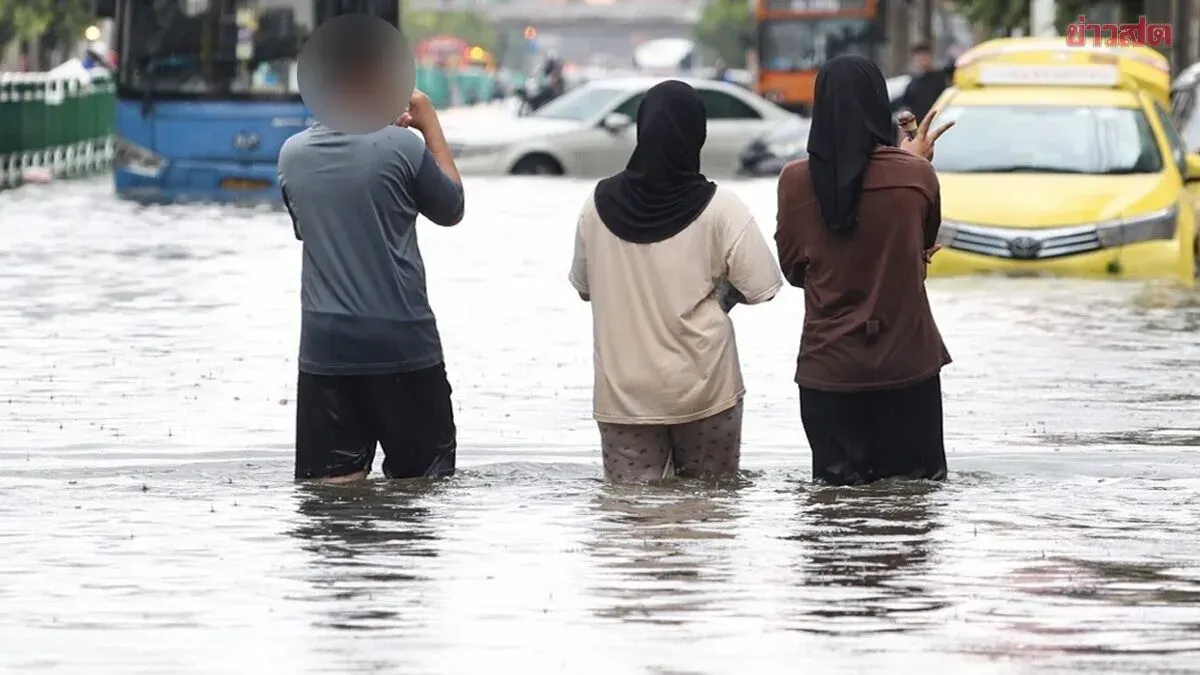
How to Read Weather Radar Colors: A Simple Guide
The Thai Meteorological Department released a guide explaining how to interpret weather radar colors in its Forecast app, using a color scale from blue (no rain) through green, yellow, and orange to red and purple (extremely heavy rain) to
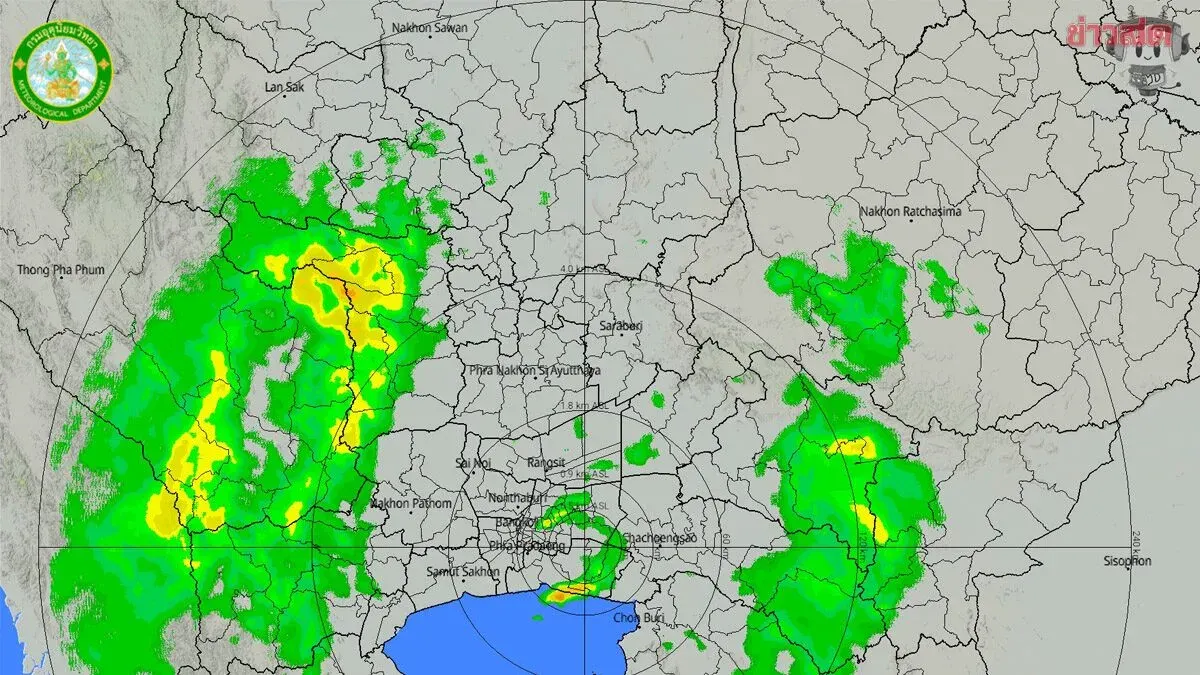
The Thai Meteorological Department has released an easy-to-understand guide on how to interpret weather radar colors through the TMD Forecast app, helping the public plan their day more effectively for travel and business. Weather radar is a tool that detects rainfall by reflecting radio waves, displaying results as colored images on a map to show the location, intensity, and direction of rain movement.
The color scale represents rainfall intensity: - Purple/light pink: Extremely heavy rain (over 100 mm) - Red: Heavy rain (50-100 mm) - Orange: Moderately heavy rain (12.5-50 mm) - Yellow: Moderate rain (3-12 mm) - Green: Light rain (under 3 mm) - Blue: No rain, cloudy or overcast skies
How to read radar colors: - Blue means no rain, though clouds may be present and skies are hazy - Green indicates light or scattered rain, with light drizzle; it may get slightly wet but travel is possible with an umbrella - Yellow shows moderate rain with increased precipitation, slippery roads, and reduced visibility; drivers should exercise caution - Orange means fairly heavy rain with continuous downpours, possible flooding in some areas; low-lying areas should be avoided - Red indicates very heavy rain with strong downpours, risk of flash flooding, poor water drainage, and low visibility - Purple or light pink signals extremely heavy rain or severe storm cells, often with intense downpours, sudden flooding risk, strong winds, and possible thunderstorms
Technical tips for using radar effectively: - If green to yellow rain bands are moving toward your area, rain may occur shortly - Expanding orange to red areas indicate intensifying rainfall - When rain systems move away, rainfall may weaken or stop - Watch the direction of movement alongside the colors, not just the current position
Reading weather radar correctly helps the public access meteorological information more easily and plan their daily activities more effectively, including travel, business, and weather preparedness.