Indonesia Closes Seven Airports as Krakatau Ash Disrupts 341,000 Travelers
Mount Anak Krakatau's eruption has forced the closure of seven Indonesian airports, disrupting over 341,000 travelers as volcanic ash blankets Jakarta and surrounding regions. The main hub Soekarno-Hatta International Airport will remain cl
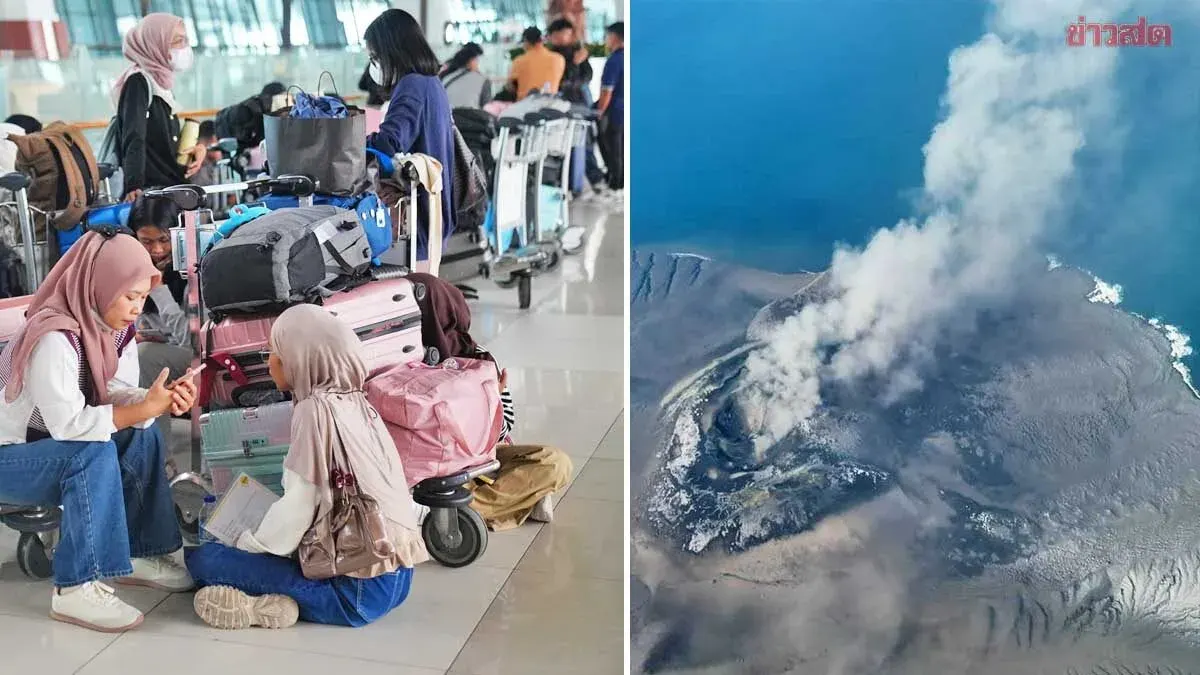
Mount Anak Krakatau continues to erupt, affecting air traffic across Indonesia. Seven airports, including two major facilities in Jakarta, remain closed due to volcanic ash, impacting more than 341,000 travelers. Indonesia's chief infrastructure minister, Agus Harimurti Yudhoyono, stated that around 341,000 people have been affected by delays, diversions, or cancellations of 2,961 flights.
Volcanic ash from the mountain in the Sunda Strait between Java and Sumatra in Lampung Province has covered Jakarta and surrounding areas since Friday, prompting airport closures for safety reasons. The eruption sent ash as high as 6,000 meters above Java's coast and 15,000 meters above Sumatra and parts of Banten Province. Volcanic experts warn that ash containing sulfur and silica can damage aircraft engines and severely reduce visibility.
Transportation Minister Dudi Purwanto announced that Soekarno-Hatta International Airport, Jakarta's main hub, and six other airports will remain closed until 11:59 p.m. Monday local time to allow for runway cleaning and aircraft maintenance preparation.
President Prabowo Subianto held a remote meeting with officials regarding the volcano eruption, along with an August 15 earthquake that killed over 130 people in eastern Indonesia and ongoing wildfires. "This is our destiny," Subianto said, referring to Indonesia's location on the Ring of Fire. He emphasized the need for additional helicopters and water pumps to address future disasters.
Mount Anak Krakatau, one of Indonesia's 130 active volcanoes, means "child of Krakatau." It emerged roughly a century ago from the site of the original volcano, which destroyed itself in a catastrophic 1883 eruption that killed over 36,000 people through resulting tsunamis. The volcano triggered a tsunami again in 2018.