Khao Samphoetchai Registered as Thailand's 29th Fossil Site
Thailand's Department of Natural Resources has officially registered Khao Samphoetchai in Lopburi Province as the country's 29th protected fossil site, with plans to develop it for conservation, research, and geotourism while benefiting loc
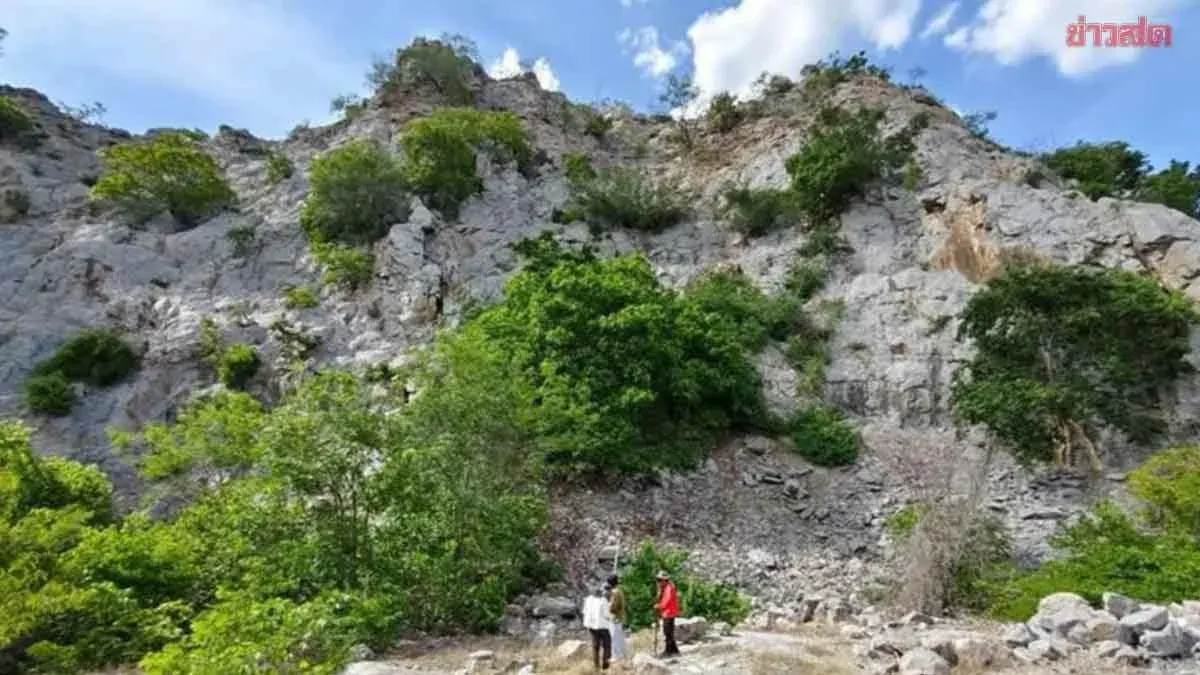
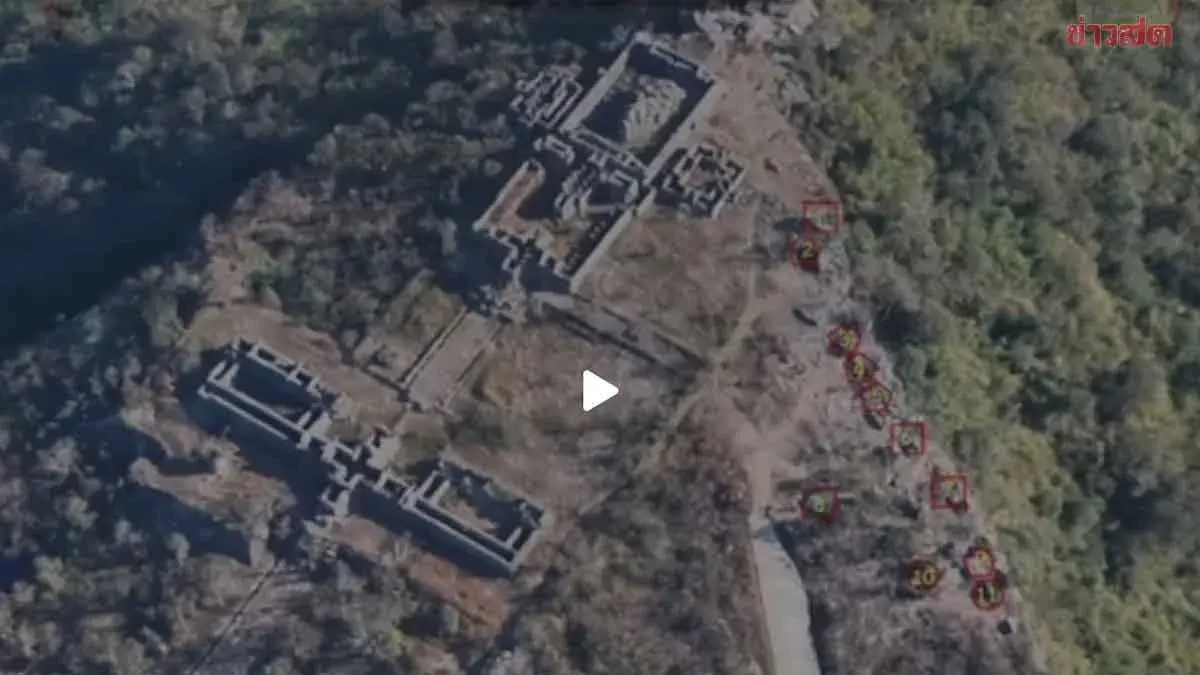
Lopburi — Thailand's Department of Natural Resources has approved the registration of Khao Samphoetchai (Khao Rabop Hin) as the country's 29th registered fossil site and is moving forward with integrated development encompassing conservation, research, tourism, and sustainable community benefits.
On September 15, 2026, Natural Resources and Environment Minister Surachet Chomkling advanced the preservation and development of the nation's paleontological sites. Under direction from Secretary-General Rawiwun Phuridet, Deputy Secretary-General Nippon Jamnongsirisak chaired the Protected Paleontological Sites Committee's second 2026 meeting.
The committee approved a draft integrated development plan for the Alatoconchid bivalve fossil site at Khao Samphoetchai in Chai Badan District, Lopburi Province. The plan sets out four development directions: conservation, education and research with knowledge transfer, infrastructure and utilities development, and tourism with community economics.
The committee also approved the registration of Khao Samphoetchai as Thailand's 29th protected fossil site, covering 41 rai, 2 ngan, and 48.4 square wah under the Paleontological Remains Protection Act of 2008. A departmental announcement with accompanying maps will be issued, and the secretariat will proceed with implementation.
The registration of Khao Samphoetchai as the 29th fossil site represents a significant step in protecting the nation's geological heritage. The site will serve as a center for learning and research on paleontology while promoting geotourism and creating systematic benefits for local communities, ensuring the site's value is preserved for both knowledge and sustainable public benefit.