Malaysia's 5.6B Baht SEA Games Budget Sparks Thai Alarm
Malaysia will spend 5.6 billion baht on the 34th SEA Games, nearly double Thailand's previous hosting budget, and has dropped several sports where Thailand traditionally excels. Thailand's Olympic Committee warns that host-favoring rules and a domestic funding crisis threaten Thai athletes' preparation for both the SEA Games and the 2028 Olympics.
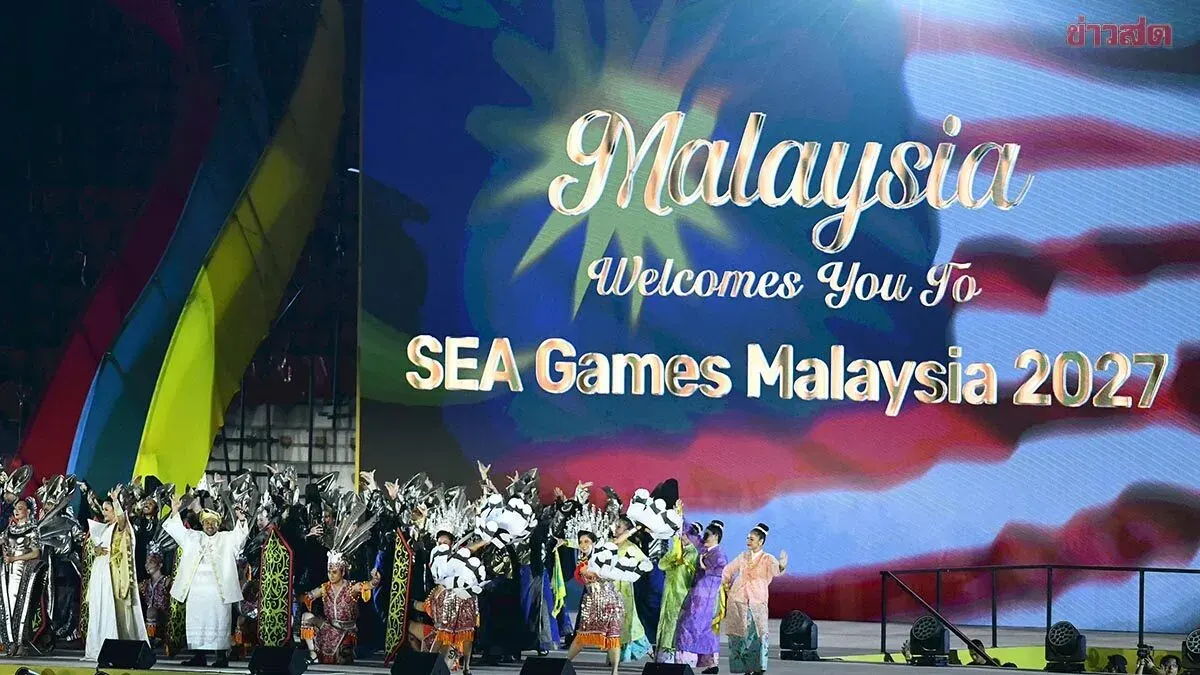
Host Malaysia has confirmed 43 sports and 473 gold medals for the 34th SEA Games, following the third SEA Games Federation Executive Committee meeting. The Malaysian government has allocated up to 700 million ringgit (approximately 5.6 billion baht), nearly double the 2.3–2.4 billion baht Thailand spent when it last hosted. The massive budget stems from Malaysia's disappointment at the previous Games, where its medal haul lagged far behind Thailand. Funds will go to all 43 sports associations for development projects, coaching changes, and long-term overseas training camps in Europe, Australia, Japan, and China, with additional billions earmarked for final preparation in 2027.
Malaysia has used its host prerogative to drop sports where its athletes are weak or have little medal prospect, unavoidably affecting Thailand. These include yachting — where Thailand won 14 golds last time — rowing, canoeing, modern pentathlon, women's boxing, women's futsal, and women's water polo. Concerns also loom over the 'Technical Handbook,' which the host could manipulate to its benefit, such as limiting foreign entries in sports like teqball while allowing full Malaysian participation. Thai sports associations must urgently coordinate with international and Asian federations to ensure fair rules.
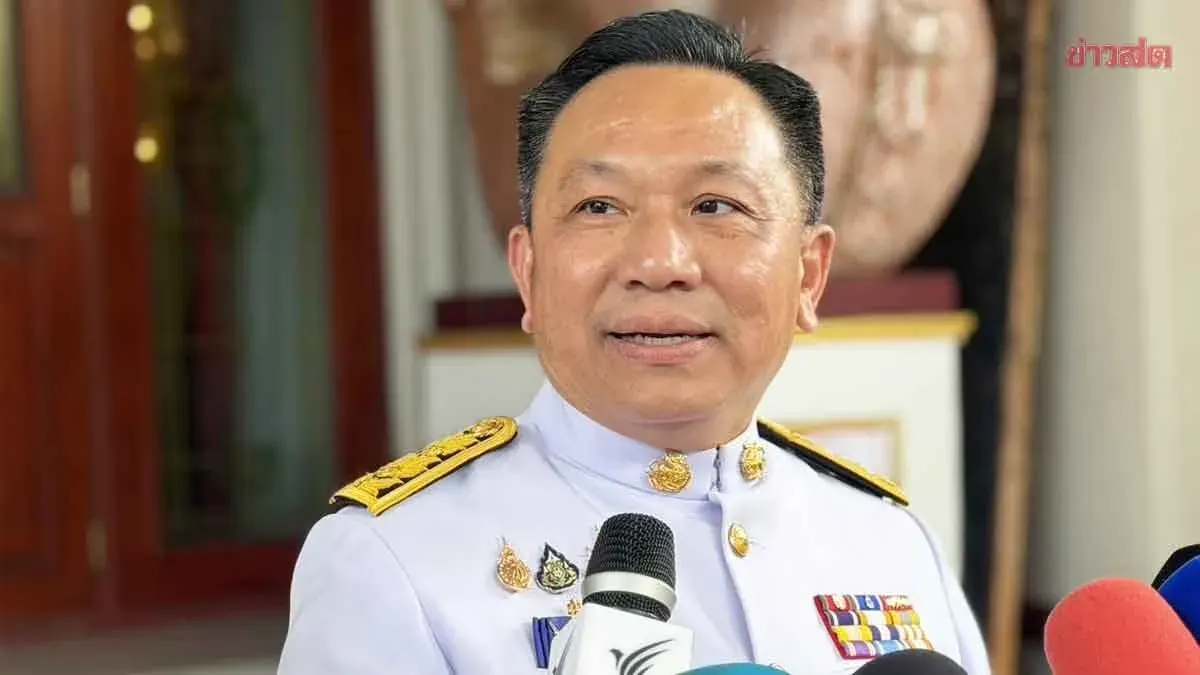
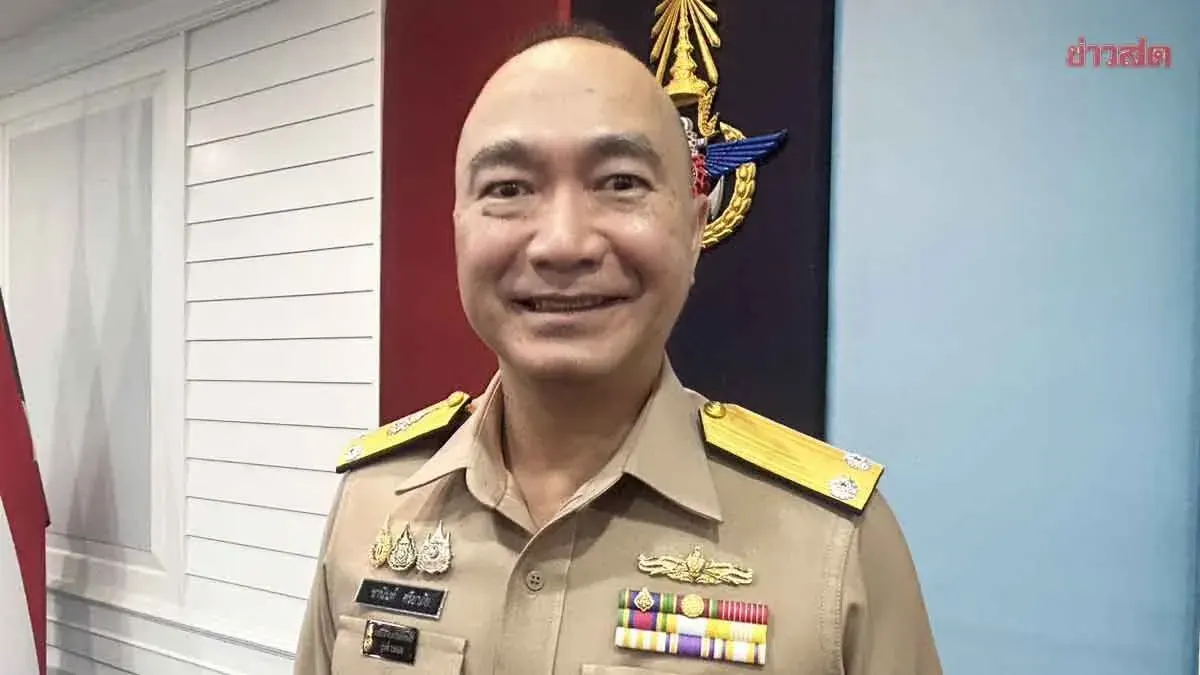
The Thai Olympic Committee vice president reiterated that despite the reduced gold medal count, retaining the overall championship remains a major challenge. Thai athletes have roughly 9–10 months to prepare. However, Thai sports face a budget crisis from the National Sports Development Fund allocation, directly impacting training camps — critically so next year when the SEA Games is the sole major event before the 2028 Los Angeles Olympics qualifiers. 'If we want success at the 2028 Olympics, the state and the Tourism and Sports Ministry must urgently secure sufficient training budgets for high-potential sports. Sending unprepared athletes without proper camps will not only yield failure but also waste the nation's opportunities.'