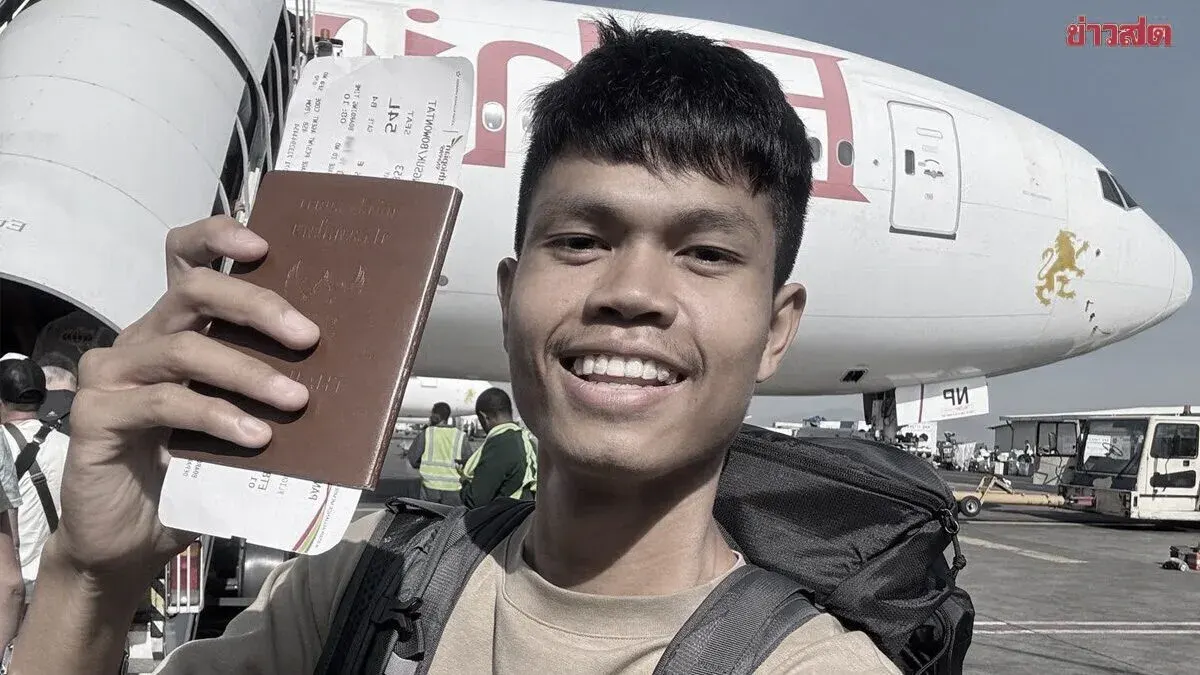
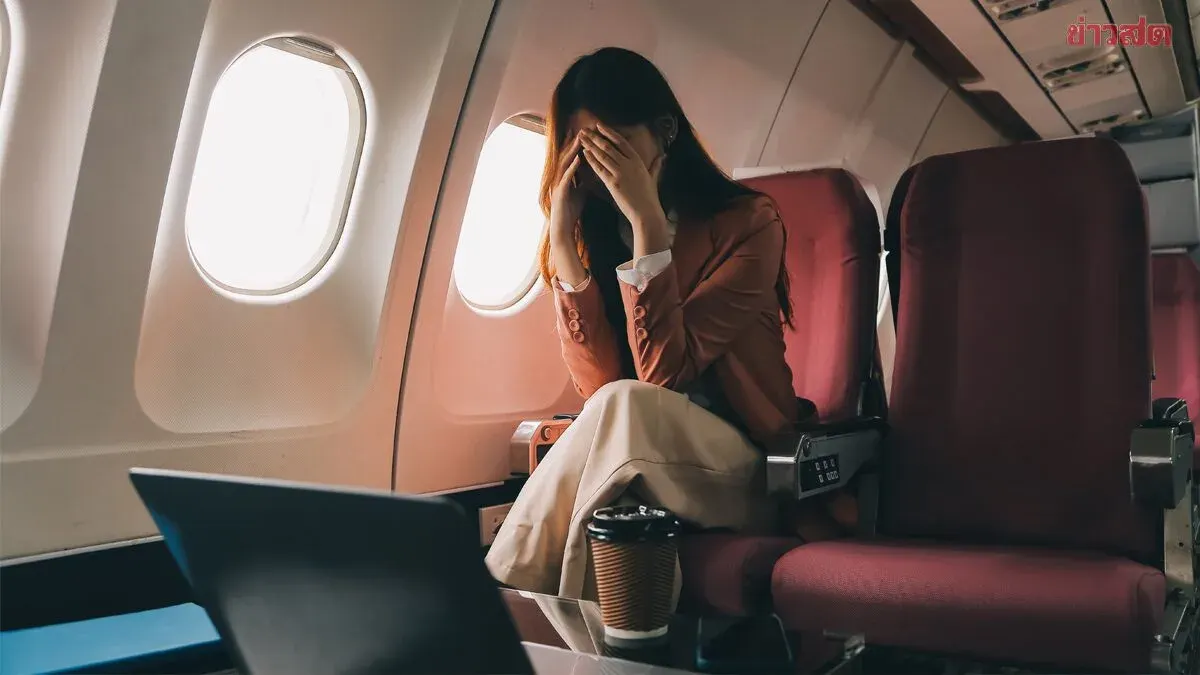
A 30-year-old Chinese woman died from a blood clot that formed during an 11-hour flight from New Zealand, prompting doctors to warn that prolonged immobility during travel significantly increases the risk of potentially fatal pulmonary embo
A 30-year-old Chinese woman died suddenly after a 11-hour flight. Doctors identified the cause as acute pulmonary embolism (PE) and warned of the dangers of prolonged immobility, medically known as economy class syndrome. This condition can occur not only during air travel but also with long-distance driving, train travel, or extended office work.
According to reports, a 30-year-old woman named Li, living in China, was returning from New Zealand on an 11-hour flight. The aircraft landed at Guangzhou Airport in China. However, less than 10 minutes after disembarking, she collapsed and lost consciousness. Emergency responders rushed to help and transported her to the hospital.
Doctors found she had ventricular fibrillation before her heart stopped. Although the medical team attempted full resuscitation, the young woman could not be saved.
Dr. Peng Yin, head of the intensive care unit at the hospital, stated that the primary cause of death was acute pulmonary embolism, a severe cardiovascular emergency.
Upon reviewing her medical history and risk factors, doctors found that she had old blood clots in her lower leg area. Her body mass index (BMI) was above 28, classifying her as overweight to obese, and she was physically inactive. The need to remain seated for 11 hours in a confined space became a critical factor in triggering this serious event.
Doctors explained that her case falls under venous thromboembolism (VTE). When the body remains immobile for extended periods, blood circulation slows, causing blood to stagnate and increasing the risk of deep vein thrombosis (DVT), particularly in the legs. When passengers stand up and begin moving after travel, blood clots can break loose from veins, return to the heart, travel through arteries to the lungs, and cause pulmonary embolism (PE), which can be life-threatening.
This condition is known in the medical field as economy class syndrome because it commonly occurs from prolonged immobility during travel. However, Dr. Hua Cui, a cardiovascular specialist from an air force hospital in eastern China, noted that the risk is not limited to aircraft alone. Long-distance driving, train travel, or even prolonged office work can increase the risk of pulmonary embolism.
Research indicates that sitting continuously for 3 hours may increase the risk of blood clots by approximately 4 times, and sitting for 5 hours can increase the risk up to 10 times.
Experts warn of 4 high-risk groups for whom prolonged sitting may lead to serious complications. Pulmonary embolism can have a mortality rate exceeding 50% in high-risk groups. Doctors Peng and Hua identified these 4 risk categories.