Murder Weapon Raises Questions About Arms Control
An MP's assassination in Narathiwat was committed with a government-issued M16 rifle officially recorded as destroyed, prompting parliament to investigate whether security agencies lost control of state weapons and exposing potential gaps i

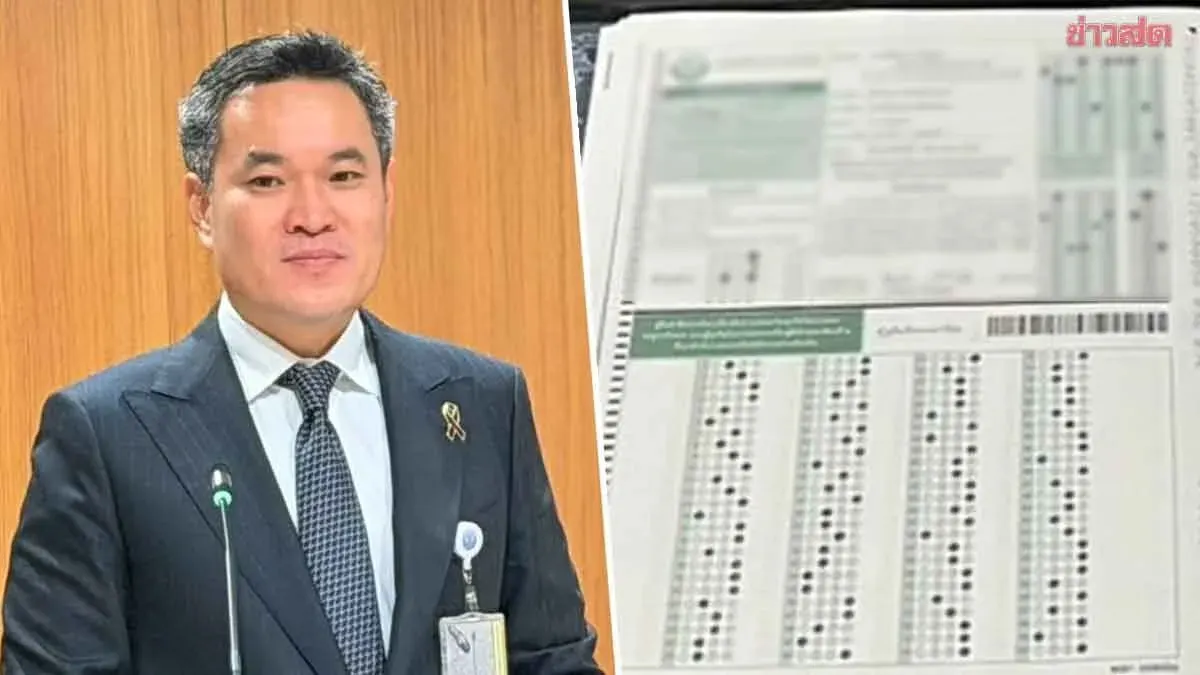
The assassination of Kamomsak Leewamoh, a Narathiwat MP from the Prachajon Party, was initially treated as a complex political crime. But when investigators found that the murder weapon was a government gun officially recorded as decommissioned and destroyed, the case shifted from ordinary crime to a fundamental challenge to state arms control systems and the credibility of security agencies.
The parliamentary committee on law, justice, and human rights, led by Rangsiman Rom, is preparing to visit the Royal Thai Navy Armament Department and will summon the department chief and naval command officials for questioning. This is not a routine administrative review but a full accounting of the weapon's path—from receipt and distribution through return, inspection, decommissioning, destruction, and burial sites.
The critical question centers on an M16A1 rifle, serial number 8122935. If records show the gun was returned and destroyed, how did that same weapon end up in a killer's hands? Multiple scenarios are possible: forged documents, inadequate inspection procedures, weapon substitution, or unauthorized removal from the system and subsequent sale. All such possibilities pose a direct threat to national security.
Moreover, if government weapons can leak into circulation and be used to assassinate politicians, it raises a disturbing question: how many other weapons remain missing from state inventories and in the hands of powerful interests, criminal networks, and illicit groups? The committee's investigation is therefore not about a single gun but about exposing weaknesses in the entire arms control system, determining who is responsible, and identifying what reforms are needed.
Previous investigative leads also suggest this crime was carefully planned, executed by multiple actors across a network chain of command, and potentially involves security officials and the role of the coup makers. The public is watching to see whether the case will stop at the operatives who pulled the trigger or expand to reveal the masterminds behind the assassination.
The case against Kamomsak's killers will ultimately test whether Thailand's justice system can trace networks to their source. Citizens should closely follow every development because the final verdict should not merely name the shooters but expose the true orchestrators and reveal the network connections society has questioned all along.