National Parks Authority Clarifies Lodging Standards, Power Cuts for Wildlife Protection
The National Parks Authority clarified that poor lodging conditions cited by a budget official from a four-year-old visit reflect deliberate conservation measures, including scheduled power cuts at remote island parks to protect wildlife an
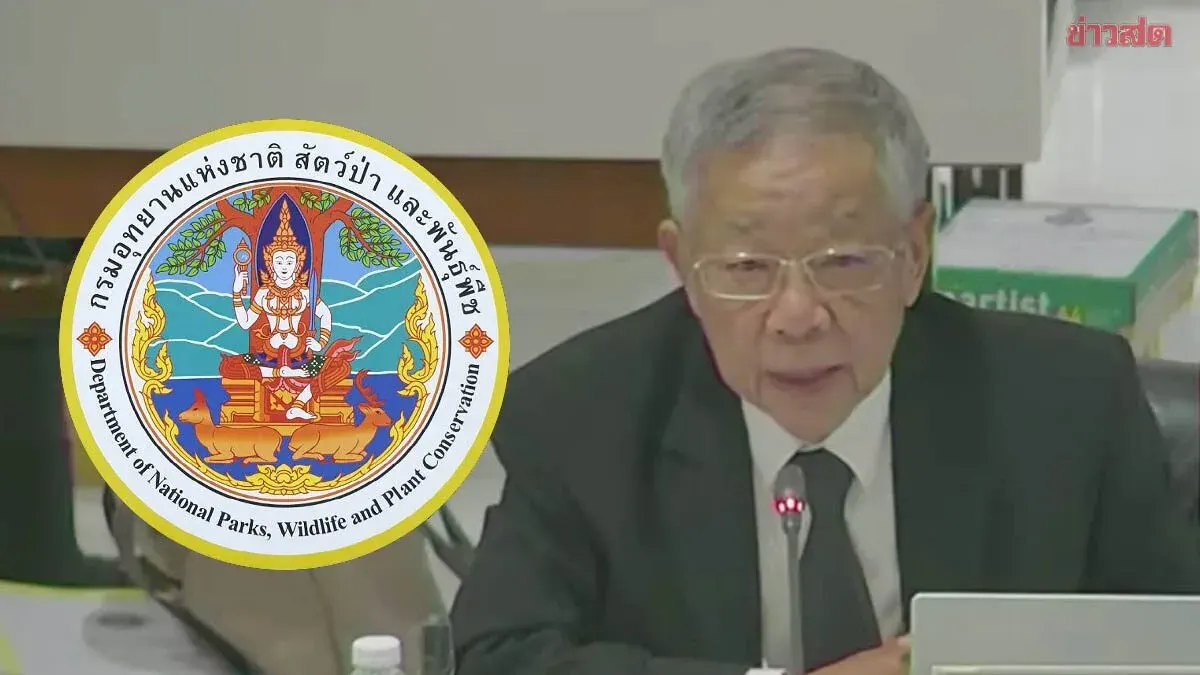
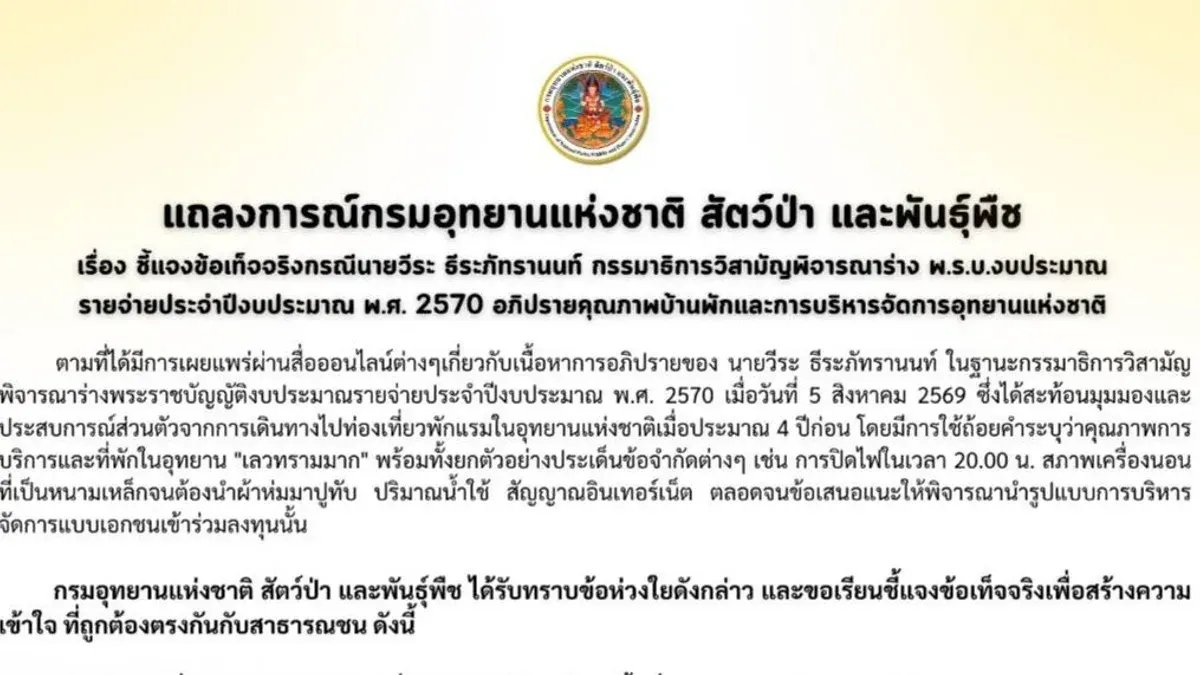
On August 5, 2025, the Department of National Parks, Wildlife and Plant Conservation issued a statement to clarify facts regarding budget committee member Veera Thiraphattananont's criticism of lodging quality and park management at national parks. His comments, based on a visit approximately four years ago, described accommodation as "extremely poor" and cited issues such as lights being switched off at 8 p.m., worn bedding with wire springs requiring blankets for padding, limited water supply, and weak internet signal. He also suggested considering private-sector management partnerships.
The department acknowledged these concerns and provided factual clarifications on three points. First, regarding overnight stays at Similan Islands National Park: in October 2018, the department announced an eight-year closure of island overnight accommodations to shift to day-trip-only visits in order to address garbage and wastewater problems harming the marine environment. The Huayang staff bungalow at Koh Miang, previously open to tourists since 2008, was repurposed solely as staff housing for field operations and official government functions following this closure.
Second, on utility management and constraints in protected forest areas: the department explained that limitations on electricity, water, and communications in remote island and forest zones require careful management within geographic constraints, including the use of solar power systems and scheduled power schedules for safety, energy efficiency, and environmental conservation. Scheduled power cuts also prevent light and noise from disturbing wildlife behavior. The department committed to upgrading staff living standards while improving facilities in tourist service zones.
Third, regarding private-sector partnership proposals: the department noted it is open to receiving such suggestions as a means to enhance service quality alongside government efforts to improve accommodation standards and tourism facilities.