Parliament Committee Plans Transfer of Khok Phanom Di Museum
A parliamentary committee has approved plans to transfer management of the Khok Phanom Di archaeological museum in Chachoengsao province to local authorities, enabling better preservation of the 4,000-year-old Neolithic site famous for the

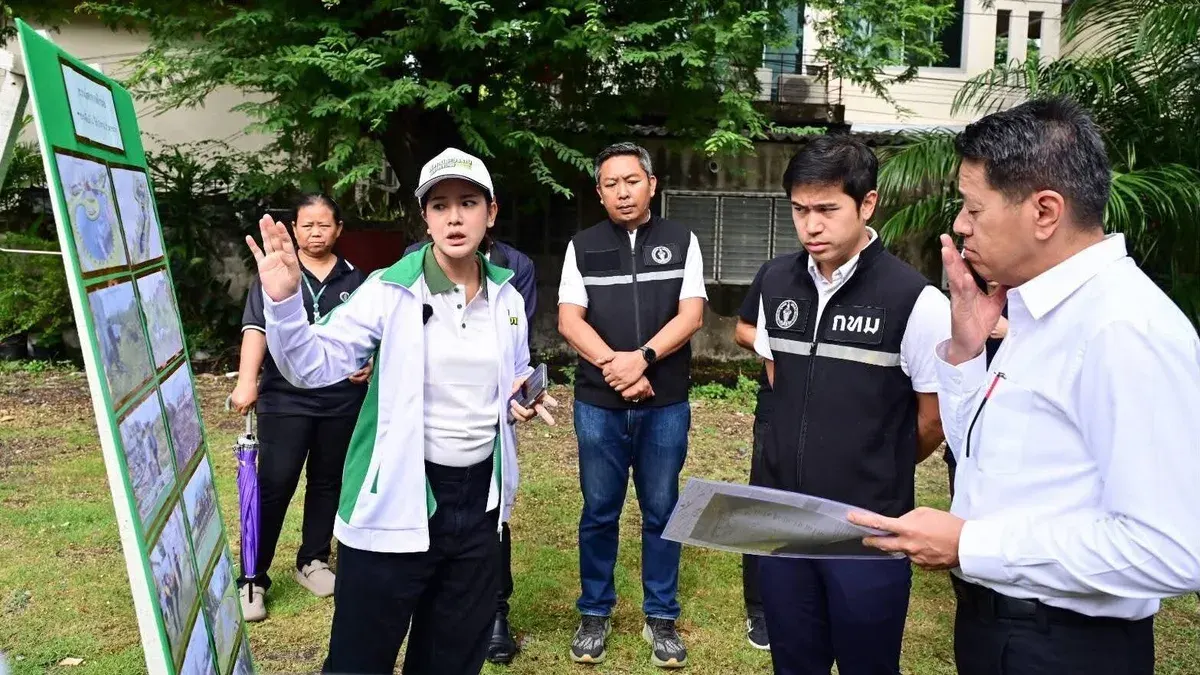
Thailand's Religious, Arts and Culture Committee visited the Khok Phanom Di archaeological site in Panasnikhom district, Chachoengsao province, on September 11 to finalize the transfer of the museum building to local provincial administration. Committee chair Thiwalrat Ankinanthon, a Phetchaburi MP, led discussions with stakeholders including local MPs, provincial officials, the Fine Arts Department, monks, and residents to establish a management framework for the site's long-term preservation.
The meeting concluded that the Fine Arts Department will register the museum building as state property before transferring it to the provincial government, allowing the Chachoengsao Provincial Administration to submit a formal request to assume management and maintenance responsibilities. Documentation for the property and asset transfer will be prepared to enable local authorities to manage, renovate, and maintain the museum with allocated budgets. Thiwalrat emphasized that the committee will accelerate coordination with all relevant agencies to complete the transfer promptly, noting that Khok Phanom Di is not merely a community monument but a nationally significant historical record deserving recognition as a learning resource for future generations.
The Khok Phanom Di site, located in tambon Ta Khram, Panasnikhom district, is a major Neolithic archaeological area marked by a large earthen mound approximately 230 meters in diameter and 12 meters high, covering about 25 acres. Registered as a historical monument in 1984, evidence indicates the site was inhabited 4,000 to 3,500 years ago when it lay near the ancient coastline and Bangpakong River estuary, with inhabitants subsisting on marine resources, wetland products, and fish before developing agricultural settlements.
Significant excavations between 1984 and 1985, conducted jointly by the Fine Arts Department and New Zealand's University of Otago, uncovered more than 150 human burials across multiple periods, along with stone axes, bone tools, pottery, shell ornaments, and abundant marine fauna remains. The most prominent discovery was "the Lady of Khok Phanom Di," a 35-year-old female skeleton approximately 3,600 years old, buried with extensive ornaments including hundreds of thousands of shell beads and pottery-production equipment. Archaeologists believe this woman may have been a high-status potter and played an important role in her community. The site's significance extends beyond skeletal remains, with evidence illuminating the lives of Eastern Thailand's inhabitants millennia ago—their subsistence practices, fishing methods, pottery production, burial customs, and social differentiation—making it a crucial window into prehistoric society.