Parliament Erupts Over Senate Election Fraud Probe
A Democrat MP accused Thailand's Election Commission of gross leniency in prosecuting alleged Senate election fraud, saying only 77 people were indicted despite evidence implicating over 130 senators in systematic vote-trading schemes.
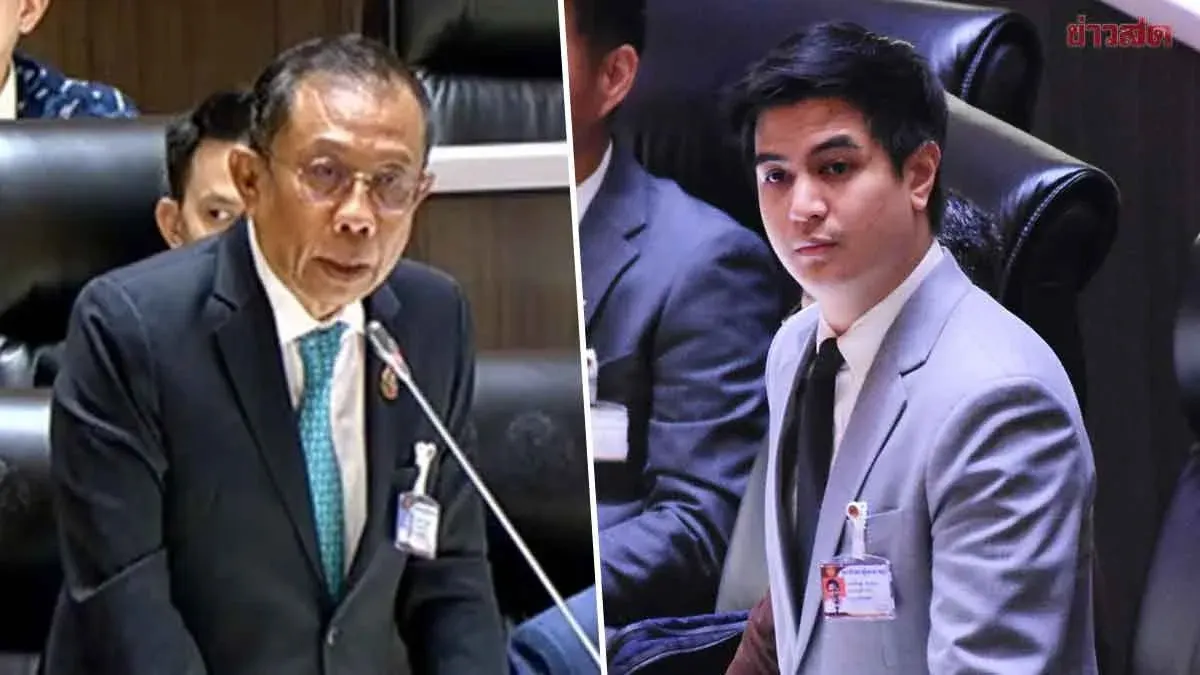
At 10:40 a.m. on September 16 at Parliament, the House of Representatives convened to consider the Election Commission's performance report for fiscal years 2567 and 2568, with Sophon Sararum presiding. Sangsawang Boonmee, the Election Commission secretary-general, presented the report detailing the commission's achievements: In 2567, the commission organized Senate member elections and local elections; allocated 139 million baht in party subsidies under the Political Party Act; and processed 95 cases referred to various courts, with 198 cases dismissed and 394 election-related cases pursued.
In 2568, the commission distributed 143 million baht to parties through the political party development fund; handled 2,541 election challenge petitions comprising 1,919 criminal cases, 4 civil cases, and 15 administrative cases; organized elections for local administrative organizations at 2,462 locations; and conducted four supplementary House elections.
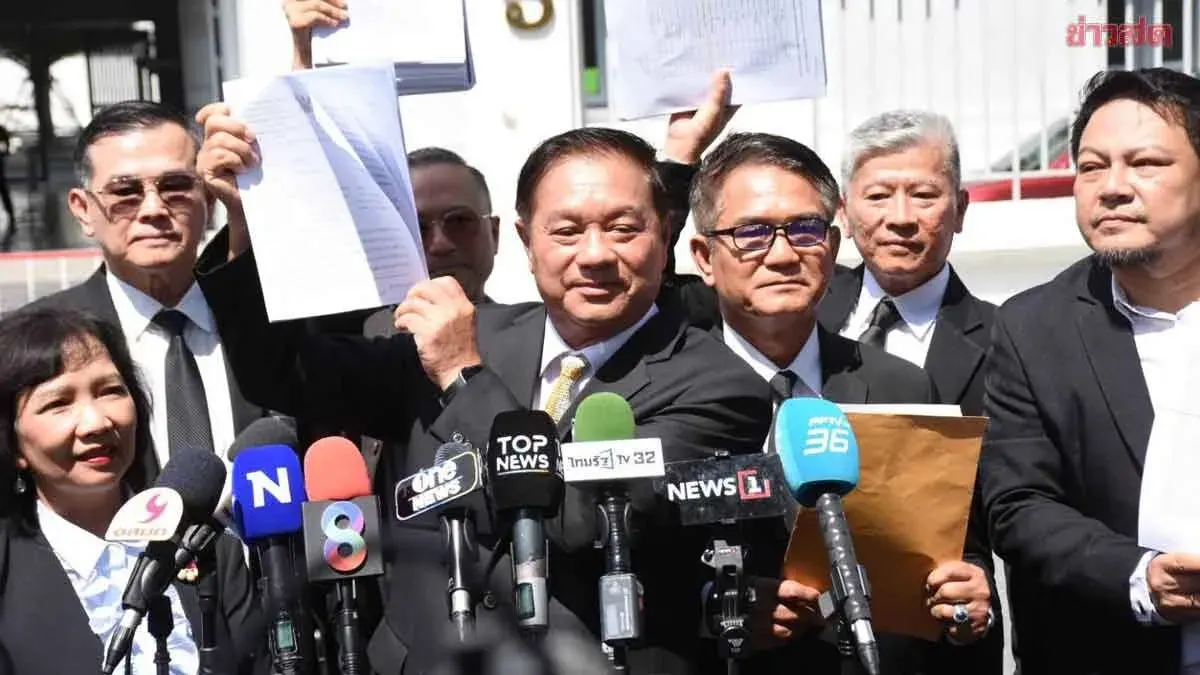
Priset Wattharsin, a Democrat Party list MP, then criticized the commission's majority decision, stating that while massive evidence pointed to systematic Senate election fraud, the commission's decision to indict only 77 people—including just 26 senators and only one core Bhumjaithai leader—was far too lenient. He noted this was dramatically fewer than the 229 people recommended by the investigation committee and the 140-200 suggested by the deputy secretary-general. Priset argued the commission's majority decision contradicted legal principles and evidence, amounting to dereliction of duty. He characterized the decision as deliberately turning a blind eye to three key points: treating organized fraud as isolated incidents despite evidence of coordination across 12 versions of voting lists involving over 130 senators, national voting statistics confirming systematic vote-trading, and polo-rigging centers where Senate candidates were seen at hotels.