Prime Minister Defends Energy Secretary Pick on Merit
Prime Minister Anutin Charnvirakul defended appointing Chantanan Wankaichon as Energy Ministry permanent secretary on merit, citing his agricultural expertise needed to boost Thailand's bioenergy sector and reduce oil imports while supporti
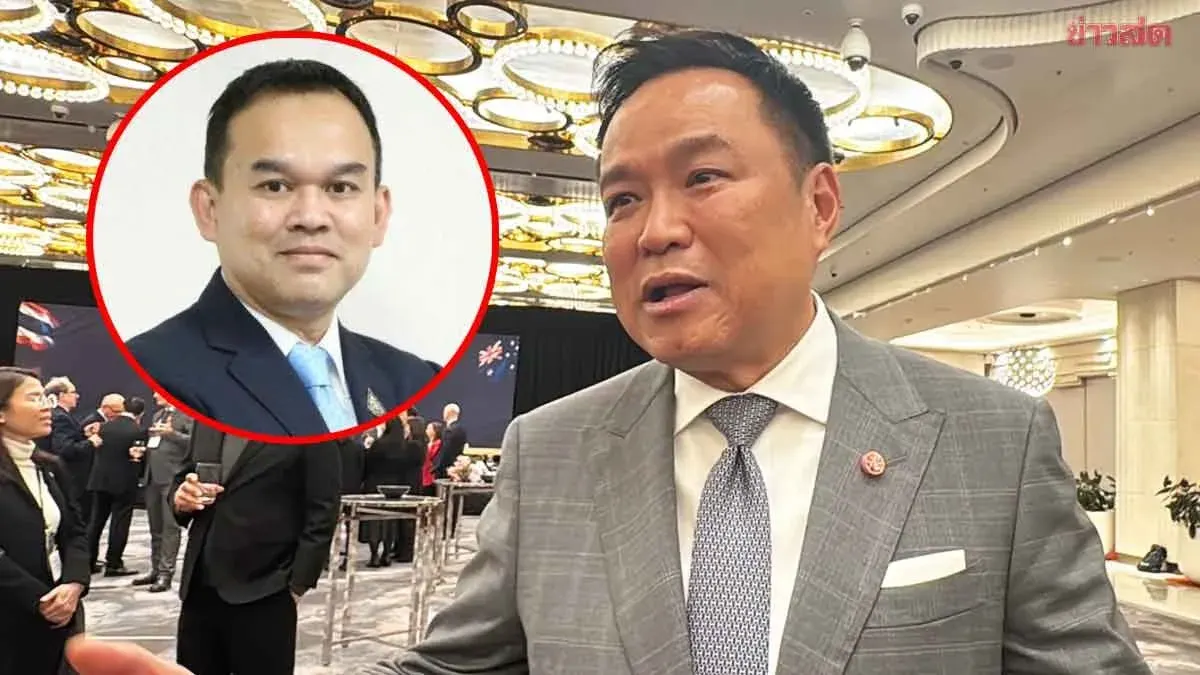
Prime Minister Anutin Charnvirakul on August 18, 2025, defended the cabinet's decision to appoint Chantanan Wankaichon as the new permanent secretary of the Energy Ministry, stating the selection was based on knowledge, ability, experience, and suitability rather than political considerations. The appointment is intended to drive the government's new energy policy initiatives effectively, with particular focus on restructuring Thailand's energy framework to reduce reliance on imported oil and fossil fuels through the promotion of bioenergy, which requires close integration of energy expertise with agricultural production systems.
Anutin noted that Chantanan, who comes from the Ministry of Agriculture and Cooperatives, brings expertise in crop production systems, agricultural supply chains, and market mechanisms directly relevant to elevating agricultural commodities such as palm, sugarcane, and cassava into energy crops. Expanding bioenergy use would reduce oil imports and energy deficits while increasing domestic demand for agricultural raw materials, providing farmers with sustained market support and improved product prices.
The prime minister pointed to biodiesel as a successful example of bioenergy reducing imported oil dependence, and highlighted the aviation industry's growing demand for sustainable bio-jet fuel under global carbon-reduction standards. He characterized the appointment as placing the right person in the right position based on merit rather than politics, as the modern Energy Ministry requires leaders who understand both conventional duties and the government's new challenge of linking clean energy with agriculture, industry, and people's livelihoods. Anutin concluded that with proper policy design, bioenergy development in farmlands and plantations could reduce oil imports, generate farmer income, and strengthen national energy security.