Rangsit Infant Home Opens Model Volunteer Wellness Program
Rangsit Infant Home launched a volunteer wellness program on September 5, 2025, to address staffing gaps at Thai child shelters, with pilot sites now implementing systematic volunteer development and mental health support for vulnerable chi
Thailand has many children who must grow up far from their families through circumstances beyond their control—poverty, drug addiction, or unprepared guardians. Many of these children enter the care of welfare shelters and child-protection facilities nationwide. Though government agencies do their best, staffing constraints remain a major challenge requiring community support and volunteers.
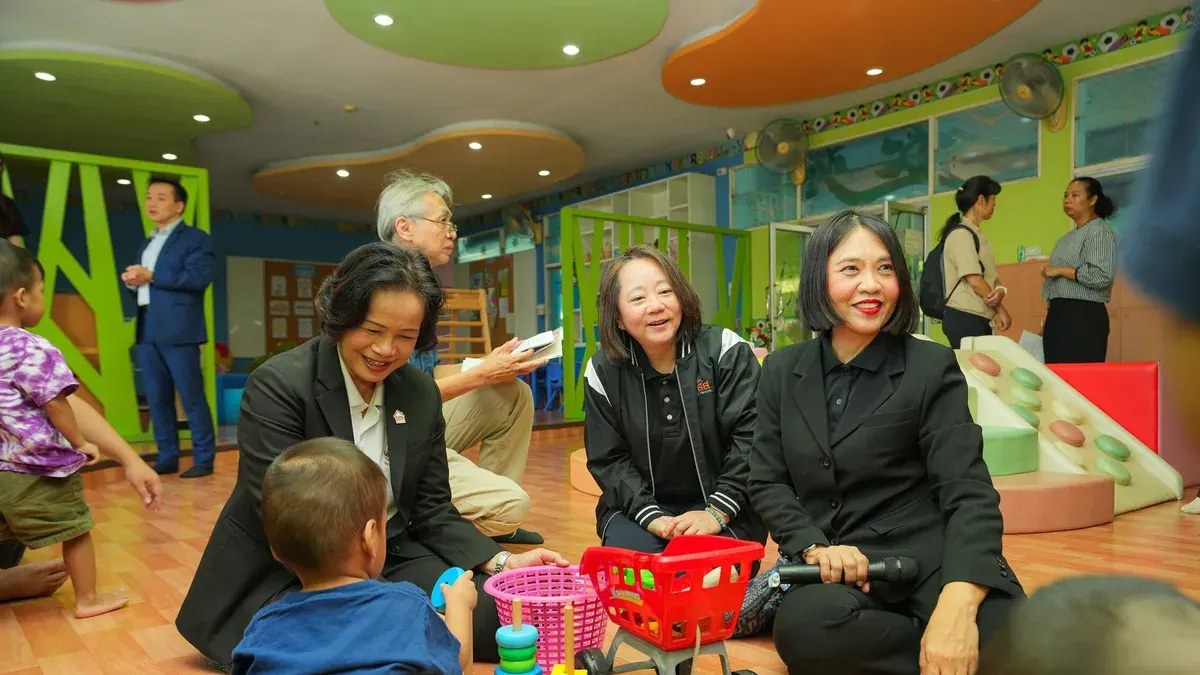
"When shelters open their doors to volunteers, they create space for compassionate people to contribute their own value and fill gaps for children who have lacked opportunity." This principle defined the September 5, 2025 event "Rangsit Infant Home: A Learning Hub for Volunteer Work and Four-Dimensional Wellness" at Rangsit Infant Welfare Home in Pathum Thani province. The gathering united the Health Promotion Foundation, the Department of Child and Youth Affairs, the Ministry of Social Development and Human Security, and the Thai Health Foundation under a project to promote mental wellness and quality of life for children in shelters, positioning volunteers as strategic partners.
Aphinya Chompumash, Director of the Department of Child and Youth Affairs, revealed that Thailand currently oversees 31 state-run and over 700 private child shelters and reception centers. Most children come from families unable to provide care. Although authorities attempt full care, staffing limits prevent close individual attention. The department is partnering with the Health Promotion Foundation and allied organizations to pilot volunteer development at three facilities: Baan Rajawithi Girls' Welfare Home, Rangsit Infant Welfare Home, and Ban Srithammaraj Boys' Welfare Home. They are advancing practices, policy mechanisms, and academic collaboration to make volunteering a systematic part of improving children's quality of life.
"Rangsit Infant Home is our flagship pilot site demonstrating concrete success," Aphinya said. "It will serve as a model learning center for data systems, volunteer activity development, and staff capacity-building to create comprehensive wellness for children, volunteers, and staff alike."
Janee Ratchborihark, Director of the Mental Health Promotion and Media Systems Office at the Health Promotion Foundation, shared that the Foundation's 2025 Child and Family Report shows over 6.2 million Thai children grow up in households burdened by high debt and multiple vulnerabilities. Data from the Social Development Ministry identifies poverty as the leading reason children enter shelters (37.57%), followed by unemployed guardians (9.15%) and guardians unable to care for them (8.88%). These conditions directly affect children's mental health and development. The Foundation therefore partners with allied agencies to continuously promote mental wellness for volunteers and shelter staff.
Results from applying mental health and spiritual wellness practices at Rangsit Infant Home are striking: 80% of children showed better physical and emotional development, while 90% of volunteers and staff felt strengthened human and social connections. Janee explained that spiritual wellness means connecting oneself to others and to society and the wider world, leading to awareness of life's value and meaning.