Nan province faces ongoing recovery from devastating floods that killed three and damaged homes and farmland, while satellite data warns Sukhothai, Phichit, and Uttaradit face imminent flood risk across 3,900 square kilometers. Officials ur
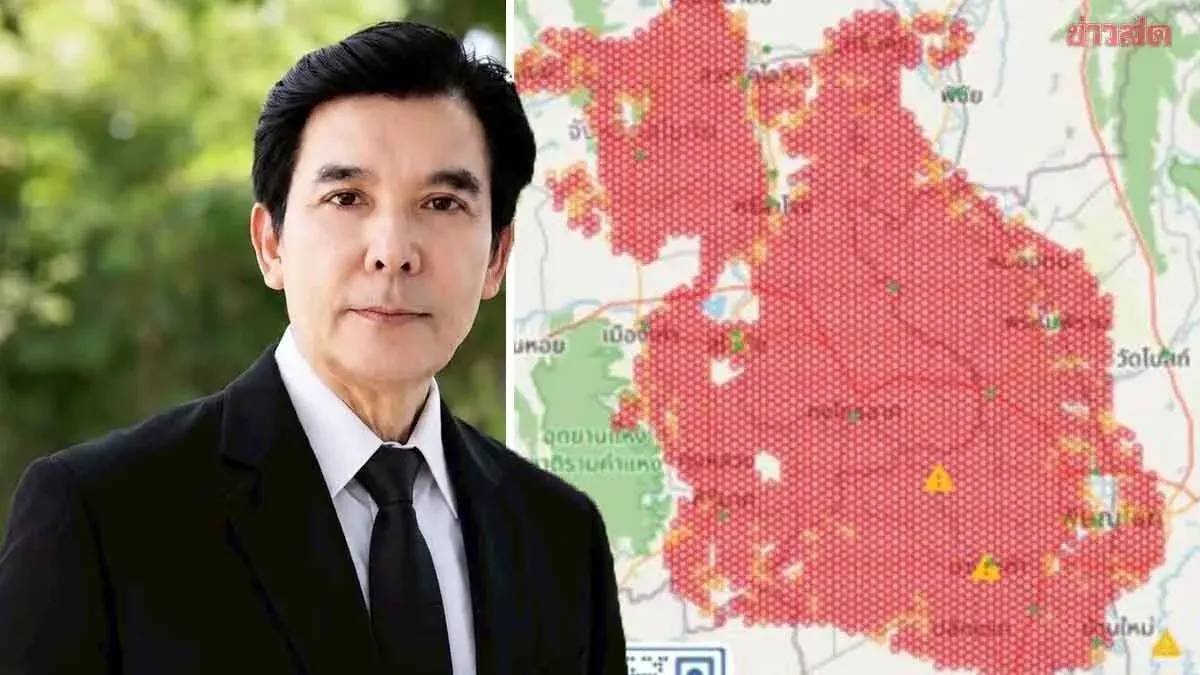
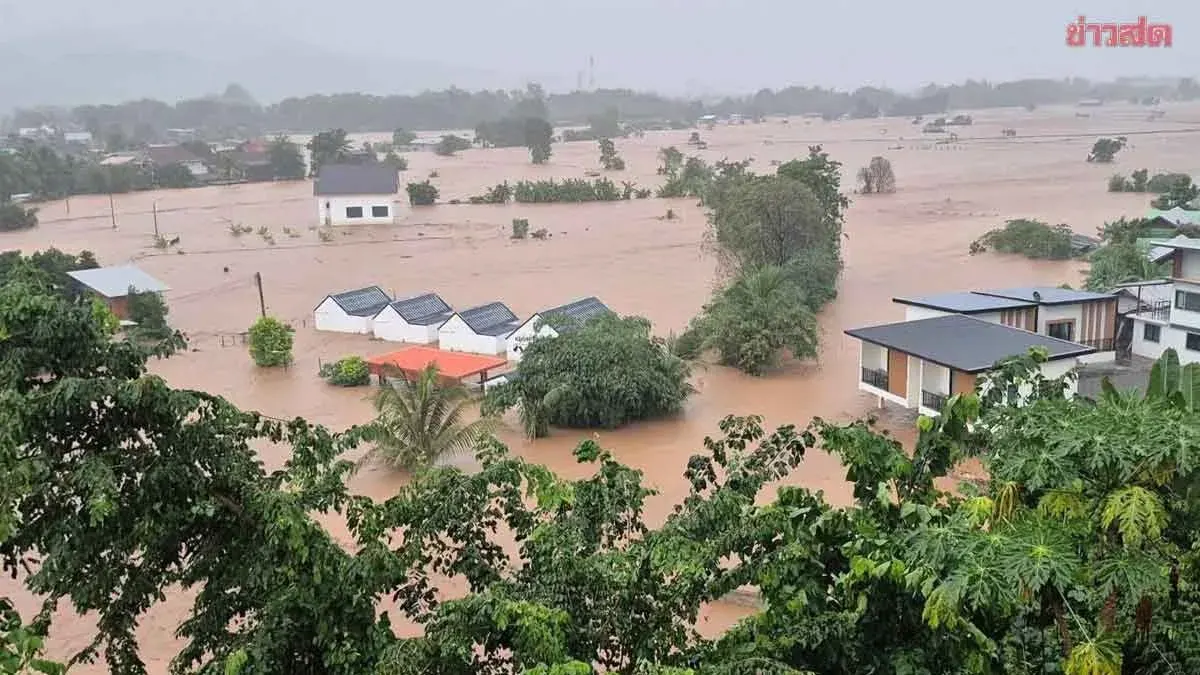
On August 22, Prom Porn Nopruetthi, former spokesman of the Pheu Thai Party, addressed the flooding situation in Nan province, noting that although many areas are entering recovery, residents remain in distress. Homes, roads, vehicles, agricultural land, and shops have sustained damage, with three deaths reported. He stressed the need to accelerate both relief and recovery so residents can return to normal life and livelihoods as quickly as possible, and said the disaster must serve as a lesson for other at-risk areas to prepare before damage occurs.
Satellite data from GISTDA on August 21 at 09:29 identified high-risk areas across river basins in Sukhothai, Phichit, and nearby regions, covering more than 3,900 square kilometers. The Disaster Prevention and Mitigation Department was instructed to closely monitor Uttaradit, Sukhothai, and Phichit. Prom Porn called for three urgent government actions:
1. Sustained assistance in Nan: Relief must not diminish as floodwaters recede. Authorities must aggressively survey and repair homes, shops, roads, utilities, and farmland, while managing mud, waste, and public health risks. Documentation procedures should be streamlined, and low-interest debt relief and loans should be considered for farmers, business owners, and affected families. Rather than requiring flood victims to chase paperwork across multiple agencies, the system should bring services to the people.
2. Preparation in the three northern provinces: When GISTDA data identifies at-risk areas, the state must act before flooding occurs. Provincial and local authorities must map water channels, identify vulnerable locations, prepare evacuation routes, and locate homes of elderly, ill, and disabled residents. Pumps, vehicles, boats, food, medicine, and shelters must be pre-positioned. Early warnings must reach villagers before water arrives, clearly explaining which areas are at risk, when to evacuate, where to go, and whom to contact. Warnings should allow residents time to secure belongings and move families to safety.
3. Information reaching people before water reaches homes: While the government has established coordination centers and deployed multiple agencies, success depends not on how much data exists or how many centers are set up, but on how quickly that data is converted into action. All agencies must use the same information and clearly know their responsibilities. Local community knowledge is vital—residents know best where water flows fastest, which homes shelter vulnerable groups, and which evacuation routes actually work. Satellite data is most valuable when it reaches field staff and warnings reach residents before floodwaters arrive.
Prom Porn added that while Nan must focus on recovery, Uttaradit, Sukhothai, Phichit, and other at-risk areas must prepare. Flooding cannot be stopped, but losses can be reduced with early knowledge and timely warnings. Water management success is not measured by the number of data sets or coordination centers, but by whether information reaches the public in time, how quickly people receive help, and how much loss is actually prevented.