Thailand Needs Economic Stimulus, Not Cash Handouts, Says Think Tank
Thailand's economy needs sustained stimulus focused on structural development rather than cash handouts that create voter dependency, argues a top think tank researcher who warns the nation risks being trapped in an endless cycle of populis
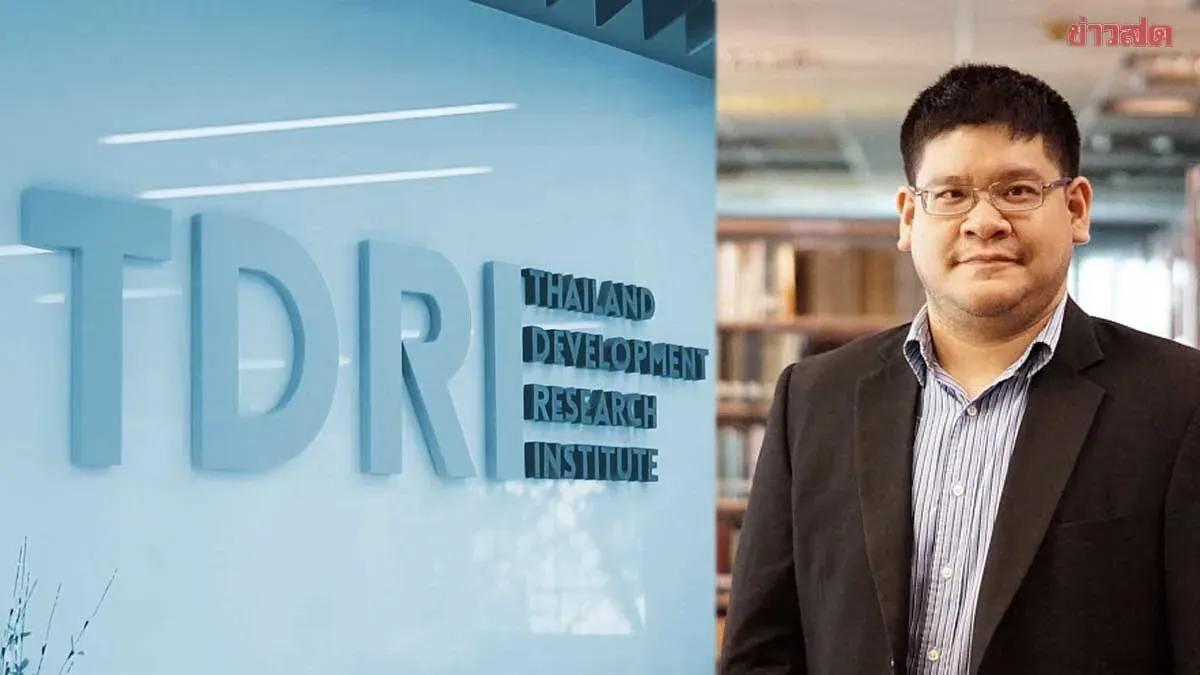
Thailand's economy needs ongoing stimulus to maintain momentum, but not through cash distribution schemes that leave the nation underdeveloped and the public trapped in cycles of dependency. The focus must shift from quick wins to sustainable real wins that build genuine strength. Narrit Pisalybut, senior scholar at the Thailand Development Research Institute (TDRI), said Thailand's economic direction for the rest of 2025 still requires stimulus to keep growth moving forward—but cash handouts cannot be the answer. Any state cash-distribution measures must be strictly short-term only, because Thailand currently lacks the fiscal capacity to sustain long-term cash-driven stimulus policies. Continuing such an approach threatens national stability, especially given the current social risk of falling into a populist-dependency trap with no clear exit. This cycle is driven primarily by political cycles and fails to genuinely improve living standards.
Narrit warned that the cycle of dependency is the most dangerous trap of our era. If citizens continue accepting cash handouts and voting for parties that emphasize such policies, the nation will never develop real capability, and people will remain locked in an endless loop waiting for the next payment. The only way out depends mainly on public choice: citizens must elect leaders and parties committed to development policies that strengthen people and businesses, teaching them to fish rather than handing them free fish. This long-term approach leads to genuine progress, self-reliance, and capability—the heart of democratic governance. Success depends on the quality and true judgment of the people.
On stimulus measures that can drive long-term national development, Narrit outlined four economic pillars aligned with global trends (demand-side strategy) rather than relying solely on massive traditional projects: (1) transitioning to clean, environment-friendly energy—critical as Middle Eastern conflicts disrupt global energy structures, requiring Thailand to upgrade production processes to international standards to compete globally, especially with Europe's strong sustainability focus; (2) artificial intelligence, big data, and data centers—where the goal is not just attracting investment but localizing technology so Thai people and businesses can enter global tech supply chains; (3) disaster management to address long-term flooding and drought problems; and (4) medical hubs, where Thailand already has global reputation.
Narrit stressed that the crucial shift now is moving from quick-win thinking to real wins for sustainable victory. Both government and political parties must abandon irresponsible short-term populist policies like indiscriminate cash giveaways designed to boost daily consumer spending. The effectiveness of old-style stimulus—co-payment models and cash distributions—is continuously declining in economic multiplier impact. During economic slowdowns, most citizens become cautious about spending and save money instead, making such injections increasingly inefficient.