US-Iran Conflict Escalates Amid Khamenei's Funeral
The US conducted strikes on 90 Iranian military targets as tensions escalate following the funeral of Supreme Leader Ayatollah Khamenei, who died in a late-February attack. Iran retaliated with strikes on US positions across the region, pro
BBC reported on July 10 that tensions in the Middle East continue to escalate as the United States and Iran persist in their confrontation. The US military conducted strikes on 90 military targets, including air defense systems and military infrastructure along Iran's coastline.
Iran retaliated by targeting US positions in Kuwait, Bahrain, and Qatar in response to previous attacks. Additional strikes followed in Kuwait, Jordan, Iraq, and near a nuclear power plant in Bushehr.
Observers report that the number of vessels transiting the Strait of Hormuz has declined significantly amid concerns that oil and fuel prices could spike again.
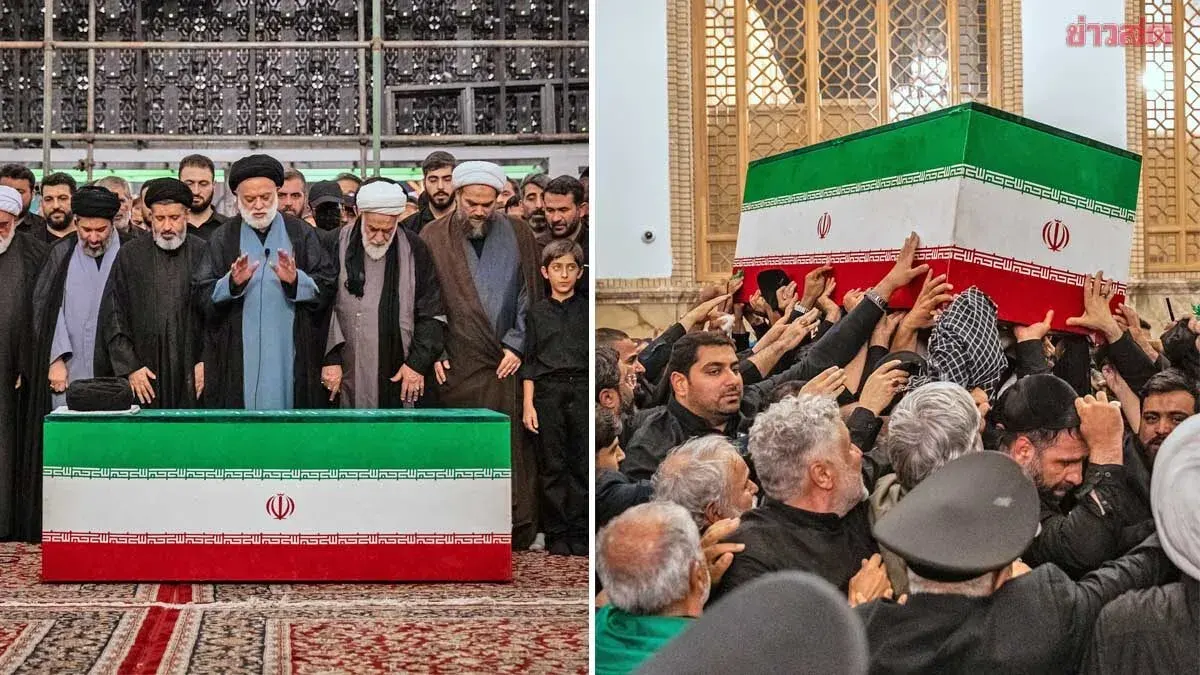
Large crowds gathered for the funeral of Ayatollah Ali Khamenei, Iran's late Supreme Leader who died in an attack in late February. State television reported that "the body of the leader of the Islamic Revolution was buried at the Imam Reza Shrine."
The coffin, draped in the national flag, was moved into the Imam Reza Shrine in Mashhad in northeastern Iran, Khamenei's birthplace. However, Ayatollah Mojtaba Khamenei, his son and successor to the position of Supreme Leader, was notably absent from public view. He has not appeared publicly since reports that he suffered severe injuries from the same attack that killed his father.
Iran's Foreign Ministry condemned the latest US strikes as a "serious war crime," emphasizing that the US government is "evil and corrupt." Iran's Health Ministry reported 14 deaths and 78 injuries across five provinces.
Mohammad Bagher Ghalibaf, Iran's parliamentary speaker and head of negotiations with the US, posted on X that the US continues to fail to understand that threats and broken promises have consequences. "Let me be clear: if you attack, you will be attacked," he stated, adding that the Strait of Hormuz will only open when Iran agrees, not through US threats.