Visiting Highland Karen Elders in Doi Tao Village
The Karen Poi Plong people of Lai Kaew village in Chiang Mai's highlands have maintained their traditional ways for generations despite modernization bringing roads, motorcycles, and cash economies to their once-isolated community. Village
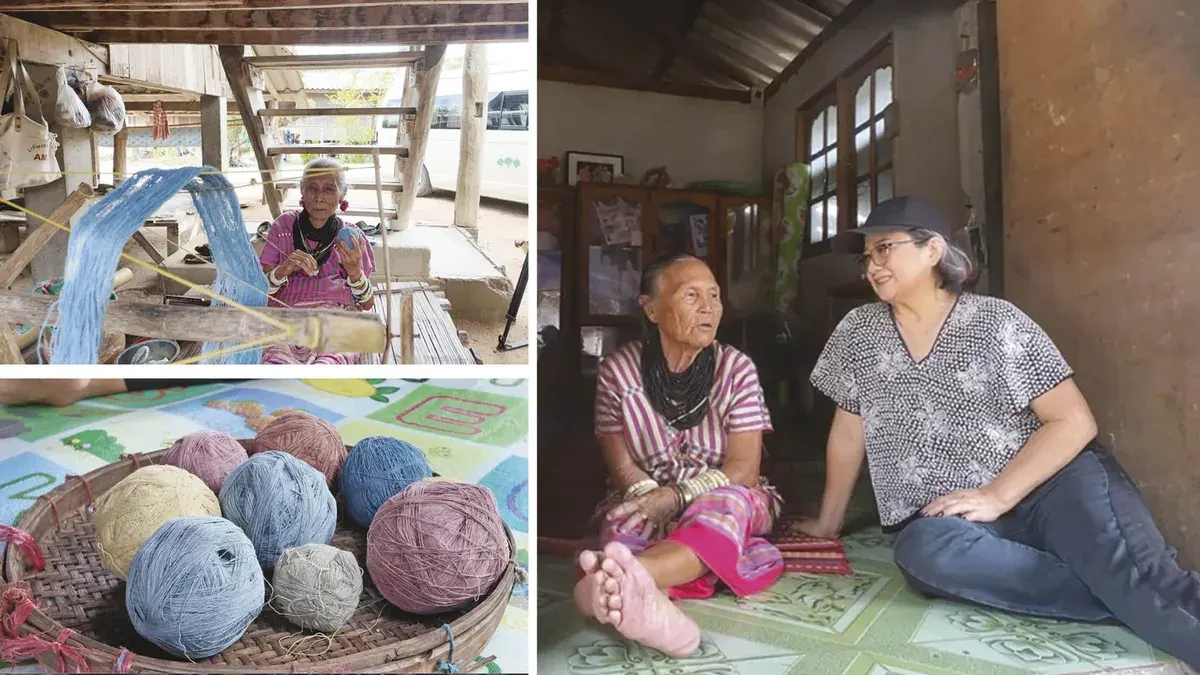
Leaving the congested streets of Chiang Mai, winding gray roads lead to Lai Kaew village in Doi Tao District, Chiang Mai Province. Towering mountains evoke memories of highland ethnic communities who once lived self-sufficiently through rice farming and natural resources in traditional ways. Stories tell of self-reliant settlements supporting people displaced from their original settlements. As communities relocated to reservoir edges, they found others already living there. Various ethnic groups historically inhabited the forest border between Tak and Chiang Mai provinces. The Karen Poi Plong people of Lai Kaew claim they never migrated from elsewhere but have lived here for generations. Yet they witnessed other communities flee unexpected flooding sixty years ago—something unimaginable at the time. Vivid memories from those who lived through it survive among elders aged 70-80. Today, improved roads, motorcycles, cars, and vans have reached the community, transforming traditional self-reliant economics into cash-dependent systems. The highlands are no longer isolated from the outside world. Residents adapting across generations now seek opportunities, capital, education, and personal development in the modern era. Entering Lai Kaew village feels dreamlike—a blend of traditional Karen Poi Plong heritage from sixty years ago mixed with efforts to adapt to contemporary life. The village is quiet, with occasional motorcycle engines cutting through the wind. Under elevated wooden houses, wooden cradles sway while elderly residents sit chewing betel nut and gossip about whose motorcycle just passed. A transistor radio hums from another house. Women aged 70-80 astound visitors wearing traditional Karen Poi Plong dress—zigzag patterned graphic shirts and intricately patterned indigo skirts in beautiful colors, adorned with dozens of bracelets covering both arms, shoulder bracelets, silver and brass bracelets with dangling charms like those popular among young city women. Some grandmothers wear tattoos of flowers and geometric patterns on their arms and calves, looking remarkably stylish. "Long ago, tattoo artists rarely visited the village," explains 86-year-old Pud Hongkuo while spinning cotton thread into tennis-ball-sized balls for the next weaving stage. "Men would get full-body tattoos, with their legs completely tattooed black like wearing shorts—that was considered cool. After the men finished, women would ask for tattoos too. Usually the artist would do it free since he'd already been paid by the men. It wasn't cheap." Pud isn't fully retired yet, still helping with fabric weaving and making cotton balls despite her eyesight declining. "These days I don't weave anymore, my eyes aren't good enough."