Restaurant Licenses Hide Bar-Like Venues From Safety Rules
A deadly Bangkok fire has exposed how businesses licensed as restaurants but operating like bars evade stricter entertainment venue rules, creating safety gaps in Thailand's regulatory system.
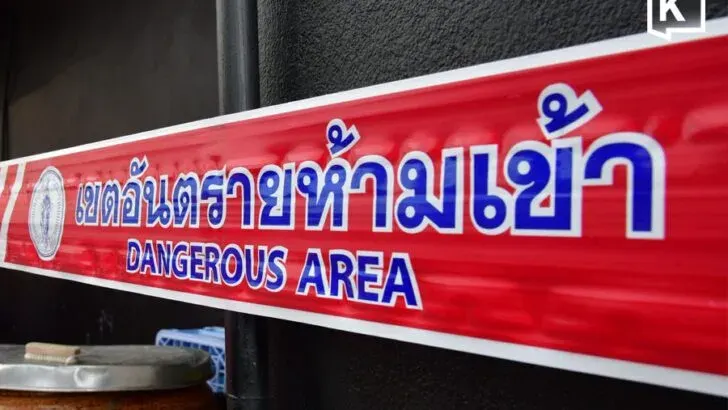
A deadly fire at an entertainment venue in Bangkok's Lat Phrao area has exposed a wider problem in Thailand's regulatory system: many businesses licensed as restaurants now operate much like pubs, bars or entertainment venues, yet remain subject to a different set of rules and a lower level of scrutiny.
Authorities must examine whether the law allows operators to choose licences that are easier and cheaper to obtain, even when the way their businesses operate creates risks similar to those found in licensed entertainment venues.
Under Thai law, restaurants and entertainment venues are treated as separate types of business. Restaurants are regulated under the Public Health Act of 1992, with licences issued by local authorities including the Bangkok Metropolitan Administration, municipalities and subdistrict administrative organisations. Operators must show that their premises meet standards covering sanitation, cleanliness, kitchen facilities, toilets, waste management and building requirements.
Entertainment venues fall under the Entertainment Place Act of 1966. Businesses that operate primarily for entertainment, including venues serving alcohol, hosting live music or performances, or providing space for dancing, must obtain an entertainment venue licence before opening. This process involves several agencies—administrative officials, police, city planning authorities and safety inspectors—and venues are restricted to officially designated areas.
As a result, opening a licensed entertainment venue is far more complicated than opening a restaurant. The rules are stricter, the locations are more limited and the approval process is more demanding.
Many restaurant venues have changed considerably in recent years. They now feature stages, live bands, DJs, large sound systems and elaborate lighting, with alcohol often accounting for much of their revenue and customers staying late into the night. In practice, these venues look and operate much like pubs or bars, yet on paper they remain restaurants.
The appeal is straightforward: restaurant licences are generally simpler to obtain, allow businesses to operate in more locations, avoid entertainment-zone restrictions and reduce administrative costs. Operators may then apply separately for permission to use amplified sound and obtain licences to sell alcohol. However, the system does not always bring those approvals together or assess what the business has become as a whole, creating a regulatory blind spot.