Hundreds Protest for Open Flood Gates to Ease Chachoengsao Flooding
Hundreds of residents from Sala Daeng in Chachoengsao protested at a drainage gate, demanding it be opened wider to release floodwaters toward Bangkok’s Nong Chok district. After negotiations, the Royal Irrigation Department agreed to raise the gate by 50 centimeters, alleviating inundation that had affected about 1,800 households. Local officials said the relief was needed as water from Bangkok, Pathum Thani and upstream sources continued to accumulate.
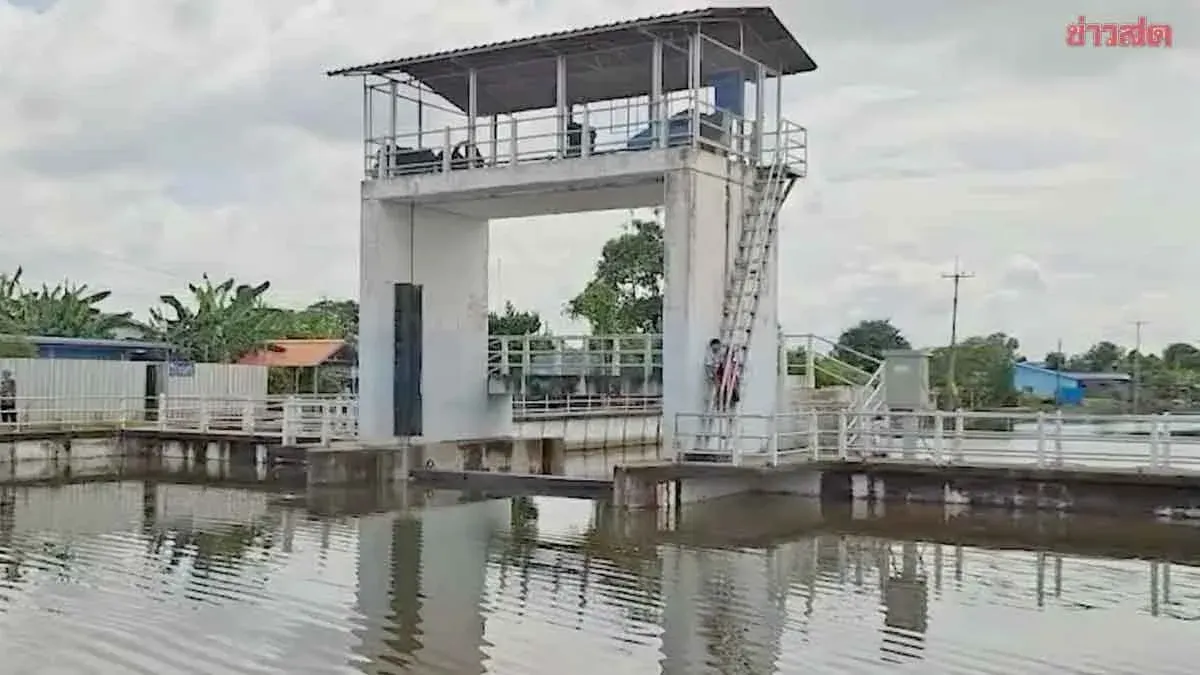
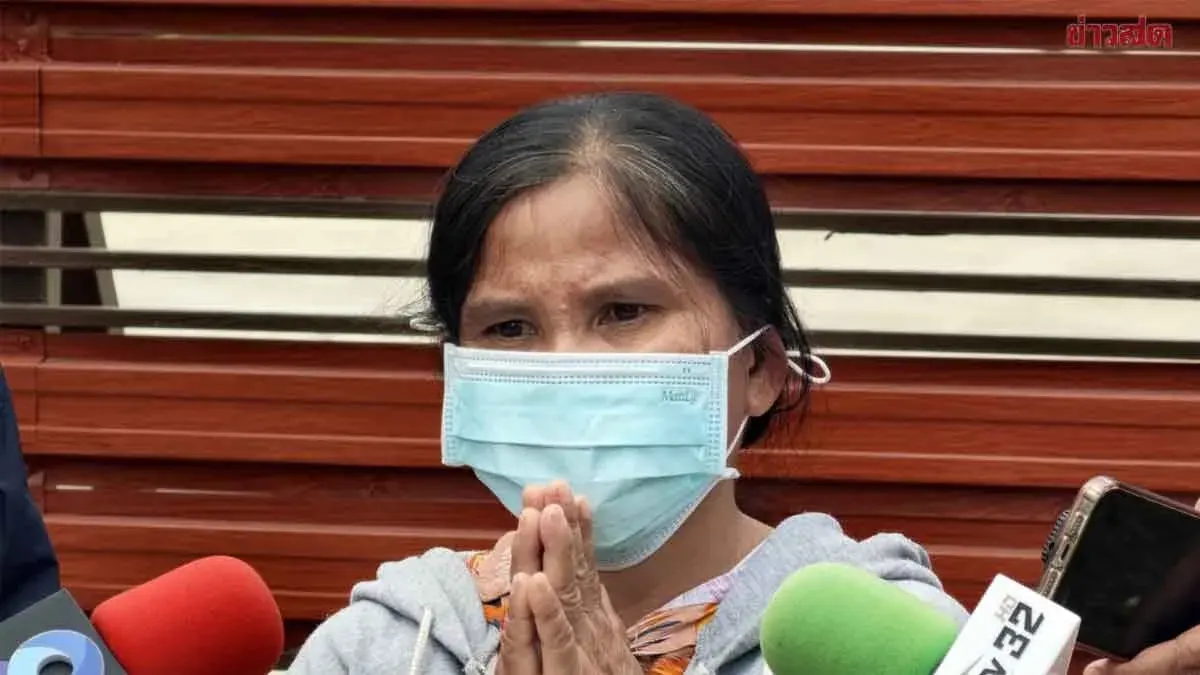
On October 14, 2026, Sala Daeng Subdistrict Mayor Paisal Changplaikaew and Village Headman Chonmsawat Charoenkham led several hundred residents to the Huai Luang Phaeng drainage gate in Moo 13, Sala Daeng, which borders the Huai Luang Phaeng area in Mueang Chachoengsao and Nong Chok district of Bangkok. They demanded the Irrigation Department accelerate drainage of floodwater that had stagnated in Chachoengsao for weeks. Protesters said officials had initially planned to lift the gate only 30 centimeters, which they deemed insufficient, and called for a 50‑centimeter opening to allow water to flow from Chachoengsao toward Nong Chok. After approximately thirty minutes of chanting and demands, officials agreed to raise the gate by 50 centimeters around 1:30 p.m., satisfying the crowd. A 66‑year‑old resident noted that floodwaters had lingered for months, rising daily even without rain, causing foul‑smelling, stagnant water that damaged homes, rendered toilets unusable, and brought in animals, especially hardship for households with disabled members. Mayor Paisal explained that water flowing from Bangkok and Pathum Thani, together with runoff from Nakhon Nayok and various irrigation canals, had accumulated in the area, while high water levels in the Bang Pakong River and seawater inflow hampered outflow. He added that cooperation from Bangkok authorities to open additional channels via the Dad Canal was needed to relieve the situation. About 1,800 households in Sala Daeng were affected by the flooding.