BRICS Leaders Condemn Unilateral Sanctions, Warn of Middle East Tensions
BRICS leaders condemned unilateral sanctions and warned of Middle East tensions at their New Delhi summit, with Iranian participation highlighting concerns over attacks on nuclear facilities.
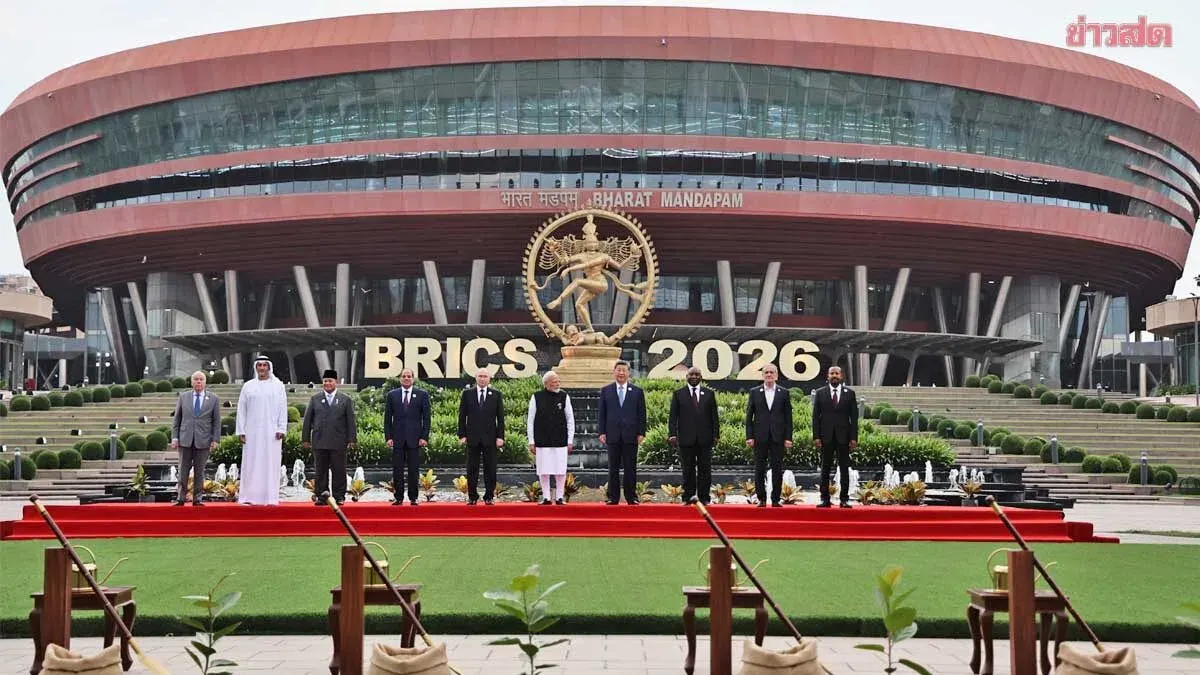
The BRICS group—comprising Brazil, Russia, India, China, and South Africa—expressed concern over escalating Middle East tensions and condemned unauthorized international sanctions during the 18th BRICS summit in New Delhi, India on September 13. Iranian President Masoud Pezeshkian participated in the meeting, where leaders voiced alarm about deliberate attacks on civilian infrastructure and peaceful nuclear facilities under International Atomic Energy Agency protection, stating that nuclear safety and security must be protected during armed conflicts. This statement was widely interpreted as indirect criticism of the United States and Israel's role in attacks on Iran's nuclear facilities.
Meeting participants condemned unilateral sanctions not approved by the UN Security Council. Although no countries were named, Russia—a founding BRICS member—faces Western sanctions due to its full-scale invasion of Ukraine in 2022. The joint statement declared: "We call for the cancellation of unlawful measures that undermine international law, including the principles and purposes of the UN Charter."
Indian Prime Minister Narendra Modi sought to ease concerns that BRICS was designed as a counter to Western-led alliances, stating "BRICS does not aim to oppose anyone." He emphasized that BRICS has entered a period of full growth in which Global South nations must develop roles as rulemakers in global governance systems. Modi also proposed establishing a BRICS crew network to strengthen the safety and welfare of maritime workers, particularly as disruptions to sea trade from Iran-related conflicts have increased risks to seafarers.