Culture Ministry Promotes Five End‑of‑Lent Traditions to Boost Tourism
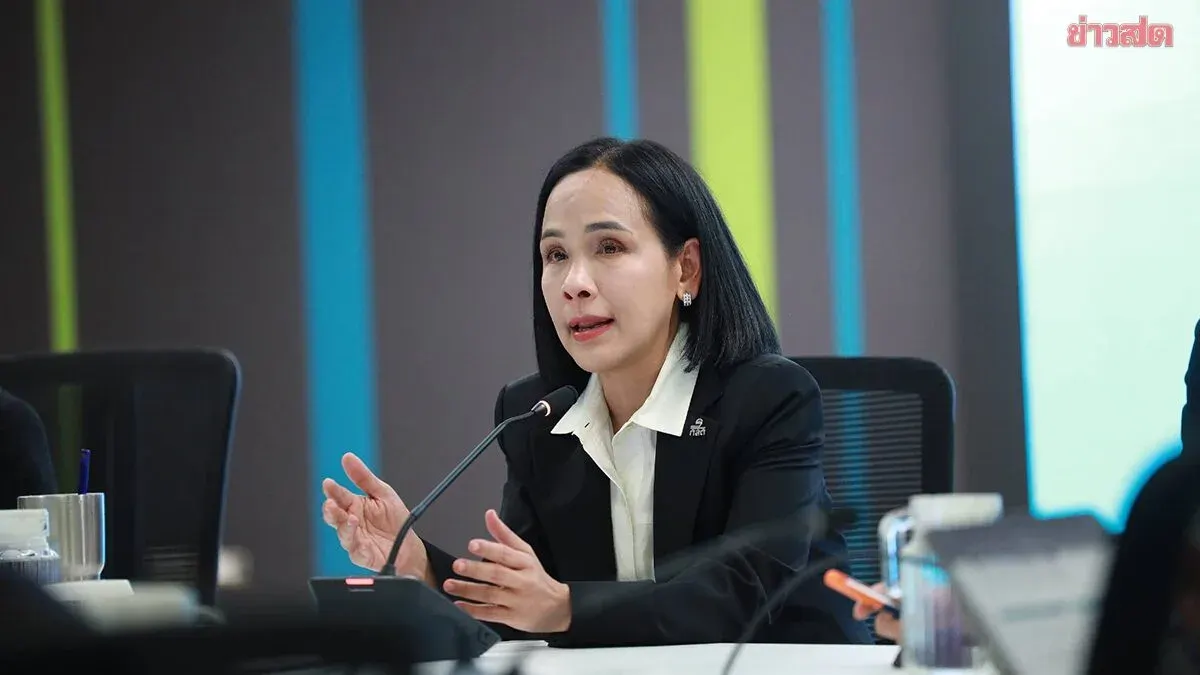
The Ministry of Culture is promoting five regional end‑of‑Buddhist Lent traditions across Thailand from October 16‑31, 2026, to preserve cultural heritage and stimulate local tourism. Events include merit‑making ceremonies, boat races, bee‑castle offerings, and almsgiving processions in Bangkok, Surat Thani, Uthai Thani, and Kalasin. Minister Sabieda Thai‑set said the activities reflect local lifestyles and provide opportunities for merit‑making and community income.
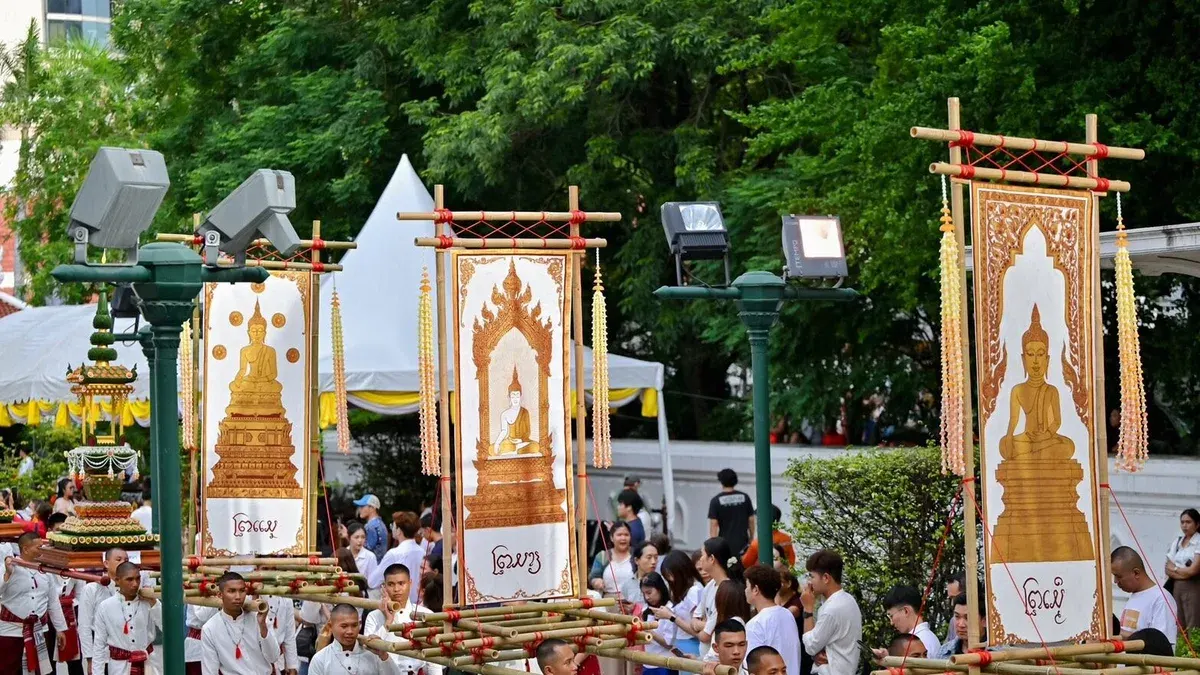
Minister of Culture Sabieda Thai‑set announced that the Ministry, through the Department of Religion, is encouraging Buddhists and the general public to join activities marking the annual end‑of‑Buddhist Lent festival in 2026. Five highlighted traditions will be held between October 16 and 31: the 61st Merit‑making Tak Nakkua Salag (Salapat) ceremony at Wat Benjamabophit in Bangkok, featuring a parade of Salag trees from the First Army Region and northern cultural performances; the Tak Phra, Thot Phapa and long‑boat race in Surat Thani along the Tapi River, including Buddhist chanting, boat processions, almsgiving, phapa contests, exhibitions and boat races; the offering of bee‑castle (prasat phung) for Buddhist worship at Wat Pathum Wanaram in Bangkok, with a parade from the Bangkok Art and Culture Centre, a worship ceremony and cultural shows; the Tak Bat Tevarohana merit‑making event in Uthai Thani at Wat Sangkasrattanakiri and the five‑way radio intersection, presenting a light‑sound spectacle, a Buddha‑history procession, almsgiving of rice, dry food and floating rice balls, plus local cultural activities; and the Ok Phansa Tak Bat Tevarohana “Following Merit, Warm Heart” festival in Kalasin at Wat Phutthawas Phu Sing, comprising Tak Bat Tevarohana, paying respect to sacred items, demonstrations of local wisdom, an exhibition on the tradition, and a market for community‑produced goods from virtuous villages. The minister emphasized that each tradition reflects local lifestyles and offers opportunities for merit‑making, cultural learning and community income.