Education Minister Establishes Subdistrict School Board Network
Thailand's Education Minister unveiled plans to establish subdistrict-level school board networks to improve resource sharing and educational quality, with formal implementation expected by October following PISA results showing the country

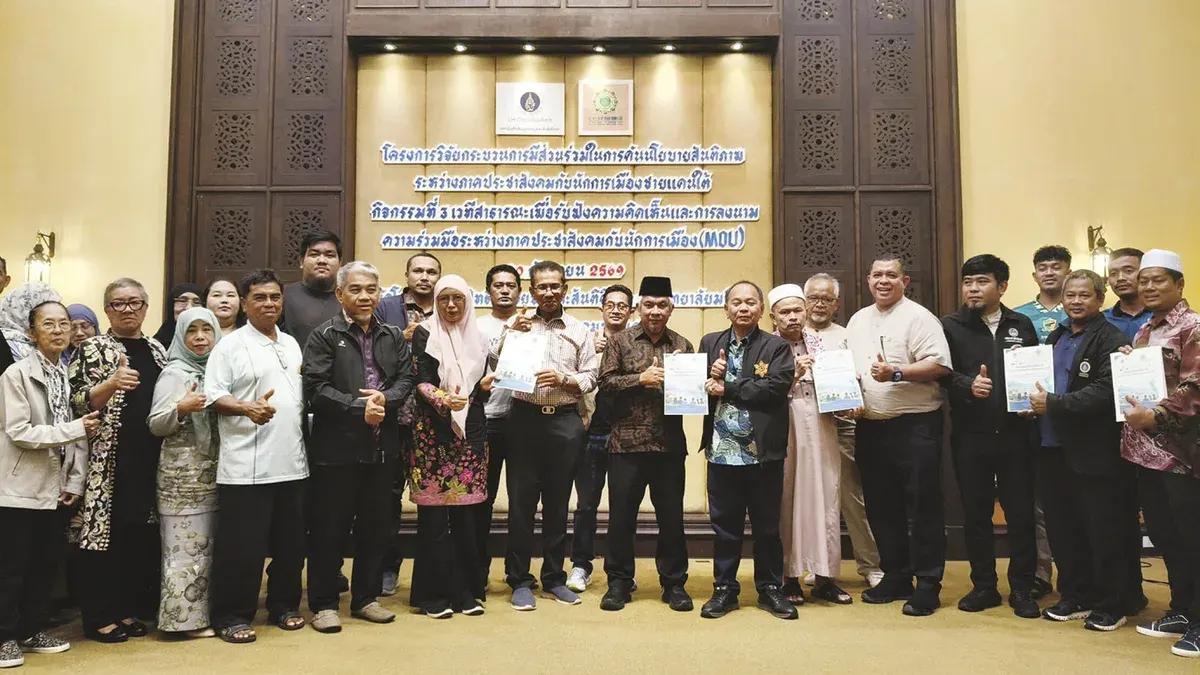
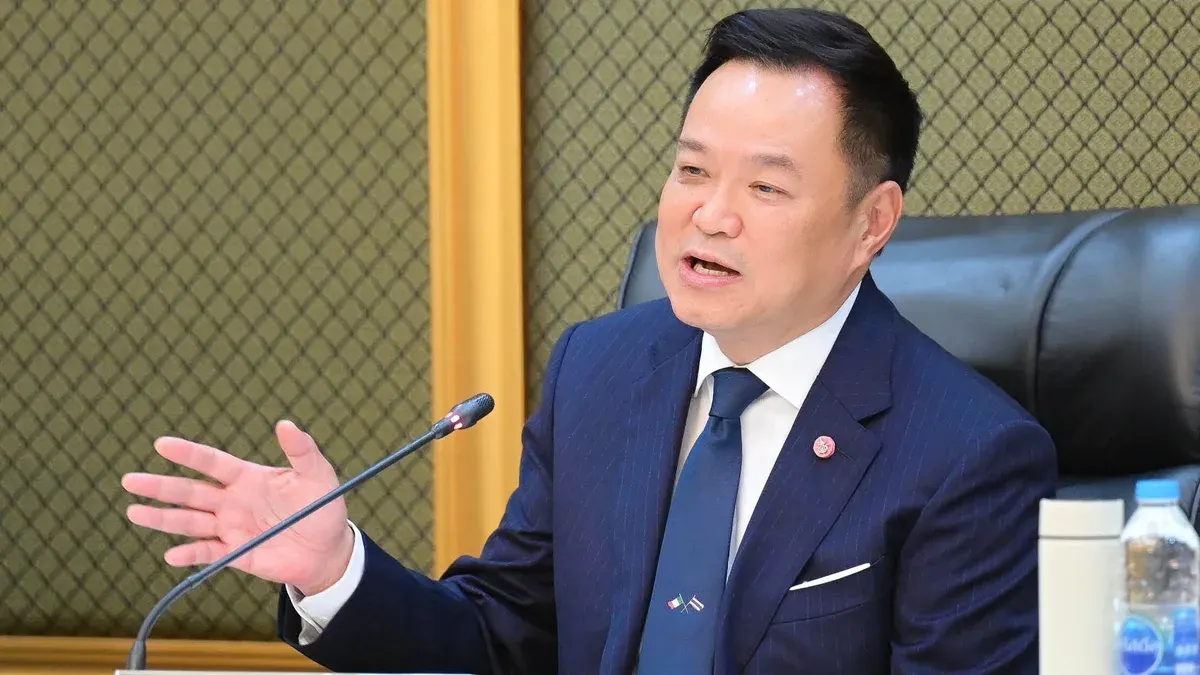
Education Minister Prasert Chantarwangtong chaired a workshop titled 'School Board Power: Elevating Thai Schools Nationwide—Northern Region' on September 20 at Khum Phoo Kham Hotel in Chiang Mai, bringing together senior ministry officials, school board representatives, and related agencies.
Chantarwangtong emphasized the importance of collaboration between school principals, district education officers, and school boards as a critical mechanism for driving and improving educational quality in each area. He said the ministry seeks to strengthen this framework so stakeholders can jointly address challenges and develop education efficiently.
Improving educational quality requires participation from all sectors, he noted, pointing to Thailand's PISA 2025 results. Although Thailand's ranking rose to 53rd place, mathematics, science, and reading scores—along with other indicators—remain below OECD standards, presenting an urgent challenge that demands mobilizing all stakeholders to advance Thai education and prepare learners for a changing world.
However, the educational landscape is shifting dramatically, particularly with falling birth rates and improved transportation between villages. This prompted the concept of establishing subdistrict-level school board networks. Previously, school boards worked within individual school boundaries, potentially limiting resource integration and coordination across areas.
"I want to consolidate efforts at the subdistrict level to enable shared resource use and more efficient implementation of policies," Chantarwangtong said. A formal announcement establishing subdistrict school boards is being drafted and is expected to be completed by October to enable concrete action.
Subdistrict-level coordination will provide clearer oversight of local education management, particularly for small schools—decisions that each area must make jointly to ensure quality and cost-effective resource use. The network will allow all stakeholders to discuss and coordinate approaches to local education management.
Initially, subdistrict school boards will be chaired by local government leaders elected by residents, linking educational management more closely with communities and residents' quality of life.
On budget allocation, Chantarwangtong reported that a revised per-capita distribution formula has been completed and is being submitted to the cabinet for approval. The new formula will tailor allocations to local conditions, enhancing educational opportunities—particularly for small schools that may receive increased funding to create opportunity and overcome resource constraints.