Ex-Court Chief Calls Senate Self-Selection System Constitutional Flaw
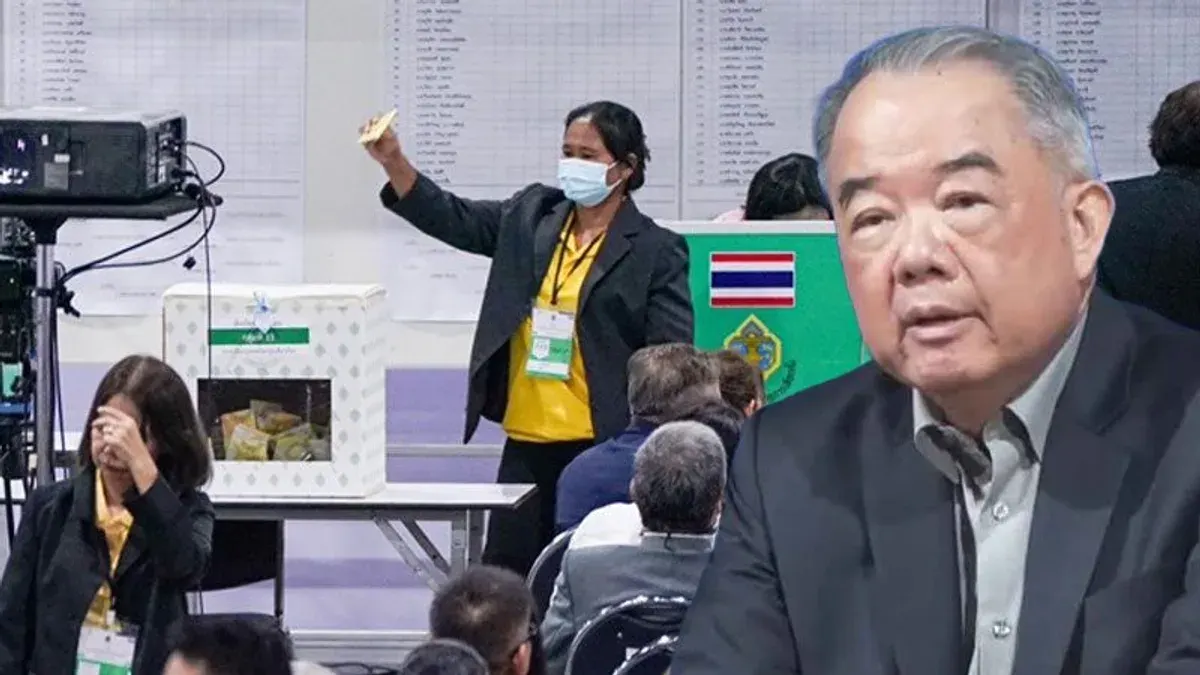
Former Constitutional Court chief Norin Mekhtrairat criticized Thailand's Senate self-selection system as a fundamental constitutional flaw, revealing that even the 2017 Constitution's drafters admitted it was their greatest mistake. He war
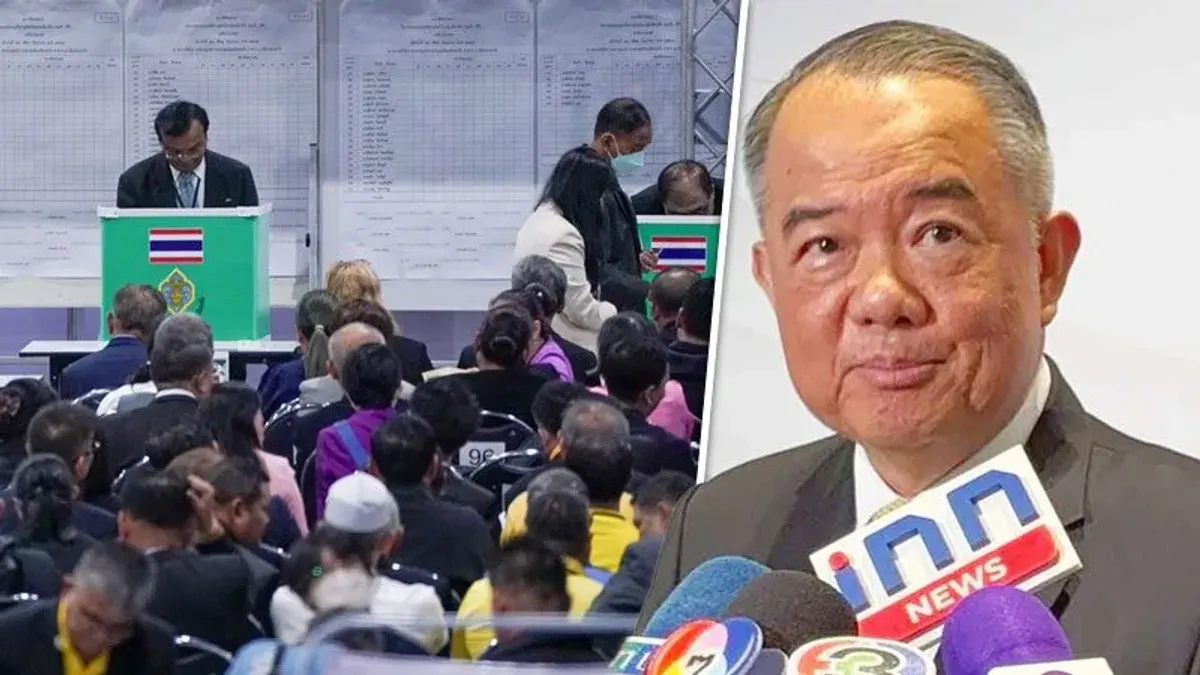
Former Constitutional Court President Norin Mekhtrairat spoke forcefully and pointedly at a government forum, criticizing not as an outsider but as a former leader of an institution central to constitutional problems. He specifically identified the Senate's self-selection system as a major "flaw" in the 2017 Constitution—not a minor mistake but a system Thailand designed and uses alone, with no precedent elsewhere. When the Senate's origin is not directly connected to the people, questions of legitimacy inevitably follow. Strikingly, Norin revealed that he once heard directly from the 2017 Constitution's drafting committee chair that the Senate selection system was the greatest mistake of the entire constitutional drafting effort. The natural response is: if the designers themselves admit error, why must the country remain bound by these rules? A constitution is not sacred and untouchable; if flawed rules create problems, they must be fixed rather than imposing the burden on citizens. The problem deepens when viewing Thailand's political history since the 1997 Constitution. The country has repeatedly changed the political rules, like constantly adding to, demolishing, and renovating a house without end, never agreeing on what the basic structure should be. The result is a political system filled with complex, overlapping rules—electoral rules, House selection, Senate selection, government formation, party dissolution, and independent agency appointments. Many issues perplex Thais; how can foreigners understand them? More concerning is that public trust in the political system and elections remains at a low level. Yet despite the public voting to approve a new constitution, the process remains stuck in both legal and political gridlock. This is not merely a Senate problem but a larger crisis of rule legitimacy. When rules lack acceptance, confidence erodes and frustration builds. When people want change but see no clear path, hope may explode in unpredictable forms. Norin was right that the constitution must belong to all sides, not to one faction. The question is not who wins under these rules, but what does the nation gain from rules that even their architects admit are flawed? Is it time for Thailand to stop resignedly accepting past mistakes and instead bravely reform these rules to be fair to all citizens? Because if mistakes are known yet unfixed, one day the problem may extend beyond the constitution to the entire system losing all credibility. That would be the most dangerous time bomb of all.