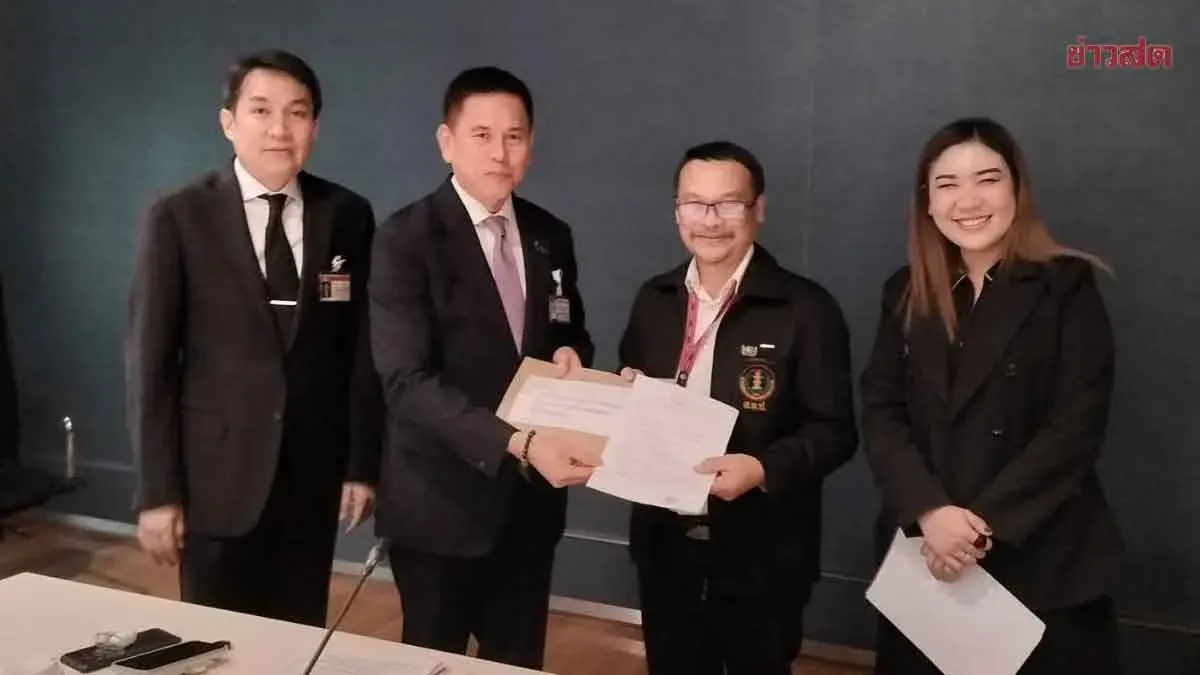
Rajvithi Hospital Performs First Nerve Stimulation Surgery for Sleep Apnea
Rajvithi Hospital performed Thailand's first hypoglossal nerve stimulation implant surgery in the public health system to treat obstructive sleep apnea, offering an alternative for patients who cannot tolerate standard CPAP therapy.
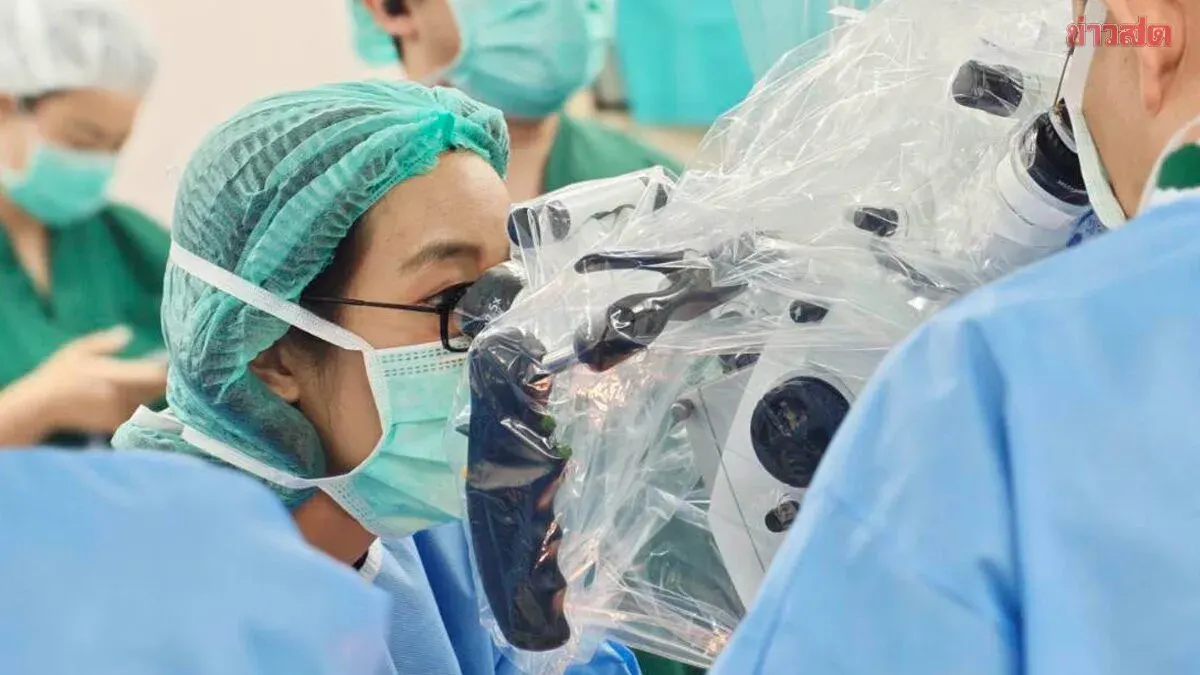
Rajvithi Hospital has successfully completed its first hypoglossal nerve stimulation implant surgery to treat obstructive sleep apnea (OSA), marking the first such procedure in Thailand's public health system on September 23, 2026.
Deputy Director-General of the Medical Department Sakan Bunnag explained that obstructive sleep apnea occurs when the upper airway narrows or collapses repeatedly during sleep, reducing or stopping airflow to the lungs in cycles. Patients may experience loud snoring, breathing pauses, gasping, choking, or sudden nighttime awakenings; unrefreshed mornings; morning headaches; excessive daytime sleepiness; and reduced concentration and memory. Snoring is not merely a noise disturbance but a warning sign that warrants proper diagnosis. Repeated breathing interruptions lower blood oxygen levels, disrupt sleep quality, and strain the heart and blood vessels. Without appropriate treatment, OSA increases the risk of high blood pressure, arrhythmia, coronary artery disease, stroke, and diabetes.
Obstructive sleep apnea can be treated through multiple approaches tailored to individual patients based on disease severity, obstruction location and pattern, airway structure, comorbidities, and patient suitability and preference. Treatment options include weight control and sleep behavior modification, sleep position adjustment, CPAP machines, dental devices to advance the lower jaw, and surgical procedures to correct obstruction in the nose, soft palate, tonsils, tongue base, and facial or jaw structures. CPAP remains the standard, highly effective treatment. However, some patients cannot use CPAP consistently despite mask adjustments, pressure settings, and troubleshooting. Hypoglossal nerve stimulation (HGNS) offers an alternative for eligible patients meeting specific criteria.
Hospital Director Chinda Rojanmethin explained that hypoglossal nerve stimulation involves implanting a small electronic device under the chest skin, connected to electrode leads that stimulate the twelfth cranial nerve, which controls tongue movement, working in concert with a breathing effort sensor. When activated during sleep, the system detects breathing rhythm and delivers low-level electrical stimulation synchronized with inspiration to stimulate muscles that move the tongue forward and maintain airway patency. Physicians can adjust stimulation settings to match the patient's anatomy, response, and comfort after wound healing and activation. Patients use a remote control to turn the device on before sleep, off upon waking, temporarily stop it, and adjust stimulation within doctor-set parameters.
Post-surgery follow-up includes device activation, stimulation adjustment, and treatment assessment via sleep studies as planned. HGNS is an option for moderate to severe obstructive sleep apnea patients meeting evaluation criteria, particularly those with CPAP limitations or inadequate disease control despite optimized adjustments. It eliminates the need to wear a mask or breathing tube during sleep.