Rare Genetic Disorder Found in Chronic Cough Patient
A pulmonologist at Mahachai Hospital diagnosed a Bangladeshi migrant worker with Kartagener syndrome, a rare genetic disorder affecting 1 in 30,000 people, after discovering his heart was on the right side during a routine check for chronic cough. The condition causes abnormal cilia function, leading to chronic sinusitis, bronchiectasis, and infertility. While incurable, symptoms can be managed with physiotherapy, antibiotics, and assisted reproductive technology for those seeking children.
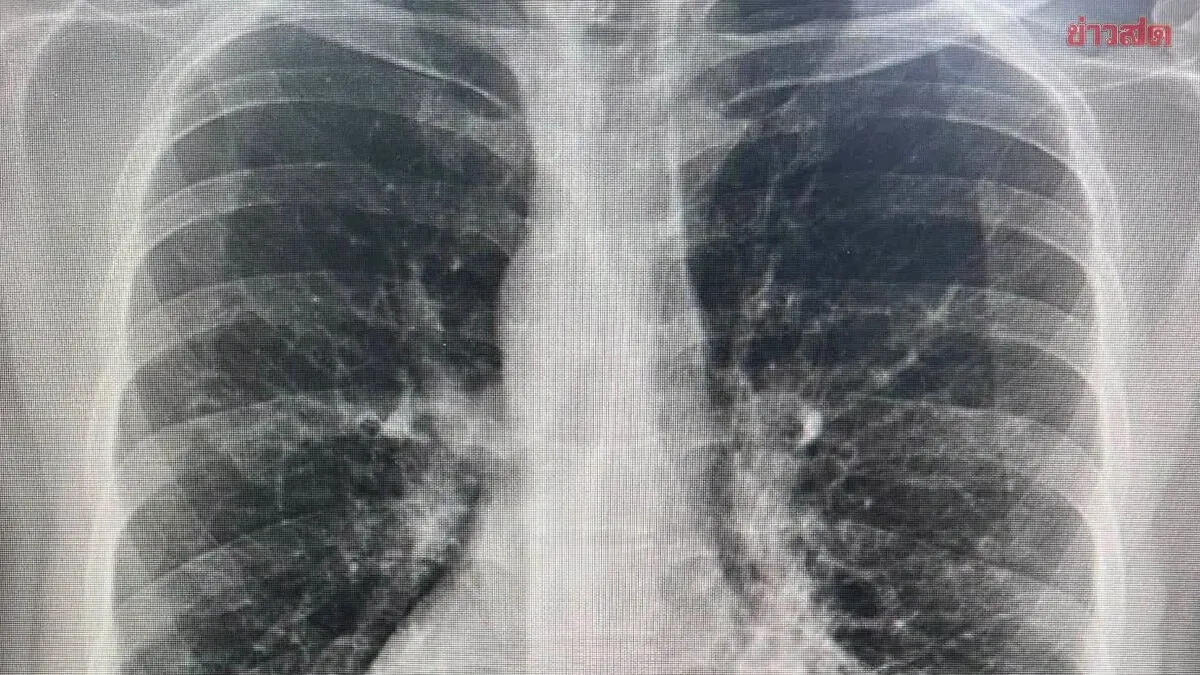
Dr. Purin Hassarasri, a pulmonologist at Mahachai Hospital, posted about an intriguing case on November 6, 2026. A Bangladeshi man visited the social security clinic complaining of chronic productive cough without blood, nasal congestion, and post-nasal drip for years, with no weight loss or appetite changes. During physical examination, the doctor was surprised to find the patient's heart sounds on the right side. Chest X-ray and sinus imaging confirmed dextrocardia and genuine sinusitis. Additional history revealed the patient had been married for 10 years without contraception but had no children, prompting suspicion of Kartagener syndrome. Semen analysis showed no sperm, and HRCT chest confirmed bronchiectasis, confirming the diagnosis. The patient also had chronic sinusitis affecting daily life. Regarding fertility, the patient said he was no longer concerned and his wife understood; he wanted to focus on treating the sinusitis first.
Kartagener syndrome is an extremely rare genetic disorder affecting approximately 1 in 30,000 people. It causes abnormal cilia function, affecting the respiratory system and organ placement. The classic triad includes situs inversus (organs mirrored, found in about 50% of primary ciliary dyskinesia patients), chronic sinusitis, and bronchiectasis. Other features include chronic otitis media and infertility — in men, sperm cannot swim; in women, fallopian tube cilia fail to transport eggs. There is currently no cure. Management focuses on symptom control and preventing permanent lung damage through chest physiotherapy, mucolytics, prompt antibiotics for infections, respiratory vaccines, and sometimes sinus surgery or ear tubes. Assisted reproductive technology like ICSI can help patients who wish to have children.
Key takeaway: Chronic cough doesn't always mean common lung disease; it can be the first sign of an underlying genetic disorder. Physical examination remains crucial.