Thailand Launches Disaster Insurance for 30 Million Households
Thailand's government has launched a disaster insurance program that will cover 30 million households nationwide, providing up to 100,000 baht per household for flood, storm, or earthquake damage. The policy takes effect on 1 October 2026 and was announced by Prime Minister Anutin Charnvirakul during a meeting with local officials in Samut Prakan. The initiative aims to shift disaster response from post‑event aid to pre‑emptive risk management and guaranteed compensation.
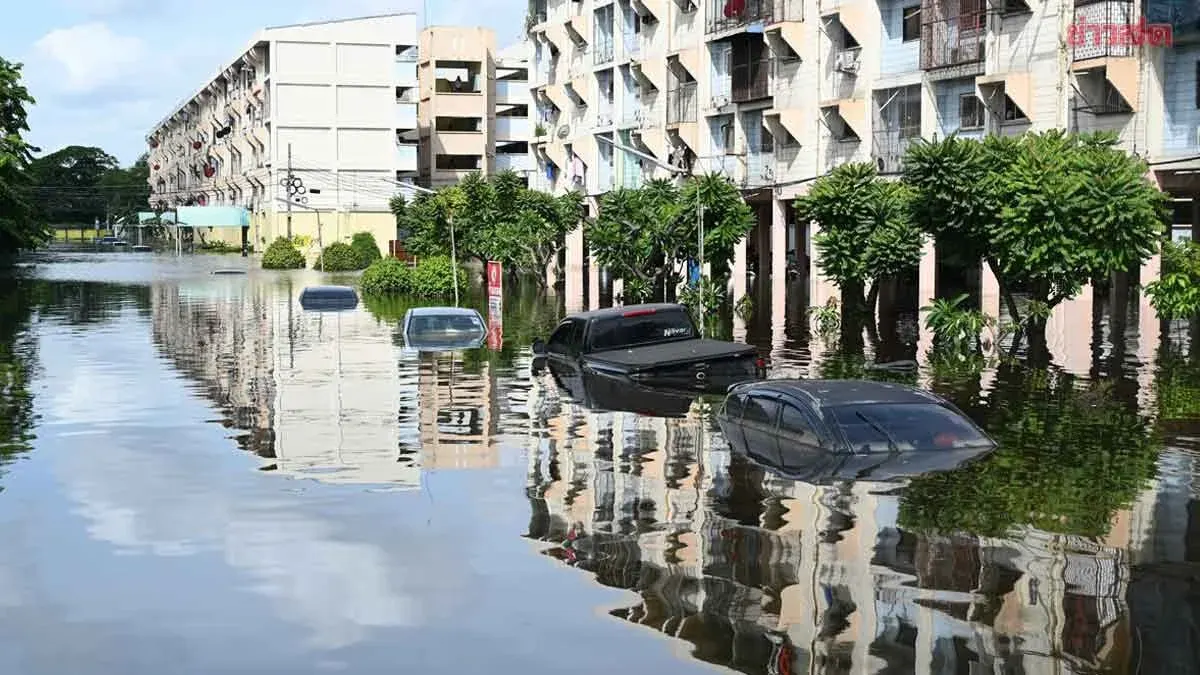
The prime minister said the government has launched a disaster insurance program for the public, marking an important step in raising protection and safeguarding people from disasters. He noted that disasters can occur and directly affect lives, property, homes, and livelihoods, so it is essential not only to provide assistance after an event but also to prepare in advance and create a guarantee system that can offset potential damage. The program is being carried out for all households to strengthen the care mechanism, with the state providing insurance to people so they have a guarantee against possible losses from disasters. The insurance covers three natural disaster types: flood, storm, and earthquake, including damage to residences, loss of life, and total permanent disability. For flood, the initial coverage is 10,000 baht, with additional amounts up to 90,000 baht. For storm and earthquake, the initial coverage is 5,000 baht, with additional amounts up to 95,000 baht. If flood inundation prevents normal living for more than seven days, households receive 10,000 baht per incident. Coverage begins on 1 October 2026 and extends to 30 million households across the country. The prime minister added that the initiative is not merely about issuing insurance policies; it reflects a shift in national disaster management from post‑damage relief to systematic risk management and advance guarantees. When a natural disaster occurs, citizens will have clear entitlements to compensation according to set conditions, helping to alleviate impacts, support home repairs, and restore livelihoods quickly. The scheme also brings insurance mechanisms and private‑sector participation to spread risk, enabling the state to plan for disaster losses and manage national resources more systematically and efficiently. Leading the government as both prime minister and interior minister, he hopes the disaster insurance for the public will become a key mechanism for swift, clear, and systematic relief for disaster victims, enhancing stability in people’s lives so they can recover promptly from disaster impacts.